Guerilla Black occupies a fascinating space in hip-hop history, offering a sound that feels like a cross-continental bridge. His music is defined by a deep, resonant baritone and a rhythmic cadence that is strikingly reminiscent of the Notorious B.I.G., yet his lyrical perspective is firmly rooted in the streets of Compton. The production is quintessential mid-2000s: lush, sample-heavy, and polished, often featuring smooth R&B hooks or infectious dancehall collaborations.
What makes him distinctive is the tension between his West Coast upbringing and his East Coast vocal aesthetic. While many rappers from his era were chasing the emerging trap sound, Black leaned into a classic, heavy-set flow that prioritized storytelling and presence. His ability to slide between aggressive street anthems and radio-ready melodic tracks gives his discography a versatile, high-production feel that captures a very specific moment in rap's commercial peak.
Start with his debut album, Guerilla City. It is the definitive showcase of his range, featuring the massive dancehall-infused hit 'Compton' and the smooth R&B crossover 'You're The One.' It's the perfect entry point for anyone who misses the era of big-budget, cinematic hip-hop albums that felt like events.
Charles Williamson (born 1977), better known by his stage name Guerilla Black, is an American rapper from Compton, California. Born in Chicago, Illinois, he came to fame after releasing his debut album Guerilla City (2004), which featured the singles "Compton" featuring Beenie Man and "You're The One" featuring Mario Winans. Williamson released a track titled "400 Shotz, the Funeral" taking aim at The Game, Jermaine Dupri and Daz Dillinger. His latest mixtape, "The Black Tapes" was released in 2009. It is notable for Williamson's change in rapping style, a change he acknowledges on several tracks. Featured artists on the Mixtape included Hot Dollar, T-Pain, and Akon. He has been both criticized and praised for having a similar voice and delivery to The Notorious B.I.G. and even pays homage to Biggie on his "Real Niggaz Say Real Shit" mixtape, on the track "Letter to B.I.G." Williamson also bears a resemblance to Biggie. He is the brother of rapper Hot Dollar, and both rappers are part of the Dolla Figga hip-hop collective. Williamson has also contributed both his music and performed voice work of the character Dupree in the video game 187 Ride or Die.


Shares gangsta rap, boom bap (subgenres); confident, brooding, defiant (moods)
Shares gangsta rap, boom bap (subgenres); studio polished, sample based, analog warmth (production style)
Shares gangsta rap, boom bap (subgenres); confident, brooding, defiant (moods)
Shares gangsta rap, boom bap (subgenres); studio polished, sample based, analog warmth (production style)
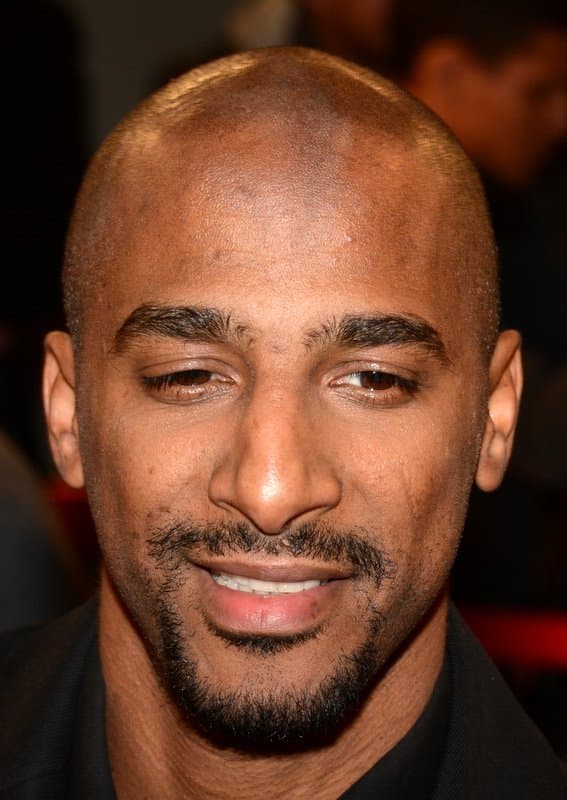
Shares gangsta rap, boom bap, contemporary r&b (subgenres); studio polished, sample based, analog warmth (production style)
Shares confident, brooding, defiant (moods); gangsta rap, boom bap (subgenres)
Shares baritone, rap, gravelly (vocal style); confident, brooding, defiant (moods)
Shares confident, brooding, defiant (moods); gangsta rap, boom bap (subgenres)
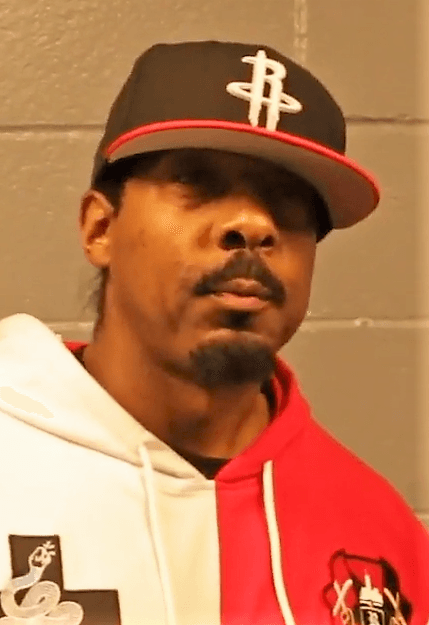
Shares gangsta rap, boom bap (subgenres); studio polished, sample based, analog warmth (production style)
Shares boom bap, gangsta rap (subgenres); urban night, late night, dive bar (atmosphere)
Shares gangsta rap, baritone, boom bap, gravelly (subgenre)
Shares gangsta rap, baritone, turntables, boom bap (subgenre)
Cassette uses generative AI to enrich its catalog. How we use AI →