Henri Texier
Deep, woody double bass grooves meeting North African scales and cinematic folk textures. Earthy, spiritual jazz for long journeys and deep contemplation.
Deep, woody double bass grooves meeting North African scales and cinematic folk textures. Earthy, spiritual jazz for long journeys and deep contemplation.
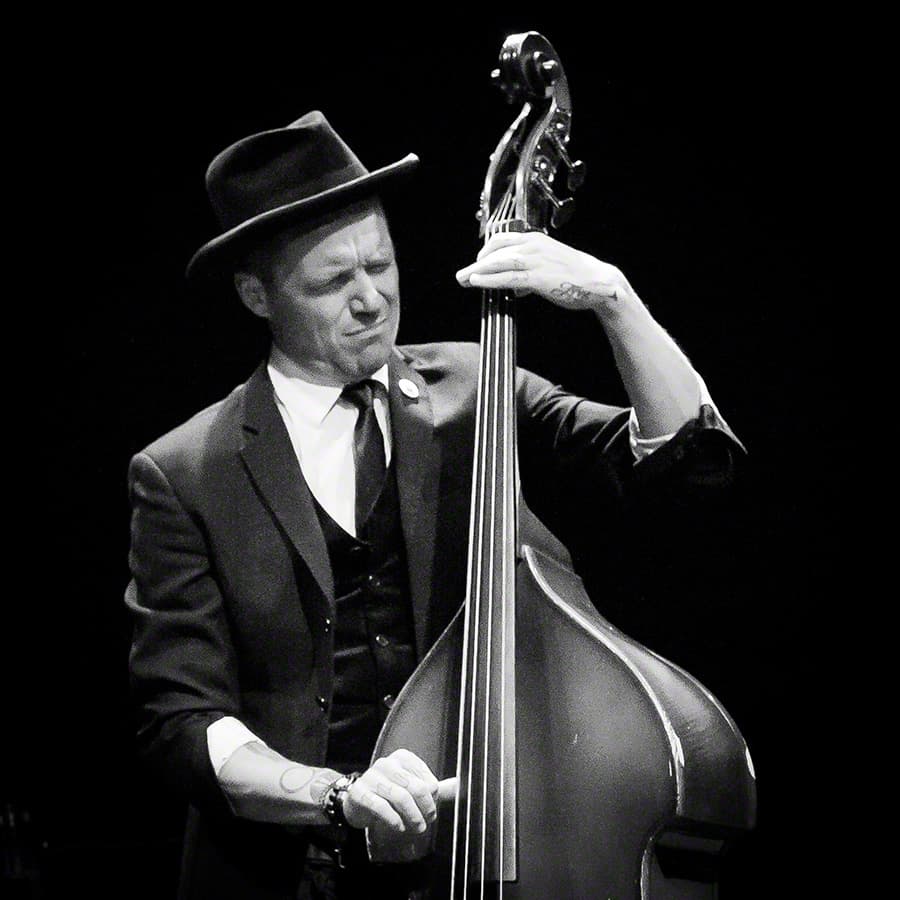
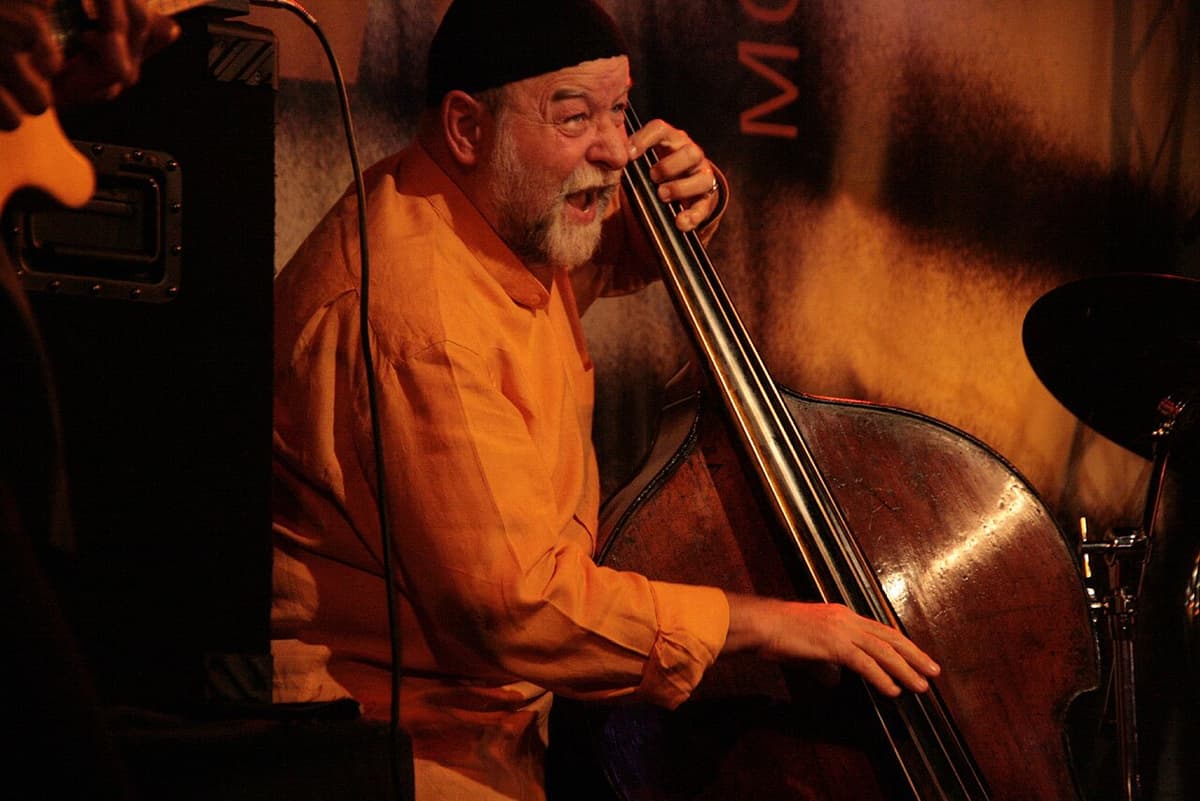
Henri Texier is a foundational figure in European jazz, specifically known for expanding the double bass's role from a rhythmic anchor to a melodic and textural lead. Emerging in the 1960s, he was a key player in the French free jazz movement, though he gained wider recognition through his work with Phil Woods' European Rhythm Machine.
His career is defined by a restless curiosity that led him to integrate North African and Middle Eastern musical structures into a jazz framework long before 'world music' was a marketing category. His 1970s solo albums, notably 'Amir' and 'Varech', are seminal works of spiritual jazz, characterized by his use of overdubbing to create dense, folk-like tapestries of sound. Critics often highlight his 'singing' bass tone and his ability to maintain a strong melodic core even within avant-garde contexts. His long-standing collaboration with Louis Sclavis and Aldo Romano remains a high-water mark for European improvisational music, blending photography and sound to explore cultural memory and geography.
Shares free jazz, spiritual jazz, avant-garde jazz, flute (subgenre)
Shares spiritual jazz, avant-garde jazz, desert, field_recordings (signature)
Shares spiritual jazz, upright bass, avant-garde jazz, desert (signature)
Shares spiritual jazz, avant-garde jazz, flute, desert (signature)
Shares spiritual jazz, avant-garde jazz, jazz fusion, chanting (signature)
Cassette uses generative AI to enrich its catalog. How we use AI →