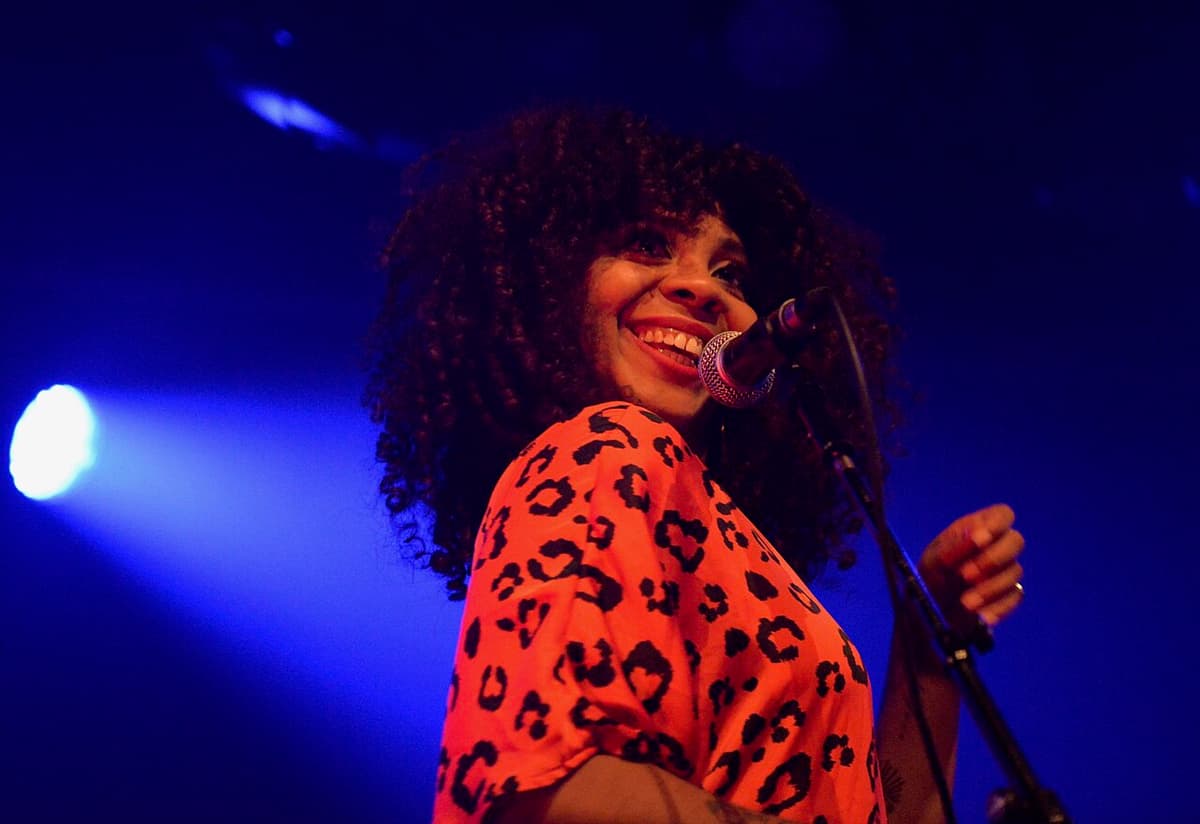
Hollie Cook
Sun-drenched reggae with a 1960s girl-group soul. Ethereal vocals floating over heavy dub basslines and warm analog brass. Perfect for golden hour and slow summers.
Sun-drenched reggae with a 1960s girl-group soul. Ethereal vocals floating over heavy dub basslines and warm analog brass. Perfect for golden hour and slow summers.
Hollie Cook creates a sound she calls tropical pop, a lush intersection where the heavy, rhythmic foundations of roots reggae meet the shimmering melodic sensibilities of 1960s girl groups. Her music feels like a permanent summer, characterized by warm analog production, rich brass sections, and a sense of spaciousness that invites the listener to exhale. It is sophisticated yet effortless, carrying the weight of traditional dub without ever losing its lightness of spirit.
What truly distinguishes Cook is her vocal delivery. Eschewing the grit often found in reggae, she opts for a breathy, ethereal tone that feels closer to dream pop or classic soul. This contrast between the deep, vibrating basslines and her high, sweet harmonies creates a unique sonic tension. The production, often handled by Prince Fatty, utilizes vintage techniques like tape saturation and spring reverb to give the tracks a timeless, lived-in quality that avoids modern digital sterility.
Newcomers should start with her self-titled debut, Hollie Cook, to hear the blueprint of her sound. It perfectly captures the blend of rocksteady rhythms and pop hooks. For those who prefer a more atmospheric, instrumental-leaning experience, her Happy Hour in Dub album showcases the technical prowess of her arrangements when the vocals are stripped back to their most ghostly elements.
Hollie Cook (born 1987, West London, England) is an English singer and keyboardist. She was part of the final line-up of all-female punk/reggae band the Slits. From 2010, Cook has also had a career as solo artist working with producer and songwriter Prince Fatty. In 2011, she released her first and self-titled reggae album Hollie Cook. She calls her own music "tropical pop", and has a passion for reggae and female rocksteady and reggae singers, such as Janet Kay and Phyllis Dillon, combined with classic 1960s girl groups.
Cassette uses generative AI to enrich its catalog. How we use AI →


