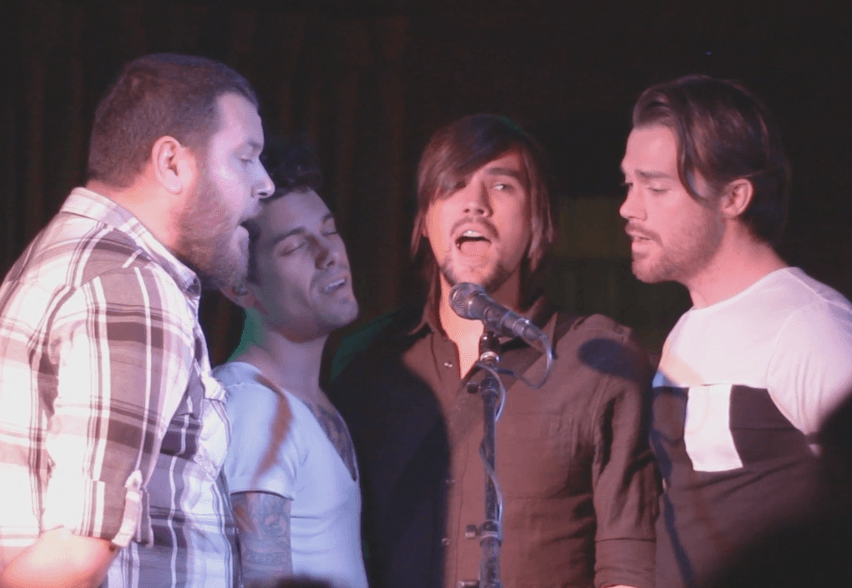
House of Heroes
Theatrical alternative rock defined by soaring three-part harmonies and cinematic storytelling. It is big, earnest music for long drives and deep thinking.
Theatrical alternative rock defined by soaring three-part harmonies and cinematic storytelling. It is big, earnest music for long drives and deep thinking.
House of Heroes sounds like the intersection of midwestern grit and Broadway ambition. Their music is anchored by a powerful rhythm section and interlocking guitar work, but the true centerpiece is their vocal arrangement. They utilize dense, Queen-inspired three-part harmonies that elevate standard alternative rock into something far more cinematic and communal. It is music that feels wide-open and purposeful, often building from intimate verses to massive, shouting-at-the-sky choruses.
What truly distinguishes them is their commitment to the narrative. Rather than sticking to vague emotional tropes, they write detailed vignettes about WWII spies, biblical figures, and suburban thieves. This storytelling is paired with a sophisticated melodic sense inherited from The Beatles, ensuring that even their most complex arrangements remain catchy and accessible. They possess a rare ability to sound both like a sweaty basement punk band and a polished studio ensemble simultaneously.
For those new to the band, The End Is Not the End is the essential starting point. It captures their peak creative ambition with tracks that range from acoustic vulnerability to epic rock storytelling. If you prefer something with more of a classic rock and roll swagger, Suburba offers a nostalgic look at youth and rebellion through a high-fidelity lens.
House of Heroes is an American alternative rock band from Columbus, Ohio. They have released six albums: What You Want Is Now (2003), House of Heroes (2005), The End Is Not the End (2008), Suburba (2010), Cold Hard Want (2012), and Colors (2016). The band also released the album Ten Months (2001) under their original name, No Tagbacks, which had more of a punk sound than their releases as House of Heroes. They also re-released their self-titled record under the name of Say No More (2006). The band was last composed of Tim Skipper, Colin Rigsby, A.J. Babcock, Jared Rigsby, and Eric Newcomer.
Shares alternative rock, indie rock, power pop (subgenres); studio polished, layered dense, analog warmth (production style)
Shares alternative rock, indie rock, power pop (subgenres); studio polished, analog warmth, layered dense (production style)
Shares alternative rock, indie rock, power pop (subgenres); studio polished, layered dense, analog warmth (production style)
Shares alternative rock, indie rock, punk rock (subgenres); studio polished, analog warmth, layered dense (production style)
Shares studio polished, layered dense, analog warmth (production style); alternative rock, power pop, art rock (subgenres)
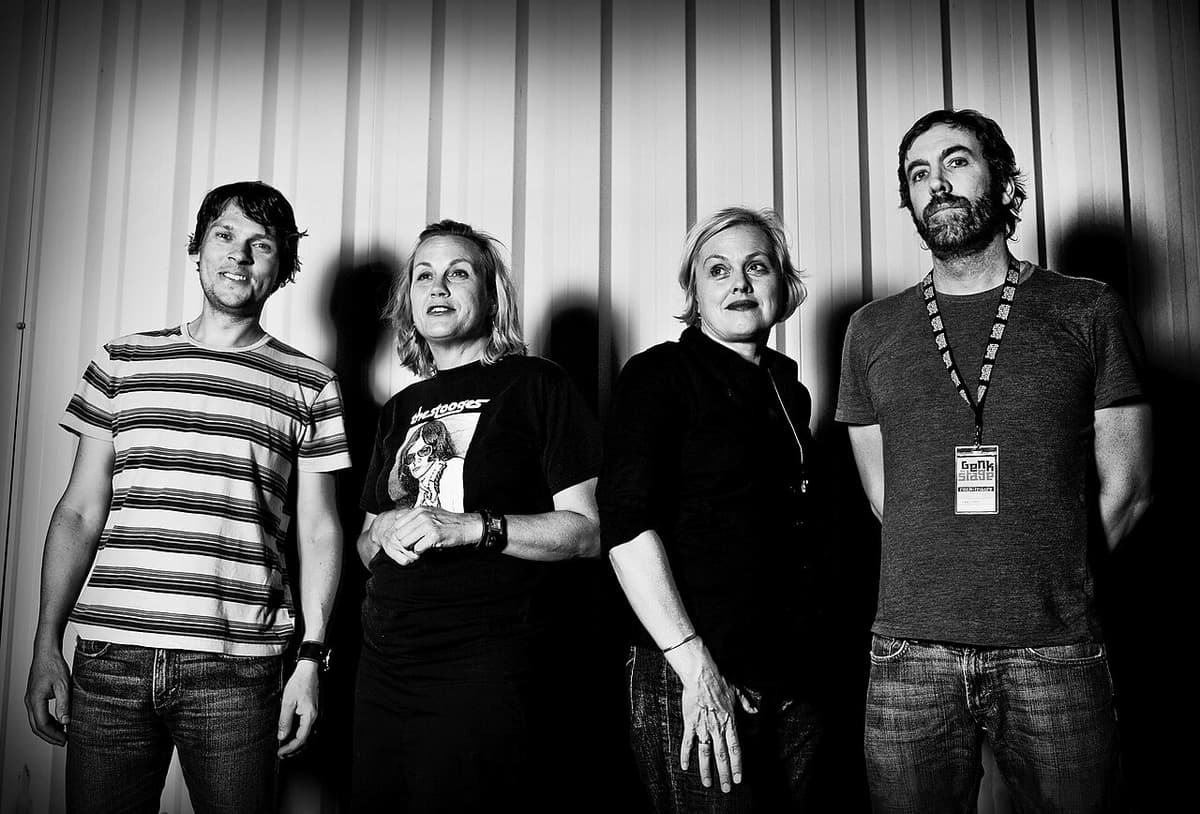
Shares alternative rock, indie rock, power pop (subgenres); studio polished, layered dense, analog warmth (production style)
Shares harmonized, belting, vocal layering (vocal style); indie rock, art rock, alternative rock (subgenres)
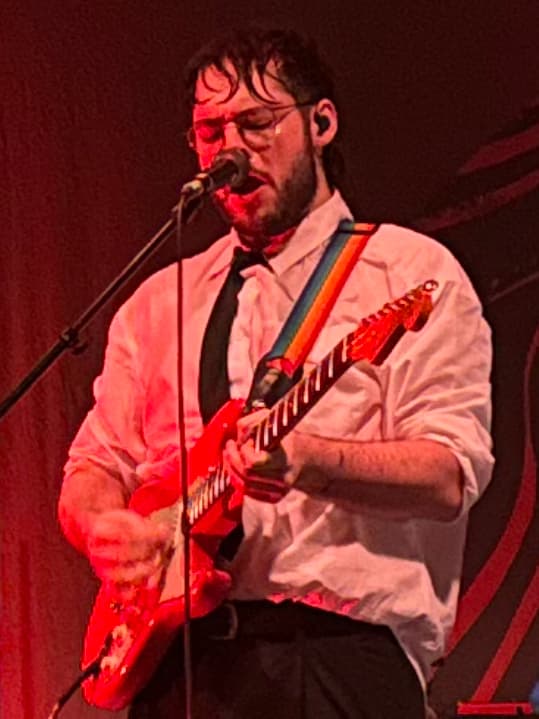
Shares indie rock, alternative rock, power pop (subgenres); studio polished, layered dense, analog warmth (production style)
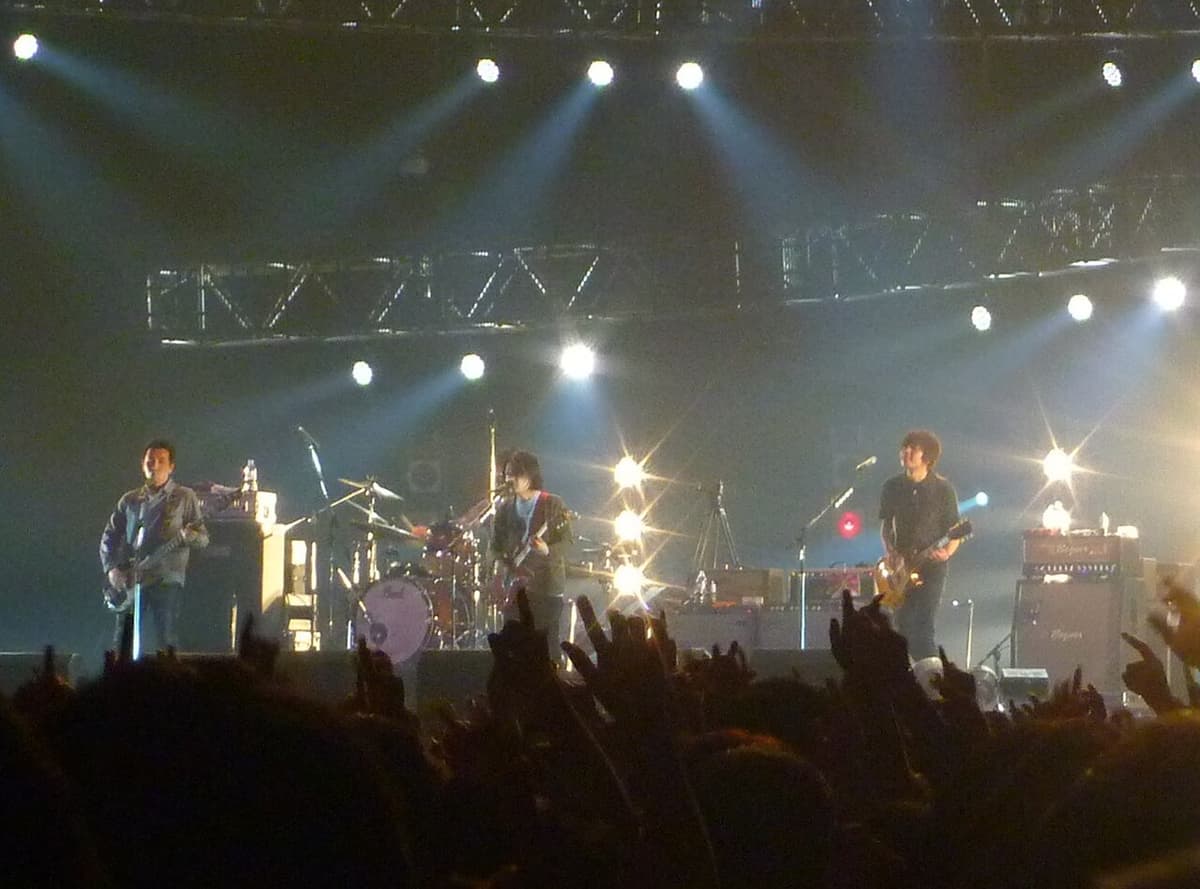
Shares alternative rock, indie rock, punk rock (subgenres); studio polished, layered dense, analog warmth (production style)
Shares power pop, indie rock, alternative rock (subgenres); studio polished, layered dense, analog warmth (production style)
Shares power pop, storytelling, triumphant, indie rock (signature)
Cassette uses generative AI to enrich its catalog. How we use AI →


