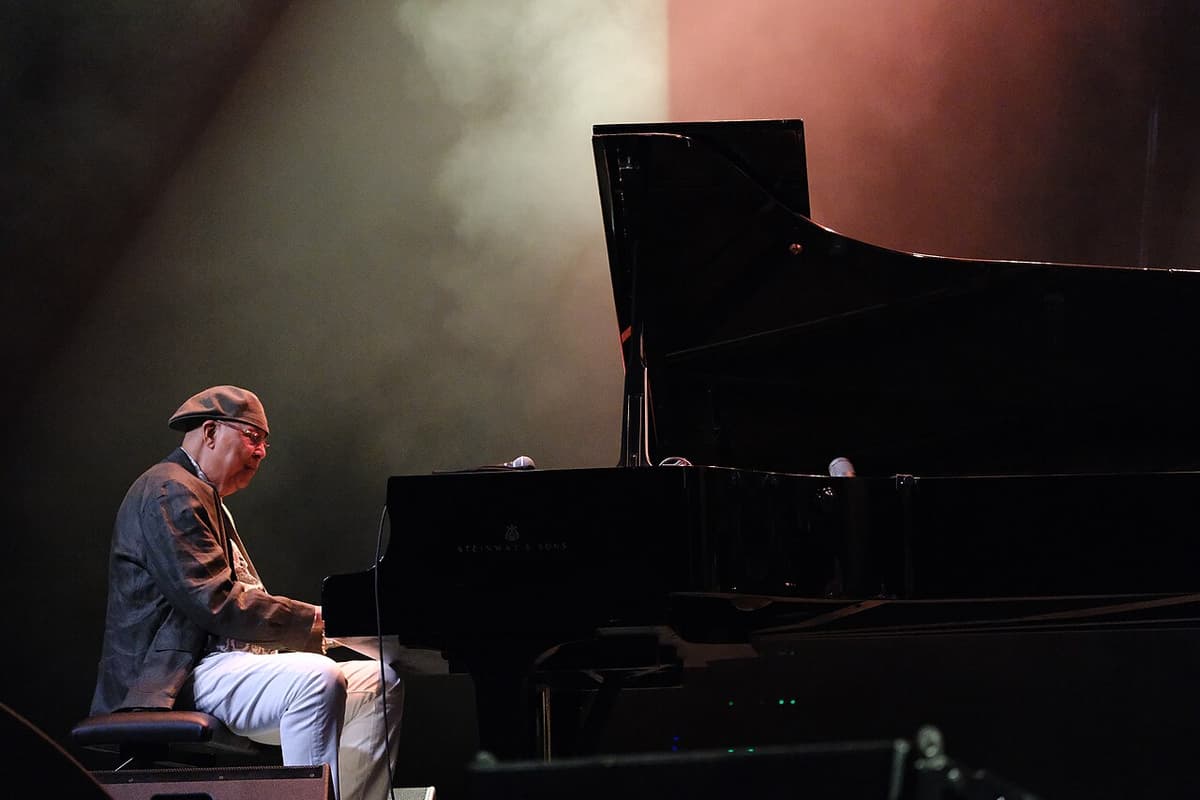
Formed in 1973 by pianist Chucho Valdés, Irakere is the most influential Cuban ensemble of the post-revolutionary era. The group functioned as a laboratory for Cuba's elite conservatory-trained musicians, blending Santería liturgical music with jazz fusion, funk, and rock.
Their sound is characterized by 'metales de terror' (terror horns) - a high-register, aggressive brass style - and the pioneering use of sacred batá drums in a secular jazz context. The band served as a bridge between the songo era and the eventual birth of timba in the 1990s. Despite the political isolation of Cuba, their 1978 international debut won a Grammy, signaling a global shift in Latin jazz. The group's history is marked by the defection of key members like Paquito D'Rivera and Arturo Sandoval, which highlighted the tension between Cuban state artistic expectations and the musicians' desire for jazz freedom. Critically, they are regarded as the architects of modern Afro-Cuban jazz, moving the genre away from the mid-century mambo sound toward a more complex, rhythmically aggressive, and harmonically advanced aesthetic.






Cassette uses generative AI to enrich its catalog. How we use AI →