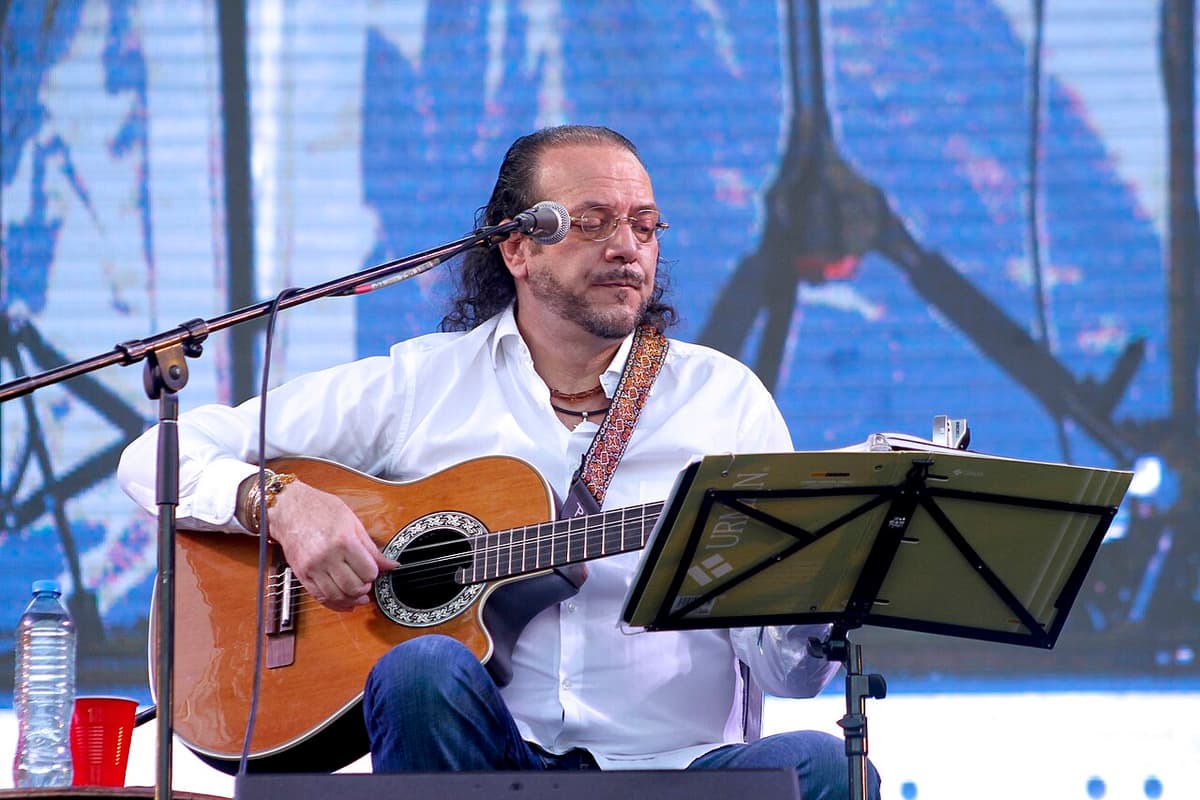
Isabel Parra
Intimate Chilean folk that carries the weight of history in a whisper. Poetic, acoustic protest music that feels like a shared secret in a quiet room.
Intimate Chilean folk that carries the weight of history in a whisper. Poetic, acoustic protest music that feels like a shared secret in a quiet room.
Isabel Parra is a foundational figure in the Nueva Canción Chilena movement, serving as both a guardian of traditional folklore and a pioneer of the modern protest song. Born into the legendary Parra family, she was mentored by her mother, Violeta Parra, whose influence is evident in Isabel's commitment to authentic instrumentation like the charango and quena.
Her career arc is defined by her forced exile following the 1973 Chilean coup, a period that infused her work with themes of longing, displacement, and resilience. Critically, she is revered for her ability to elevate folk music to a high-art form without losing its populist heart. Her sound identity is built on minimalist acoustic arrangements and a vocal style that favors emotional clarity over technical display. She remains a vital link between the rural traditions of the Andes and the urban intellectualism of the 20th-century Latin American left, influencing generations of singer-songwriters across the Spanish-speaking world.
Cassette uses generative AI to enrich its catalog. How we use AI →