Jacula sounds like a black mass held in a flooded basement. The core of their sound is the massive, weeping church organ of Charles Tiring, which provides a foundation of dread that feels more like religious ceremony than rock music. Over this, Antonio Bartoccetti layers distorted, bluesy guitar lines that feel like they are fighting through a thick fog, while whispered narrations and operatic wails drift in and out of the mix.
What makes them truly distinctive is their complete rejection of 1970s sunshine. While their contemporaries were exploring space or pastoral meadows, Jacula was digging into the dirt of the occult. There is a genuine sense of the 'forbidden' in their recordings, aided by their association with a medium and the murky, lo-fi production that makes the albums sound like they were unearthed rather than recorded.
Start with 'In Cauda Semper Stat Venenum' to hear the blueprint of dark prog. It is an uncompromising listen that prioritizes atmosphere over melody, creating a sonic space that feels both claustrophobic and infinitely deep. It is the perfect entry point for anyone who finds standard progressive rock too cheerful.
Jacula was an Italian rock band founded in the late 1960s in Milan as an experiment by Antonio Bartoccetti, Doris Norton, organist Charles Tiring and medium Franz Porthenzy. Jacula's music was considered innovative for the time in progressive circles but considered dark and strange by most fans and analysts of the genre, especially in an era that included the development of groups such as Pink Floyd, Genesis and Gentle Giant, bands which were the basis of the then new progressive rock scene. Because the band was experimental, and had been labeled by founder Antonio Bartoccetti as a youth mistake, Jacula's discography is relatively small. The group completed three albums, Tardo Pede In Magiam Versus in 1972, Pre Viam in May, 2011 and In Cauda Semper Stat Venenum, which release date is still debated. Tardo Pede In Magiam Versus featured Fiamma Dello Spirito's vocals, with a sound influenced by bands of the Italian underground scene such as Le Orme. In the 1970s, Jacula changed their name to Antonius Rex, maintaining the same lineup, until the release of Pre Viam.


Shares progressive rock, art rock, darkwave (subgenres); cathedral, midnight, fog (atmosphere)
Shares progressive rock, art rock, darkwave (subgenres); cathedral, midnight, fog (atmosphere)
Shares progressive rock, art rock (subgenres); cathedral, midnight, fog (atmosphere)
Shares progressive rock, art rock (subgenres); cathedral, midnight, fog (atmosphere)
Shares haunting, mysterious, brooding (moods); progressive rock, art rock (subgenres)
Shares haunting, mysterious, brooding (moods); reverb heavy, lo fi, analog warmth (production style)
Shares haunting, mysterious, brooding (moods); reverb heavy, lo fi, analog warmth (production style)
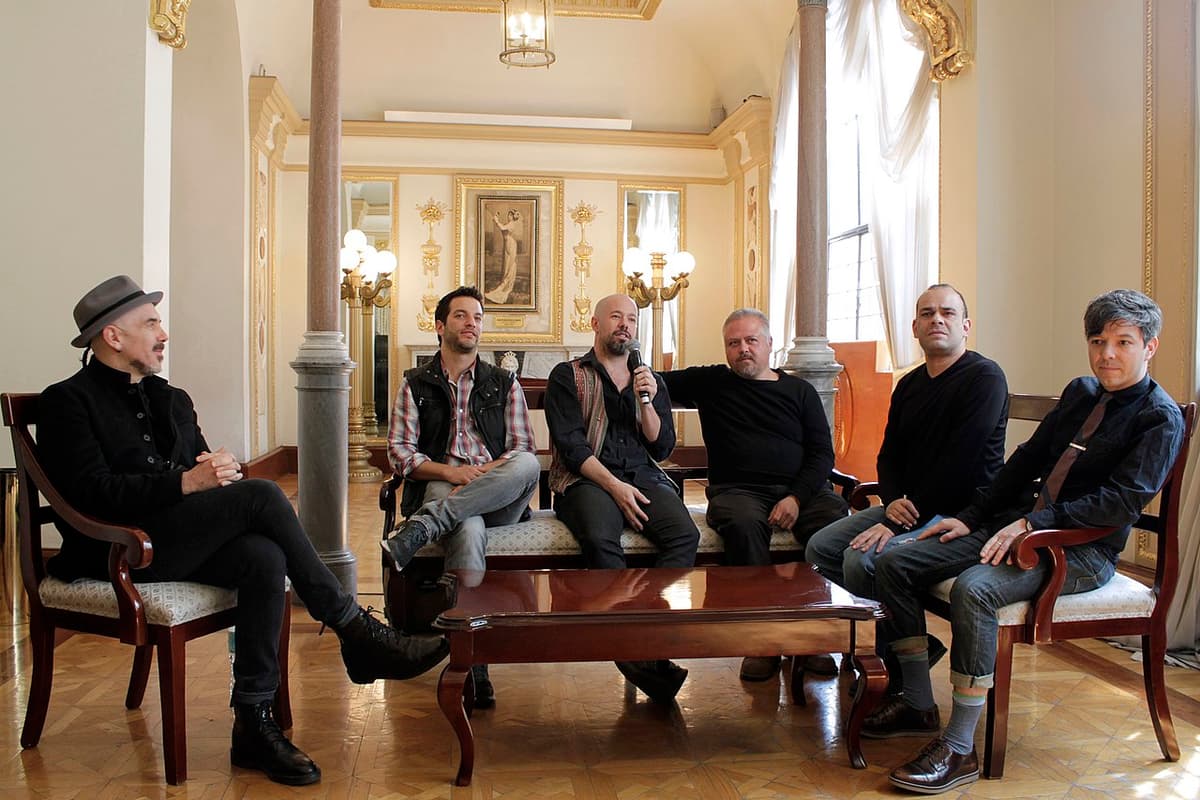
Shares progressive rock, art rock (subgenres); mysterious, haunting, brooding (moods)
Shares progressive rock, art rock (subgenres); cathedral, midnight, fog (atmosphere)
Shares spoken word, operatic, organ, progressive rock (signature)
Shares operatic, flute, organ, progressive rock (vocal style)
Cassette uses generative AI to enrich its catalog. How we use AI →