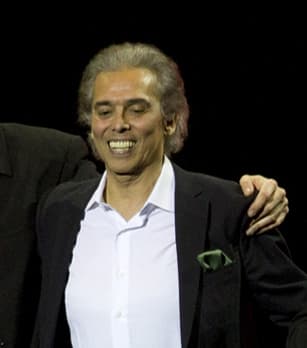
Jairo
Elegant, classically-trained vocals meeting the heart of Argentine folk. Sophisticated ballads that feel like a private performance in a grand, velvet-lined theater.
Elegant, classically-trained vocals meeting the heart of Argentine folk. Sophisticated ballads that feel like a private performance in a grand, velvet-lined theater.
Jairo possesses one of the most versatile and technically proficient voices in the history of Argentine music. His sound is a bridge between the high-drama of European chanson and the grounded, rhythmic soul of South American folklore. It is music that feels expensive and deeply felt simultaneously, characterized by lush orchestral backdrops and a baritone that can move from a delicate whisper to a powerful, room-filling crescendo.
What truly sets him apart is his cosmopolitan sensibility. Having spent significant time in France, he infuses his Argentine roots with a sophisticated pop polish that never feels shallow. He treats a chacarera with the same reverence and technical precision as a jazz standard or a French ballad, creating a hybrid style that is both intellectually stimulating and emotionally resonant.
Start with his 1970s self-titled work for the quintessential romantic sound, or explore 'Criollo' to hear how he interprets traditional Argentine rhythms through his refined lens. It is the perfect accompaniment for moments that require a touch of class and a heavy dose of nostalgia.
Jairo [ˈxajɾo], pseudonym of Mario Rubén González Pierotti (born June 16, 1949), is an Argentine singer-songwriter and composer. Throughout his career, he has performed more than 500 songs in Spanish, French and Italian. Among its most widespread songs they are: «Tu alma golondrina», «Por si tú quieres saber», «Tristezas», «De pronto sucedió», «El valle y el volcán», «Si vuelves será cansancio», «Amigos míos me enamoré», «Hoy dejó la ciudad», «Nos verán llegar», «Revólver» and «Me encanta esta hora del día».
Cassette uses generative AI to enrich its catalog. How we use AI →


