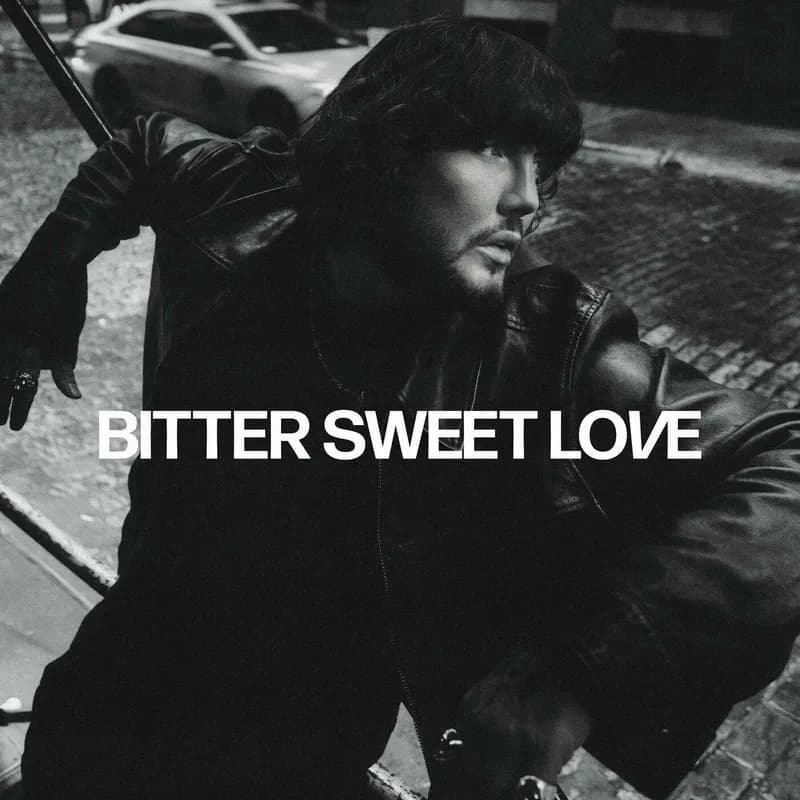
James Arthur
Gritty, soulful vocals meeting polished acoustic pop. Vulnerable ballads that feel like a private confession shared in a crowded room. Perfect for late-night reflection.
Gritty, soulful vocals meeting polished acoustic pop. Vulnerable ballads that feel like a private confession shared in a crowded room. Perfect for late-night reflection.
James Arthur is a British pop and soul artist who achieved massive commercial success following his win on the ninth series of The X Factor UK in 2012. His sound identity is built upon a foundation of 'blue-eyed soul,' characterized by a raspy, powerful vocal delivery and a blend of acoustic singer-songwriter tropes with contemporary R&B production.
His career arc is notable for its resilience; after a period of significant public controversy and being dropped by his initial label, Syco, he staged one of the most successful comebacks in British pop history with the multi-platinum single 'Say You Won't Let Go.' This track solidified his position as a leading voice in the 'sad boy' pop movement, characterized by vulnerable, male-led ballads. Critically, he is often praised for his vocal technique and emotional honesty, though some critics note his adherence to established pop formulas. He occupies a similar cultural space to artists like Lewis Capaldi and Dean Lewis, serving as a bridge between the reality TV machine and credible, self-penned artistry. His influence is felt in the wave of soulful, gritty male vocalists who prioritize emotional catharsis over dancefloor utility.

Shares contemporary r&b, acoustic folk, soul (subgenres); studio_polished, stripped_back, reverb_heavy (production style)
Shares contemporary r&b, soul, acoustic folk (subgenres); vulnerable, romantic, bittersweet (moods)

Shares contemporary r&b, acoustic folk, pop rock (subgenres); vulnerable, romantic, bittersweet (moods)
Shares contemporary r&b, soul (subgenres); vulnerable, bittersweet, melancholic (moods)

Shares studio_polished, stripped_back, reverb_heavy (production style); contemporary r&b, soul (subgenres)

Shares vulnerable, melancholic, bittersweet (moods); studio_polished, stripped_back, reverb_heavy (production style)
Cassette uses generative AI to enrich its catalog. How we use AI →