John Linnell
Brainy, accordion-led pop that turns obscure history and surrealist wordplay into catchy melodies. It is the sound of a very smart person having a very strange day.
Brainy, accordion-led pop that turns obscure history and surrealist wordplay into catchy melodies. It is the sound of a very smart person having a very strange day.
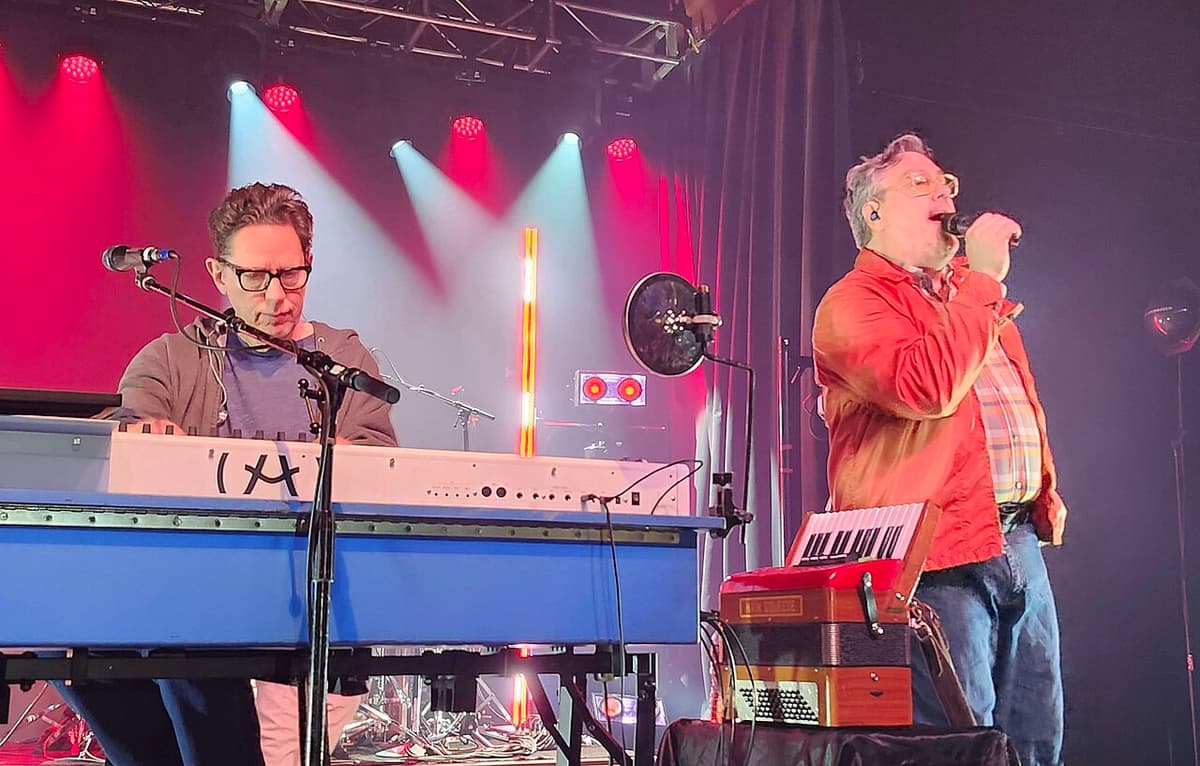
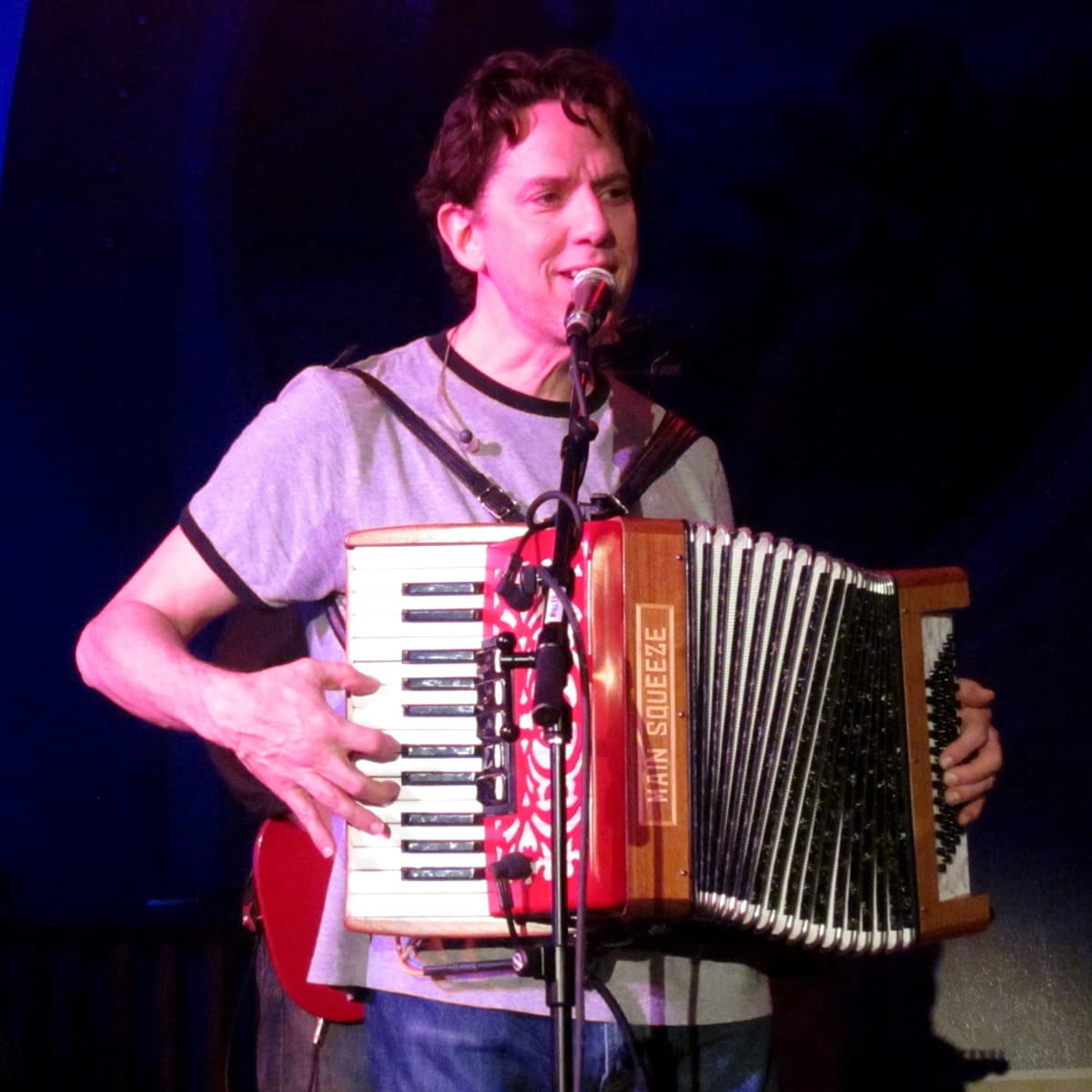
John Linnell is a foundational figure in the 'geek rock' and alternative pop scenes, primarily through his work with They Might Be Giants. His solo output, though sporadic, serves as a concentrated dose of his specific compositional signatures: the use of accordion as a primary harmonic engine, a fascination with historical and technical jargon, and a vocal style characterized by precise diction and a distinctive nasal timbre.
His 1999 album 'State Songs' is a landmark in conceptual indie pop, showcasing his ability to blend educational themes with surrealist abstraction. Linnell's influence is visible in the 'nerd-core' and chamber pop movements of the late 90s and early 2000s, influencing artists like Ben Folds and Ween. Critically, he is regarded as a master of the 'unreliable narrator' lyric, often writing from the perspective of obsessive or slightly detached characters. His work is characterized by high melodic density and a rejection of traditional rock machismo in favor of intellectual playfulness and instrumental versatility.
Shares bedroom_production, analog_warmth, minimalist (production style); playful, wistful, mysterious (moods)
Shares art pop, chamber pop, indie pop (subgenres); playful, wistful, restless (moods)
Shares playful, mysterious, wistful (moods); art pop, indie pop, chamber pop (subgenres)
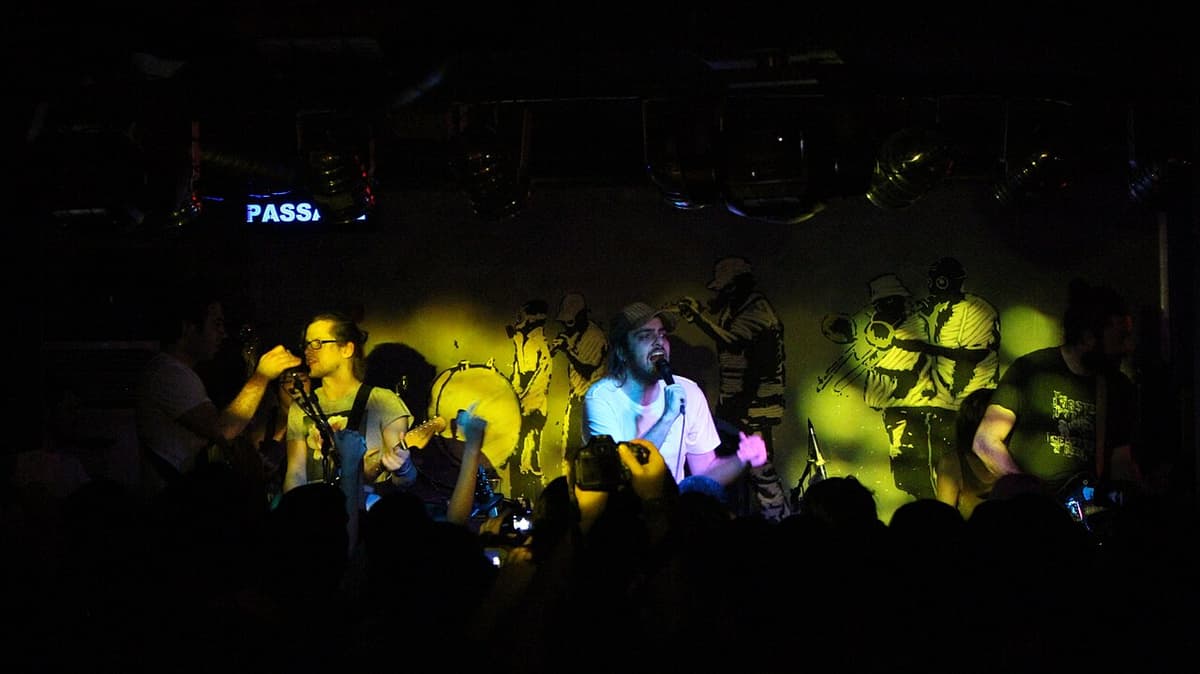
Shares alternative rock, art pop, indie pop (subgenres); bedroom_production, analog_warmth, layered_dense (production style)
Shares indie pop, alternative rock, power pop (subgenres); bedroom_production, analog_warmth, minimalist (production style)
Shares art pop, chamber pop, indie pop (subgenres); playful, mysterious, restless (moods)
Shares alternative rock, art pop, chamber pop (subgenres); playful, mysterious, wistful (moods)
Shares power pop, art pop, sunday_morning, chamber pop (subgenre)
Cassette uses generative AI to enrich its catalog. How we use AI →