Jorge González
Sharp, synth-driven pop that balances biting social critique with raw emotional vulnerability. The sound of a restless mind finding beauty in the urban machine.
Sharp, synth-driven pop that balances biting social critique with raw emotional vulnerability. The sound of a restless mind finding beauty in the urban machine.
Jorge González sounds like the smartest person in the room who has just decided to stop pretending. His music is a fascinating collision of high-gloss 80s synth-pop sensibilities and a gritty, almost confrontational lyrical honesty. There is a persistent tension between the danceable, electronic surfaces and the deep, often melancholic undercurrents of his songwriting. It is music that feels both deeply Chilean and entirely universal, capturing the specific ache of modern isolation.
What makes him truly distinctive is his refusal to stay in one lane. While his peers often leaned into comfortable rock tropes, González embraced the 'plastic' nature of synthesizers and drum machines, using them to create something surprisingly human. His voice, often characterized by a deadpan, slightly nasal delivery, carries an immense weight of experience, moving from sharp sarcasm to devastating vulnerability within a single track.
Newcomers should start with his self-titled 1993 debut for a masterclass in Latin pop craft, or dive into 'Libro' for a more intimate, stripped-back experience. His work is essential for anyone who likes their pop music with a high degree of intellectual rigor and emotional stakes.
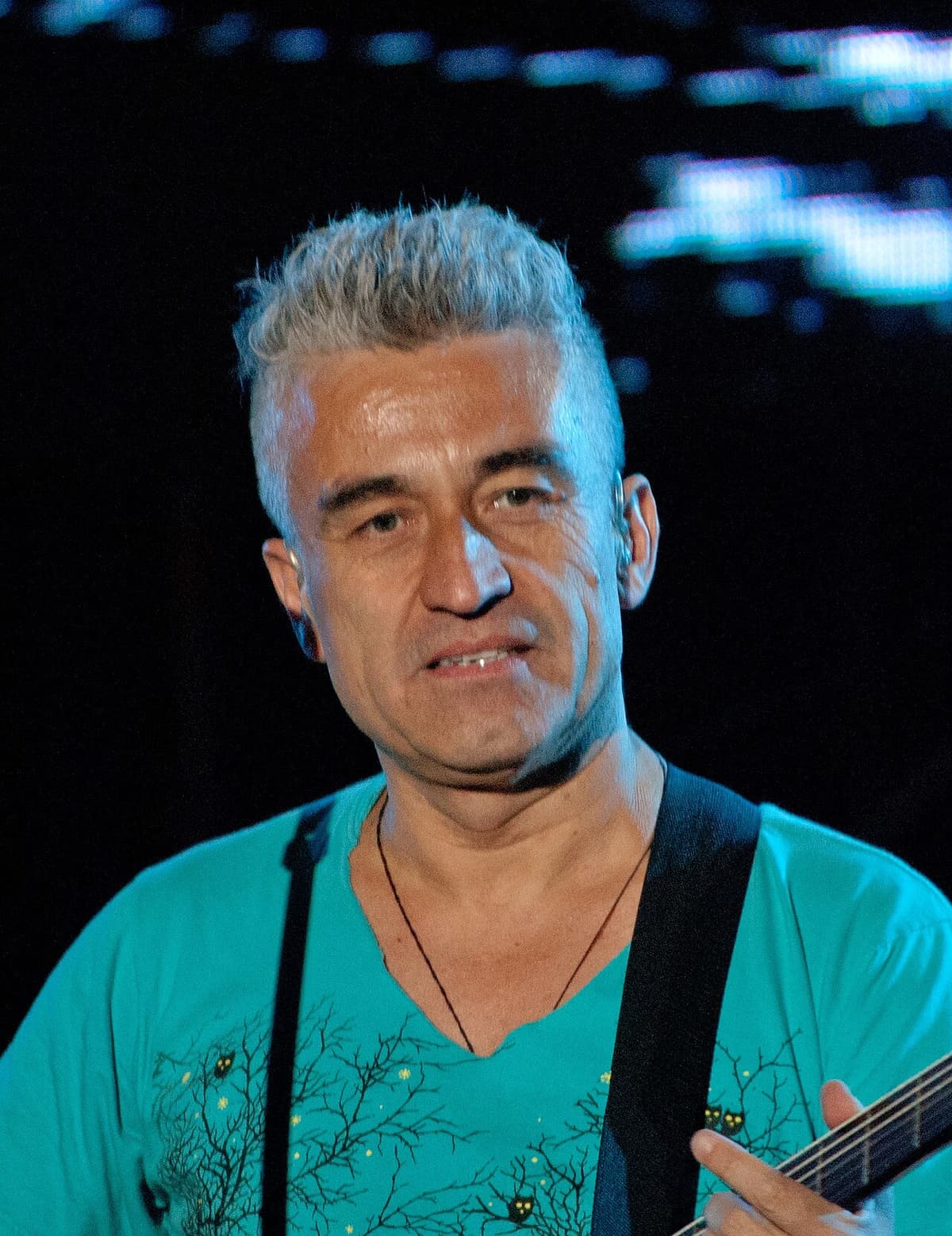
Jorge Humberto González Ríos (born 6 December 1964) is a Chilean singer-songwriter and producer, best known for being the leader, vocalist, songwriter and bass player of the post-punk band Los Prisioneros, considered by some to be among the most important Latin American bands of all time. González rose to fame in the early 1980s when he formed Los Prisioneros with friends Claudio Narea and Miguel Tapia. The band quickly gained popularity for their socially conscious lyrics and energetic performances, blending punk, new wave, ska and pop influences, with the band becoming a symbol of resistance during Chile's military dictatorship. Los Prisioneros had recorded four studio albums before disbanding in 1992, where González would begin a solo career, with five albums to date. Los Prisioneros would reunite for two more studio albums in 2001 before disbanding yet again in 2006. After the band's disbandment González formed with his wife the musical duo Los Updates in 2007, only to disband in 2011 after an extensive European tour. He would resume his solo career, when in February 2015, he collapsed mid-tour due to a cerebral vascular accident. After finishing his fifth solo album, he would announce his retirement from live performances in 2016 and spend the next few years recovering before releasing his sixth studio album in 2018.
Shares minimalist, digital clarity, lo fi (production style); urban night, solitude, rainy day (atmosphere)
Shares alternative rock, electronica, synth-pop (subgenres); urban night, solitude, rainy day (atmosphere)
Shares urban night, solitude, rainy day (atmosphere); defiant, melancholic, bittersweet (moods)
Shares synth-pop, electronica (subgenres); keys/synth, drum machine, electric guitar (instrumentation)

Shares urban night, solitude, rainy day (atmosphere); keys/synth, drum machine, electric guitar (instrumentation)
Shares urban night, solitude, rainy day (atmosphere); digital clarity, minimalist, lo fi (production style)
Shares urban night, solitude, rainy day (atmosphere); synth-pop, new wave (subgenres)
Shares synth-pop, alternative rock, new wave (subgenres); keys/synth, electric guitar, bass (instrumentation)
Shares urban night, solitude, rainy day (atmosphere); defiant, melancholic, bittersweet (moods)
Shares synth-pop, deadpan, electronica, rainy day (signature)
Cassette uses generative AI to enrich its catalog. How we use AI →