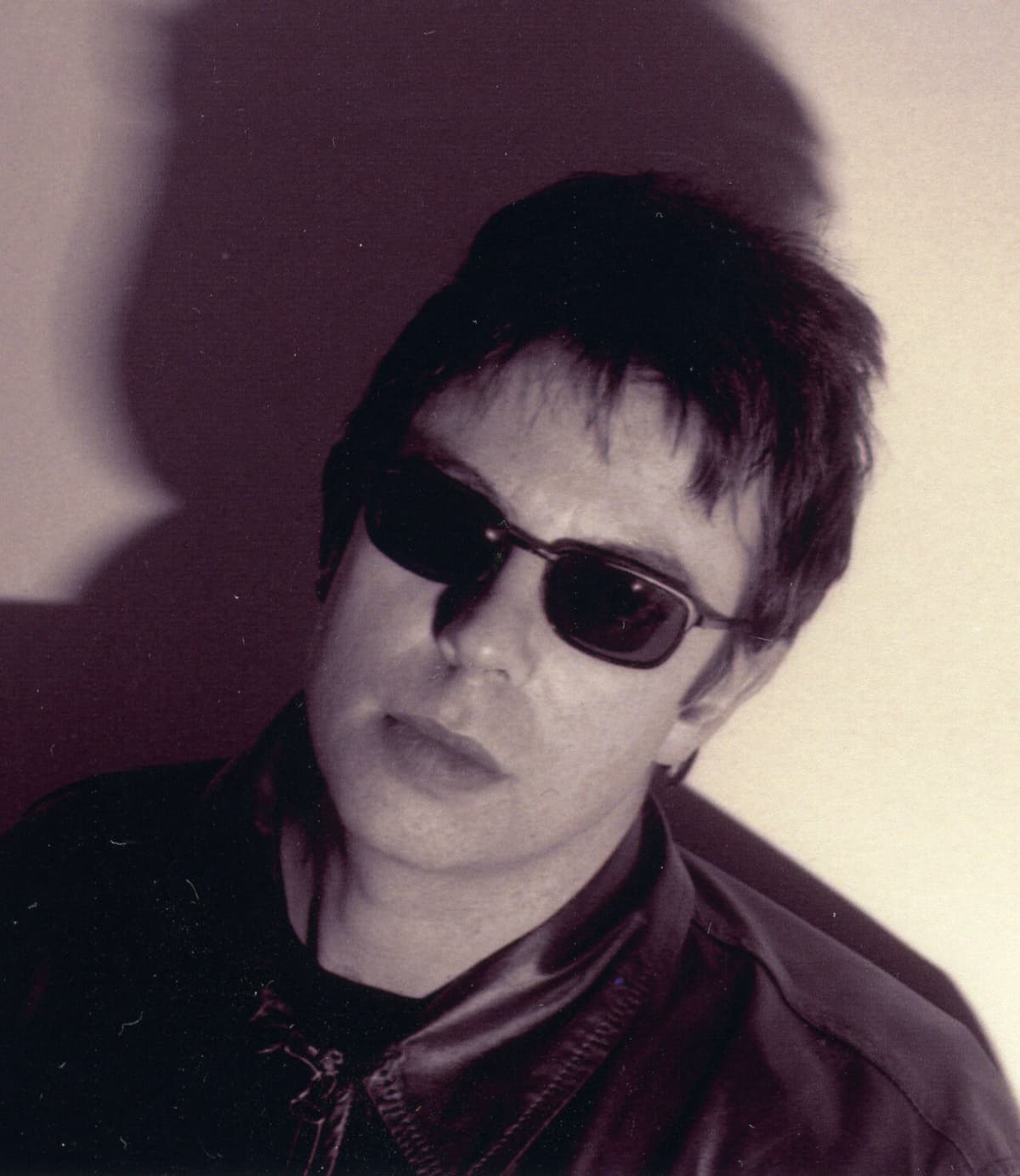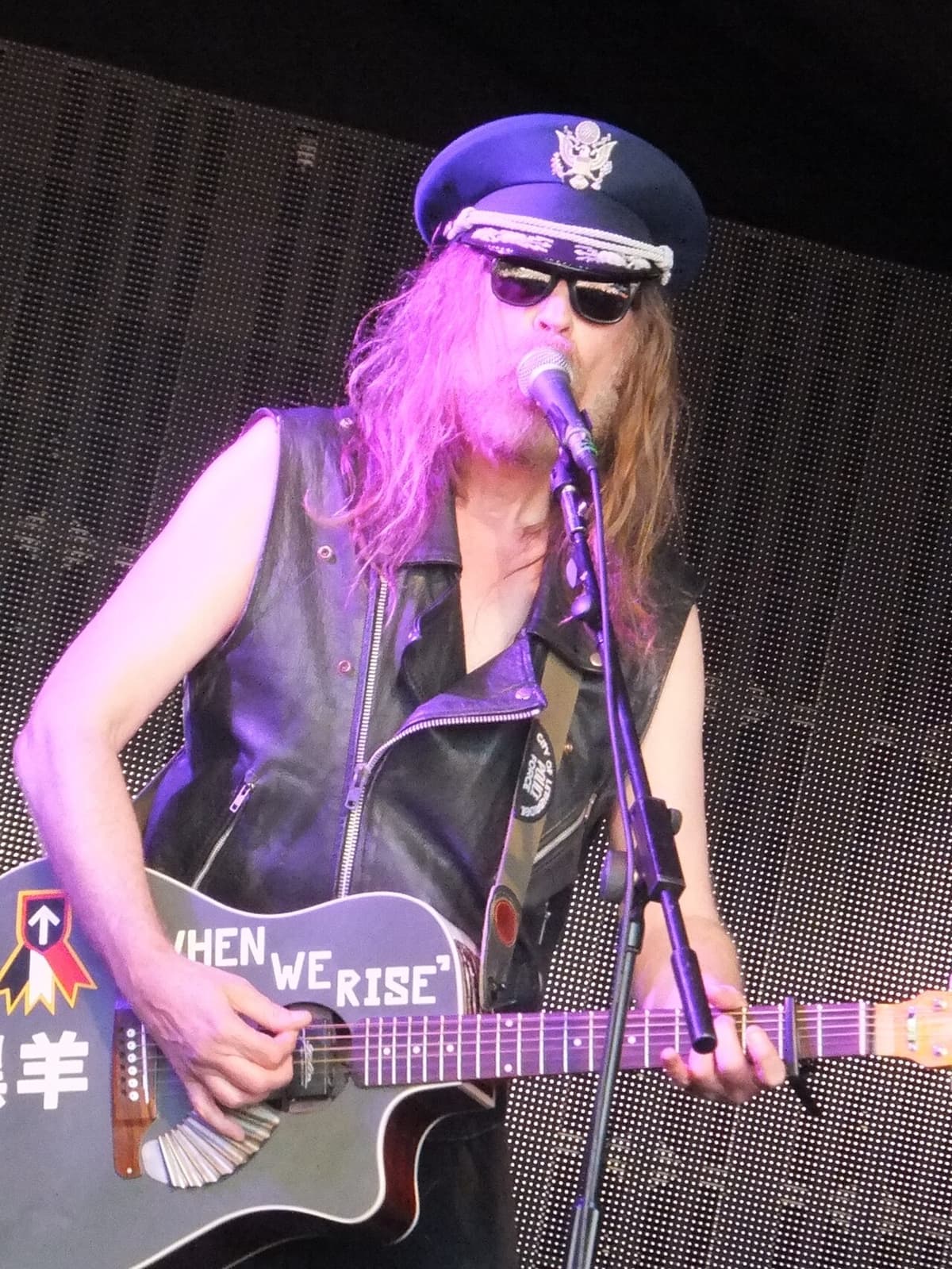
Julian Cope
Psychedelic pop meets pagan archaeology. Shamanic baritone vocals over motorik rhythms and fuzzy guitars for the modern antiquarian.
Psychedelic pop meets pagan archaeology. Shamanic baritone vocals over motorik rhythms and fuzzy guitars for the modern antiquarian.
Listening to Julian Cope feels like stumbling upon a brilliant, slightly unhinged professor in a pub who insists on telling you the secret history of the local landscape. The music is a heady cocktail of 60s garage rock energy, 70s Krautrock precision, and a deeply English sense of pastoral mysticism. It is at once catchy and challenging, shifting from polished pop hooks to sprawling, drone-heavy meditations on ancient history.
What truly sets Cope apart is his absolute commitment to his obsessions. Whether he is singing about Neolithic monuments, the environmental impact of the automobile, or the genius of obscure Japanese rock bands, there is a palpable sense of intellectual curiosity and shamanic intensity. His voice, a rich and resonant baritone, acts as a steady guide through sonic landscapes that range from stripped-back acoustic folk to dense, fuzz-drenched psychedelic workouts.
For the uninitiated, Saint Julian offers the most accessible entry point with its high-gloss 80s rock production and massive hooks. However, to truly understand the 'Archdrude,' one must venture into the sprawling double-album Jehovahkill, where his interests in paganism, Krautrock, and Detroit proto-punk collide in a masterpiece of underground art rock.
Julian David Cope (born 21 October 1957) is a Welsh musician and author. He was the singer and songwriter in Liverpool post-punk band The Teardrop Explodes and has followed a solo career since 1983 in addition to working on musical side projects such as Queen Elizabeth, Brain Donor, and Black Sheep. Cope is also an author on Neolithic culture, publishing The Modern Antiquarian in 1998, and a political and cultural activist with a public interest in occultism and paganism. He has written two volumes of autobiography, Head-On (1994) and Repossessed (1999); two volumes of archaeology, The Modern Antiquarian (1998) and The Megalithic European (2004); and three volumes of musicology, Krautrocksampler (1995), Japrocksampler (2007); and Copendium: A Guide to the Musical Underground (2012).
Shares post-punk, psychedelic rock, alternative rock (subgenres); analog warmth, layered dense, studio polished (production style)
Shares post-punk, psychedelic rock, alternative rock (subgenres); lo fi, analog warmth, layered dense (production style)
Shares psychedelic rock, alternative rock, art rock (subgenres); mysterious, contemplative, rebellious (moods)
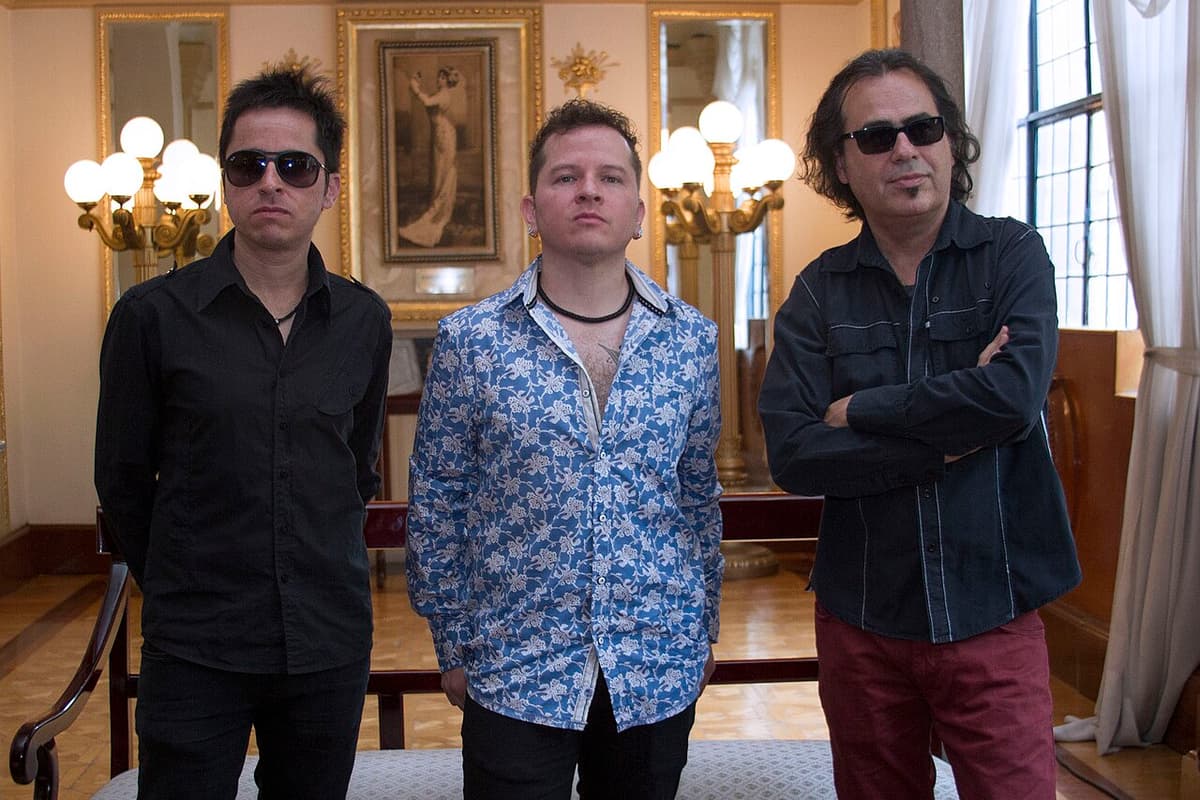
Shares post-punk, psychedelic rock, alternative rock (subgenres); analog warmth, layered dense, studio polished (production style)
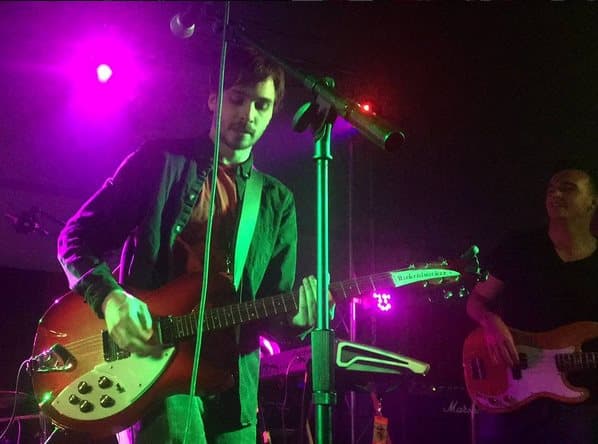
Shares psychedelic rock, alternative rock, art rock (subgenres); analog warmth, layered dense, studio polished (production style)
Shares post-punk, psychedelic rock, alternative rock (subgenres); analog warmth, layered dense, studio polished (production style)
Shares post-punk, psychedelic rock, art rock (subgenres); analog warmth, layered dense, studio polished (production style)
Shares psychedelic rock, art rock (subgenres); analog warmth, layered dense, studio polished (production style)
Shares psychedelic rock, art rock (subgenres); lo fi, analog warmth, layered dense (production style)
Cassette uses generative AI to enrich its catalog. How we use AI →