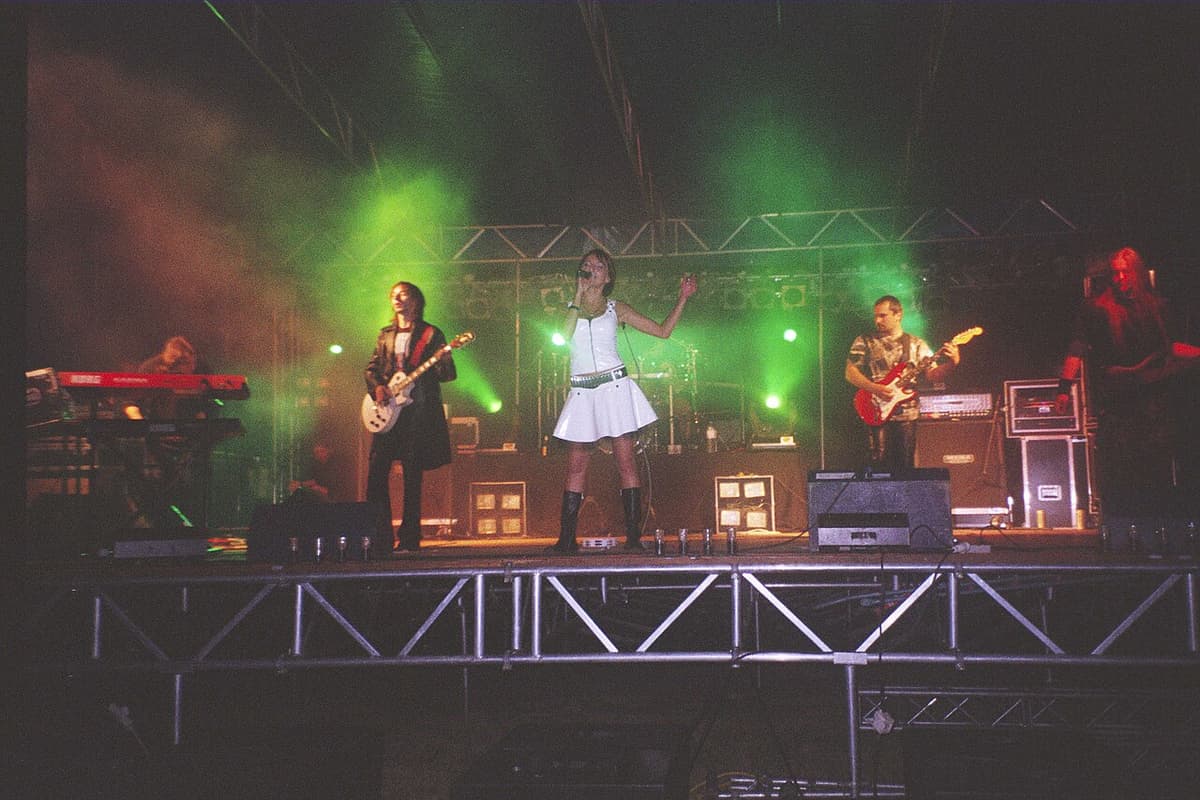
Kaija Koo
Powerful, raspy Finnish pop that feels like a collective exhale. Anthemic songs for finding strength in heartbreak and celebrating the messy beauty of life.
Powerful, raspy Finnish pop that feels like a collective exhale. Anthemic songs for finding strength in heartbreak and celebrating the messy beauty of life.
Kaija Koo is the voice of Finnish resilience. Her music occupies a unique space between the emotional weight of traditional schlager (iskelmä) and the driving energy of arena rock. It is music that sounds like it was written to be shouted by thousands of people at once, yet it maintains a deeply personal, almost diary-like intimacy in its lyrical delivery. Her signature raspy vocal tone adds a layer of lived-in experience to every note, making her anthems of empowerment feel earned rather than manufactured.
What truly sets her apart is the 'Koo-esque' drama: the slow-burning verses that explode into massive, soaring choruses. There is a specific kind of Finnish melancholy present, but it is never passive. Instead, it is a catalyst for movement and change. The production often blends organic rock instrumentation with shimmering 90s and 2000s pop synths, creating a sound that is both nostalgic and perpetually relevant to the Finnish cultural landscape.
For a true introduction, start with the 1993 breakthrough 'Tuulten viemää'. It captures the exact moment she defined her sound, blending vulnerable storytelling with the kind of hooks that have made her one of the best-selling artists in Finland's history. It is the perfect entry point for anyone wanting to understand the intersection of Finnish soul and pop spectacle.
Kaija Kokkola (born 10 September 1962), better known by her stage name Kaija Koo, is a Finnish singer. Kokkola began her career when she was 17 years old, as a member of the band Steel City, later known as Kaija Koo Band, until it broke up and Kaija Koo became a solo artist. Her debut solo album Kun savukkeet on loppuneet was released in 1986. The next album, Tuulten viemää, created with her then-husband Markku Impiö and released in 1993, was Kaija Koo's major breakthrough. It sold 175 000 copies, making it the sixth-best-selling album of all time in Finland. Kaija Koo also participated in the Finnish qualification of Eurovision Song Contest 1981 as a member of the background choir in Frederik's song "Titanic". Since her breakthrough, Kaija Koo has remained successful, releasing a new album every few years. During her career, she has sold over 540,000 certified records, which makes her the 16th-best-selling music artist, the ninth-best-selling solo artist and the third-best-selling female solo artist in Finland.
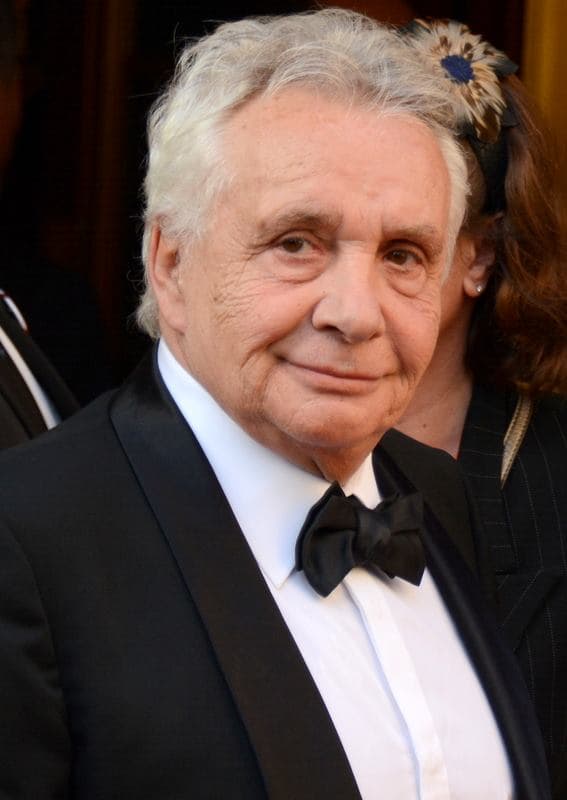
Shares traditional pop, pop rock, soft rock (subgenres); studio polished, maximalist (production style)
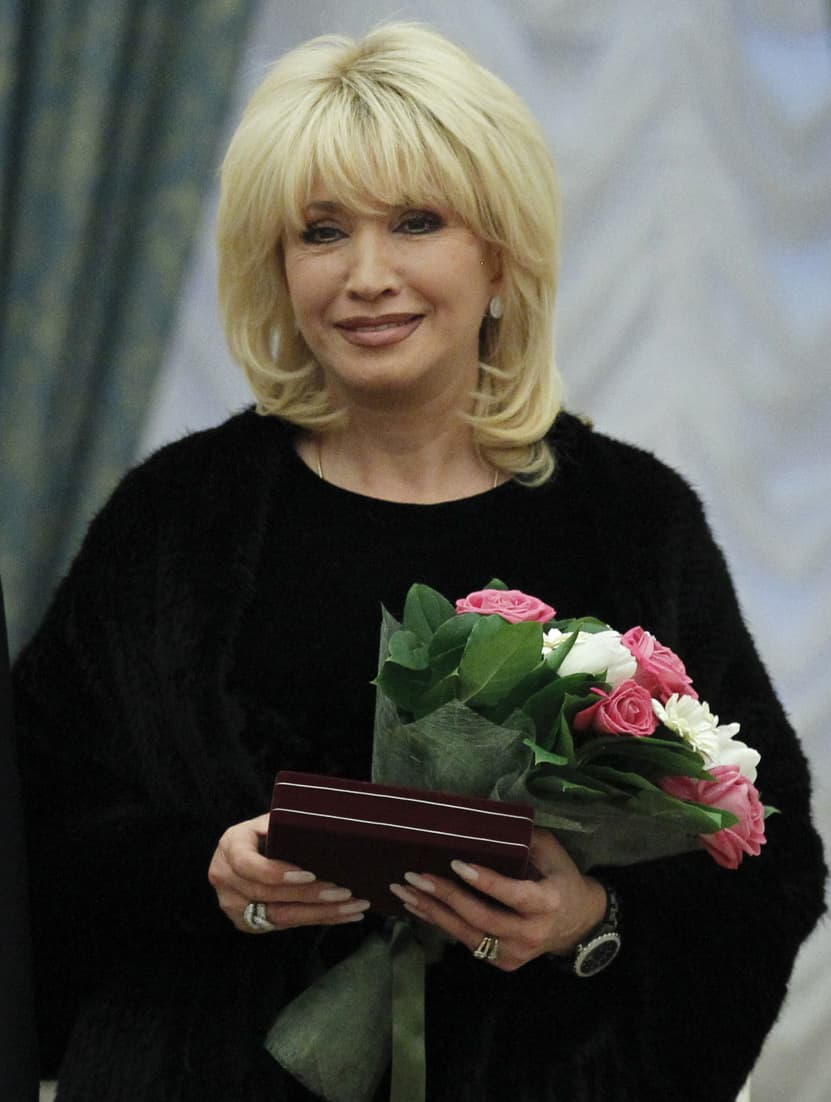
Shares studio polished, maximalist, analog warmth (production style); defiant, melancholic, empowering (moods)
Shares traditional pop, pop rock, soft rock (subgenres); electric guitar, piano, drums (instrumentation)
Cassette uses generative AI to enrich its catalog. How we use AI →