Katja Ebstein
Grand, theatrical German pop with a humanist heart. Orchestral arrangements meet a powerful alto voice for moments of pure, sophisticated nostalgia.
Grand, theatrical German pop with a humanist heart. Orchestral arrangements meet a powerful alto voice for moments of pure, sophisticated nostalgia.
Katja Ebstein occupies a space where the glitz of the Eurovision stage meets the intellectual depth of German cabaret. Her music is characterized by a rich, warm alto voice that carries both a sense of grand optimism and a touch of theatrical melancholy. It is polished, professional, and deeply rooted in the golden era of European pop orchestration, where live strings and brass sections provided a lush bed for storytelling.
What sets Ebstein apart is her ability to elevate the Schlager genre into something more akin to high-art Chanson. While her contemporaries often leaned into simple kitsch, her collaborations with composer Christian Bruhn introduced complex arrangements and lyrics that touched on environmentalism, social unity, and the human condition. There is a distinct 'theatrical' quality to her work - most literally in her hit 'Theater' - where she adopts the persona of a performer reflecting on life as a stage.
For those new to her catalog, the essential starting point is her Eurovision trilogy. These songs represent the pinnacle of 1970s German pop production. They are anthemic without being aggressive, offering a comforting yet sophisticated sound that feels like a bridge between the traditional pop of the past and the more experimental singer-songwriter movements of the late 20th century.
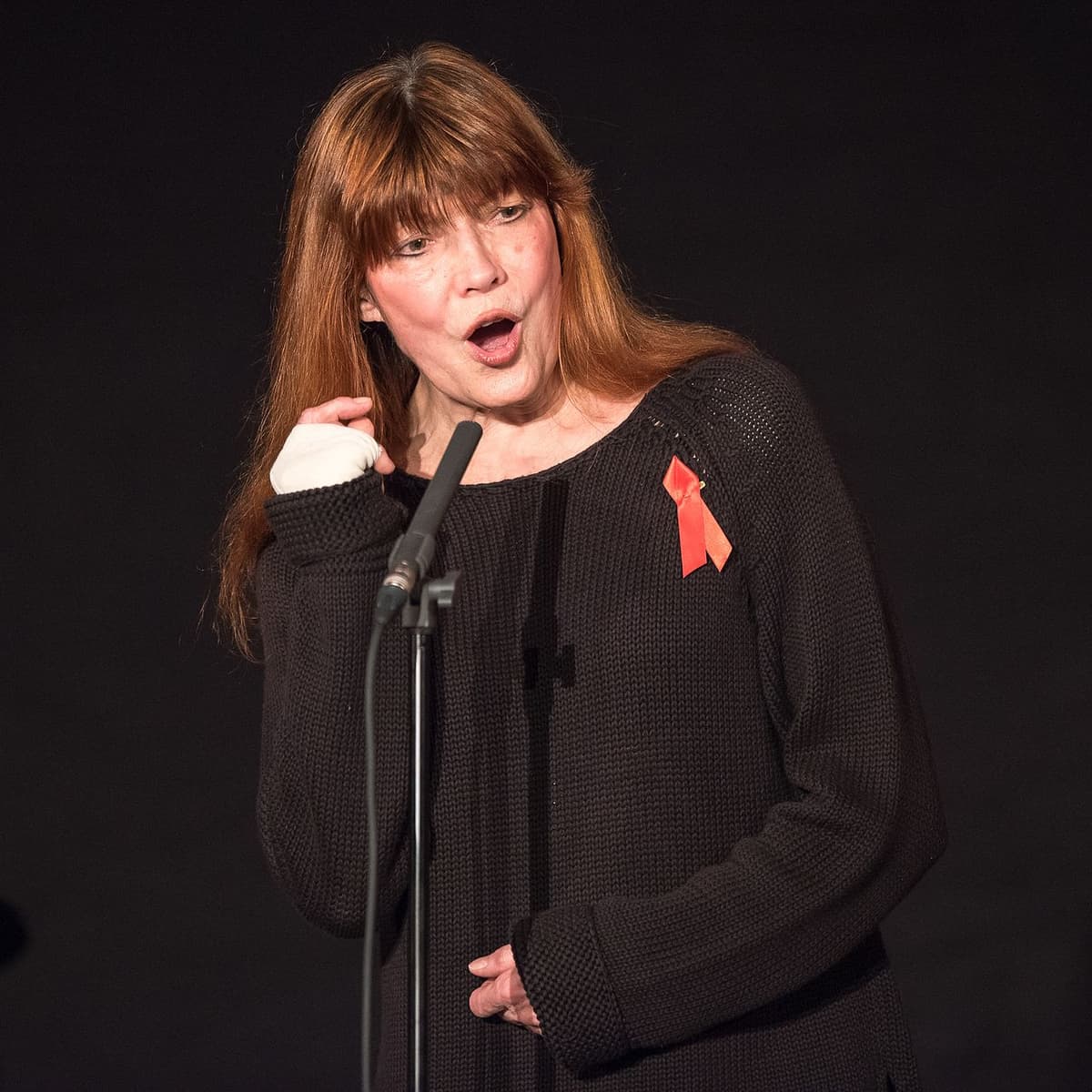
Katja Ebstein (born Karin Witkiewicz; 9 March 1945) is a German singer. She was born in Girlachsdorf (now Gniewków, Poland). She achieved success with songs such as "Theater" and "Es war einmal ein Jäger". She was married to Christian Bruhn, who wrote many of her songs. Ebstein represented Germany at the Eurovision Song Contest three times, in 1970, 1971 and 1980. She also took part in Ein Lied für Stockholm in 1975 with the song "Ich liebe dich", placing 5th in the selection. Her best performance was in 1980 when she gained second place with the entry "Theater", her other two songs "Wunder gibt es immer wieder" and "Diese Welt" each came to third places. As noted by John Kennedy O'Connor in his book The Eurovision Song Contest – The Official History, Ebstein is the most successful performer to have taken part in the contest without ever winning. She is the only singer to appear in the top three on three occasions, without winning.
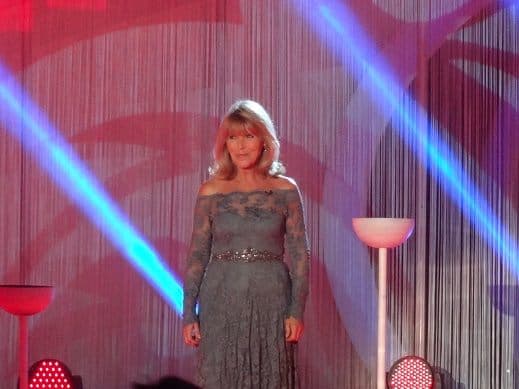
Shares traditional pop, baroque pop, soft rock (subgenres); orchestral arrangement, studio polished, analog warmth (production style)
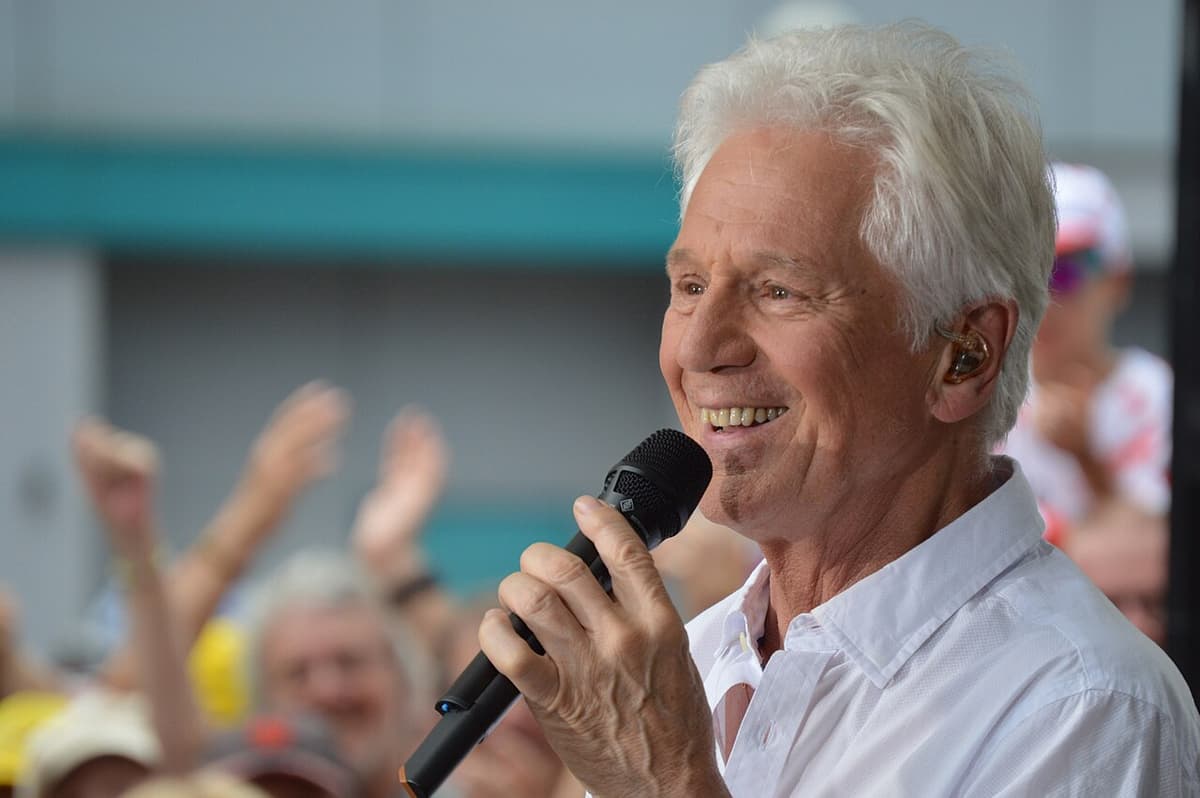
Shares traditional pop, baroque pop, soft rock (subgenres); orchestral arrangement, studio polished, analog warmth (production style)

Shares traditional pop, baroque pop, soft rock (subgenres); orchestral arrangement, studio polished, analog warmth (production style)
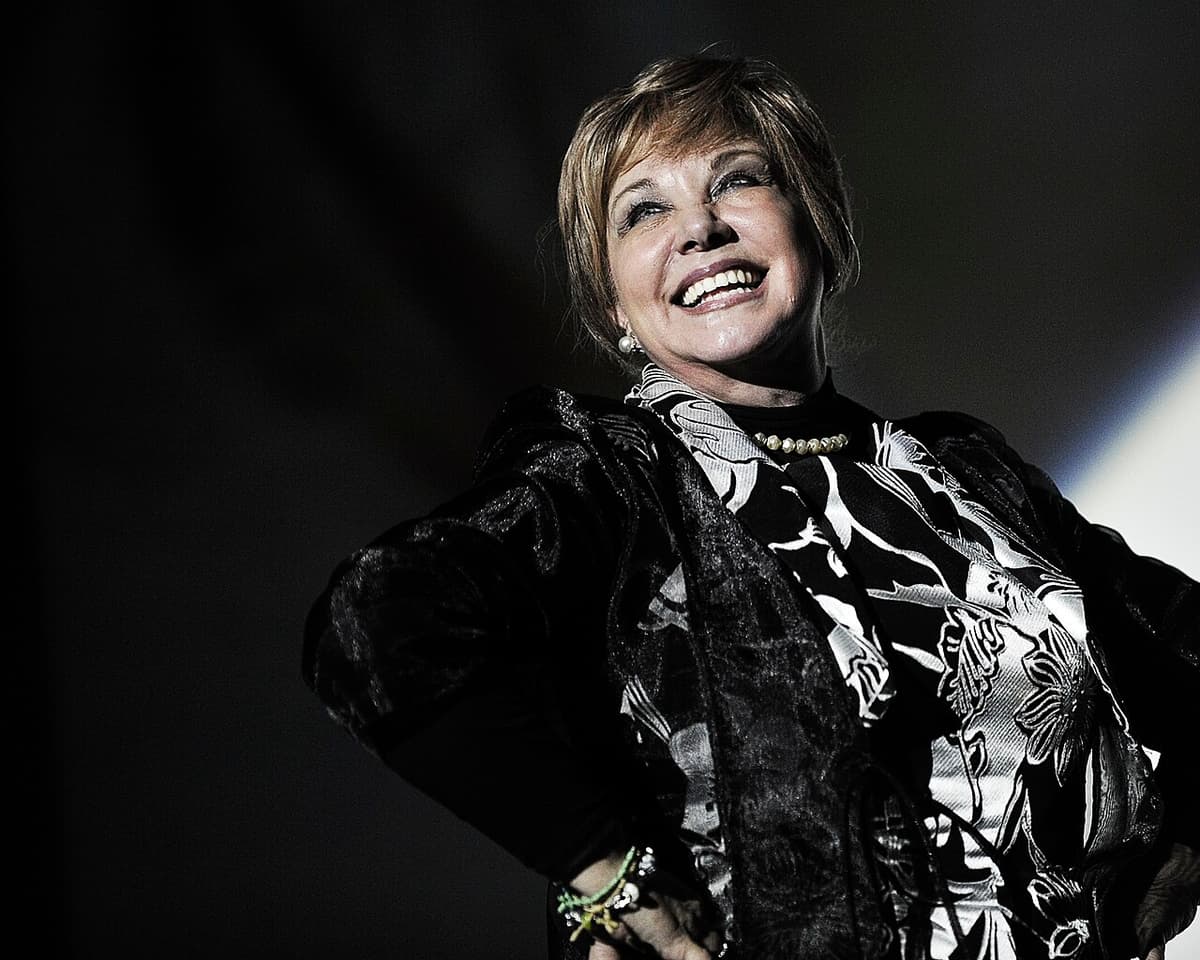
Shares traditional pop, baroque pop, soft rock (subgenres); orchestral arrangement, studio polished, analog warmth (production style)

Shares traditional pop, baroque pop (subgenres); orchestral arrangement, studio polished, analog warmth (production style)
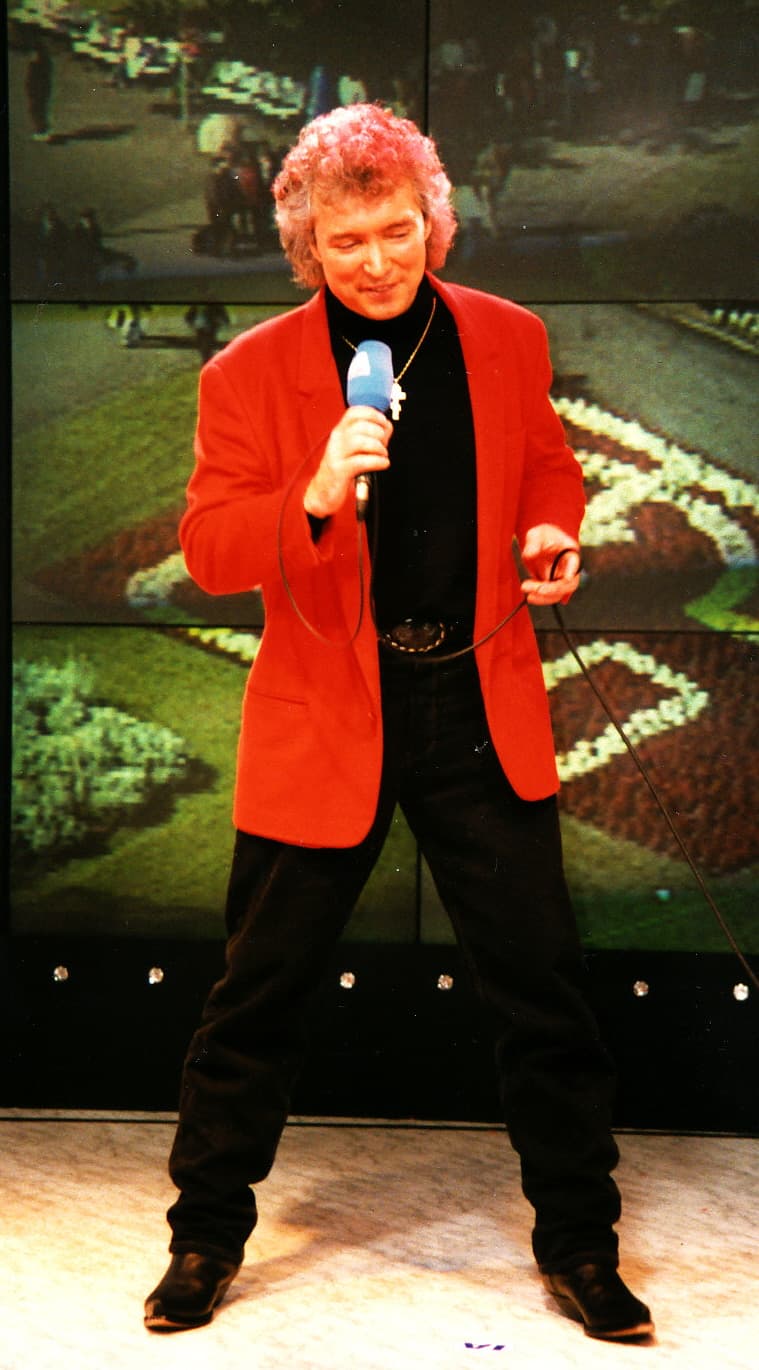
Shares traditional pop, baroque pop, soft rock (subgenres); orchestral arrangement, studio polished, analog warmth (production style)
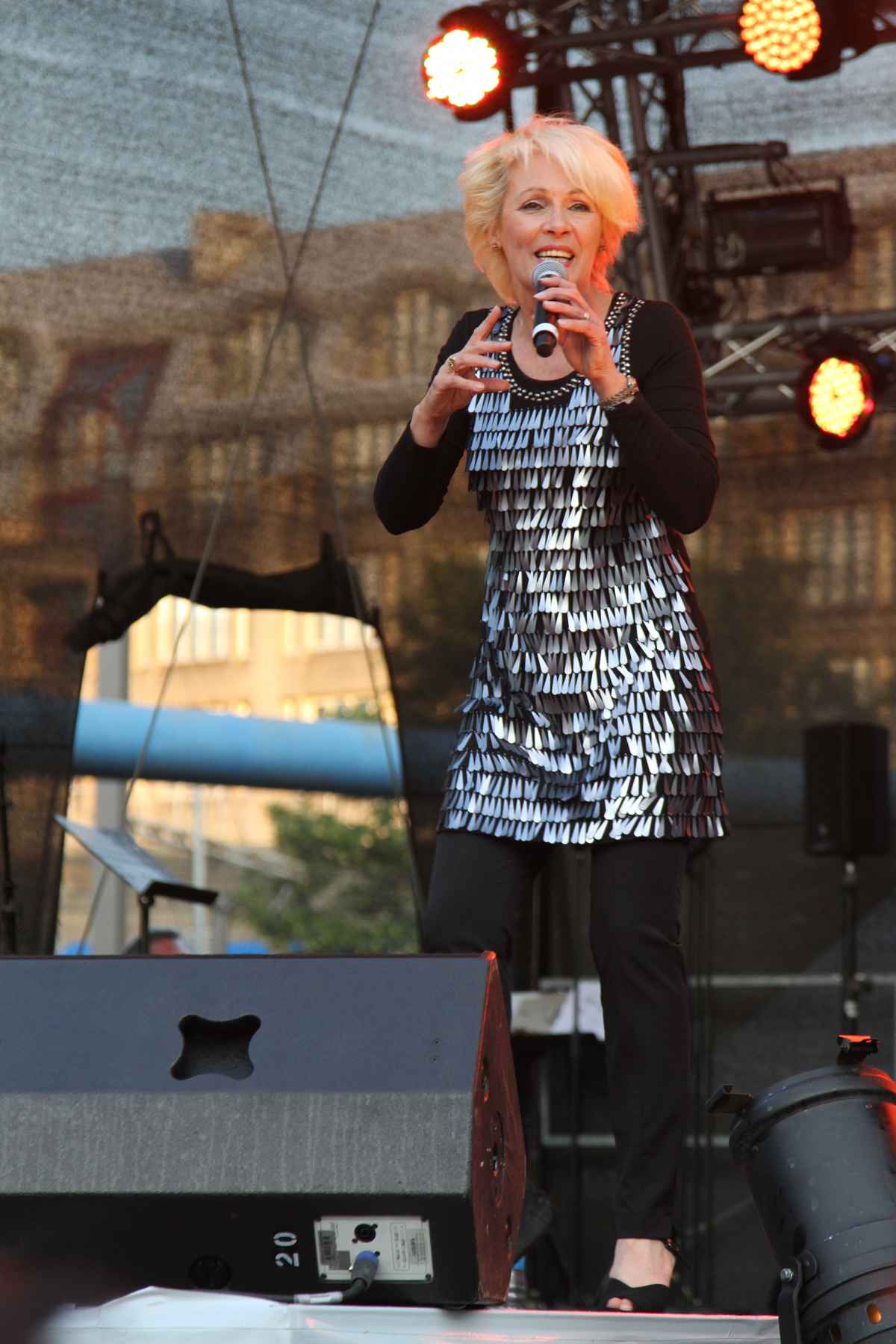
Shares orchestral arrangement, studio polished, analog warmth (production style); traditional pop, soft rock (subgenres)
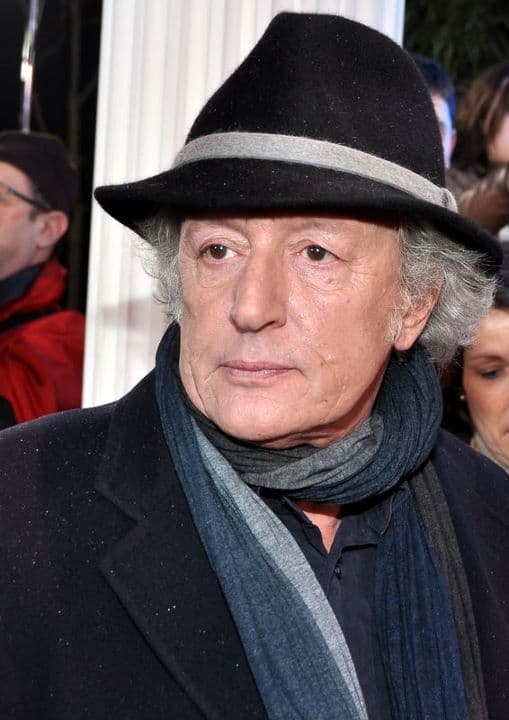
Shares traditional pop, baroque pop, soft rock (subgenres); orchestral arrangement, studio polished, analog warmth (production style)
Shares traditional pop, soft rock (subgenres); orchestral arrangement, studio polished, analog warmth (production style)
Cassette uses generative AI to enrich its catalog. How we use AI →