Kenny Nolan’s music is the sonic equivalent of a soft-focus lens. It is characterized by a high-gloss, mid-70s production sheen where every instrument is bathed in a warm, analog glow. His songs often feature gentle Rhodes piano, swelling string arrangements, and a rhythm section that provides a steady but unobtrusive heartbeat. It is music that prioritizes melody and emotional sincerity above all else, creating a space that feels safe, nostalgic, and deeply comforting.
What sets Nolan apart is his impeccable songwriter’s instinct. While his solo work leans into the 'Easy Listening' or 'Mellow Gold' categories, his background writing massive hits for others - ranging from the funk of Labelle to the blue-eyed soul of Frankie Valli - infuses his own ballads with a sophisticated harmonic structure. His vocal delivery is notably breathy and intimate, sounding as if he is whispering his romantic confessions directly into the listener's ear.
Start with the 1977 self-titled album or the hit 'I Like Dreamin'. These recordings capture the quintessential Nolan experience: a blend of sophisticated pop craftsmanship and the kind of earnest, starry-eyed romanticism that defined the softer side of the 1970s charts.
Kenneth "Kenny" Nolan (born September 30, 1949) is an American singer-songwriter from Los Angeles. He is best remembered for the 1976–77 song "I Like Dreamin'", which he wrote and performed; it reached No. 3 on the Billboard Hot 100 and No. 4 on the Easy Listening chart. He wrote "Swing Your Daddy", which became a 1975 hit for Jim Gilstrap, reaching No.4 in the UK Singles Chart and No.10 on the American Billboard Black Music chart of that year. Nolan also co-wrote several hits with Bob Crewe, including Frankie Valli's "My Eyes Adored You" and Labelle's "Lady Marmalade." Both of these hit songs hit #1 on Billboard Magazine's Hot 100 Chart in March of 1975. Of note, "My Eyes Adored You" hit #1 on March 22, 1975 and the very next week, "Lady Marmalade" hit #1 on March 29, 1975. This marked one of the few times in chart history when the same songwriter(s) had back-to-back hits at #1 (John Lennon and Paul McCartney of The Beatles, Holland-Dozier-Holland of Motown fame, and The Bee Gees have accomplished this feat).


Shares soft rock, traditional pop, contemporary r&b (subgenres); studio polished, analog warmth, orchestral arrangement (production style)
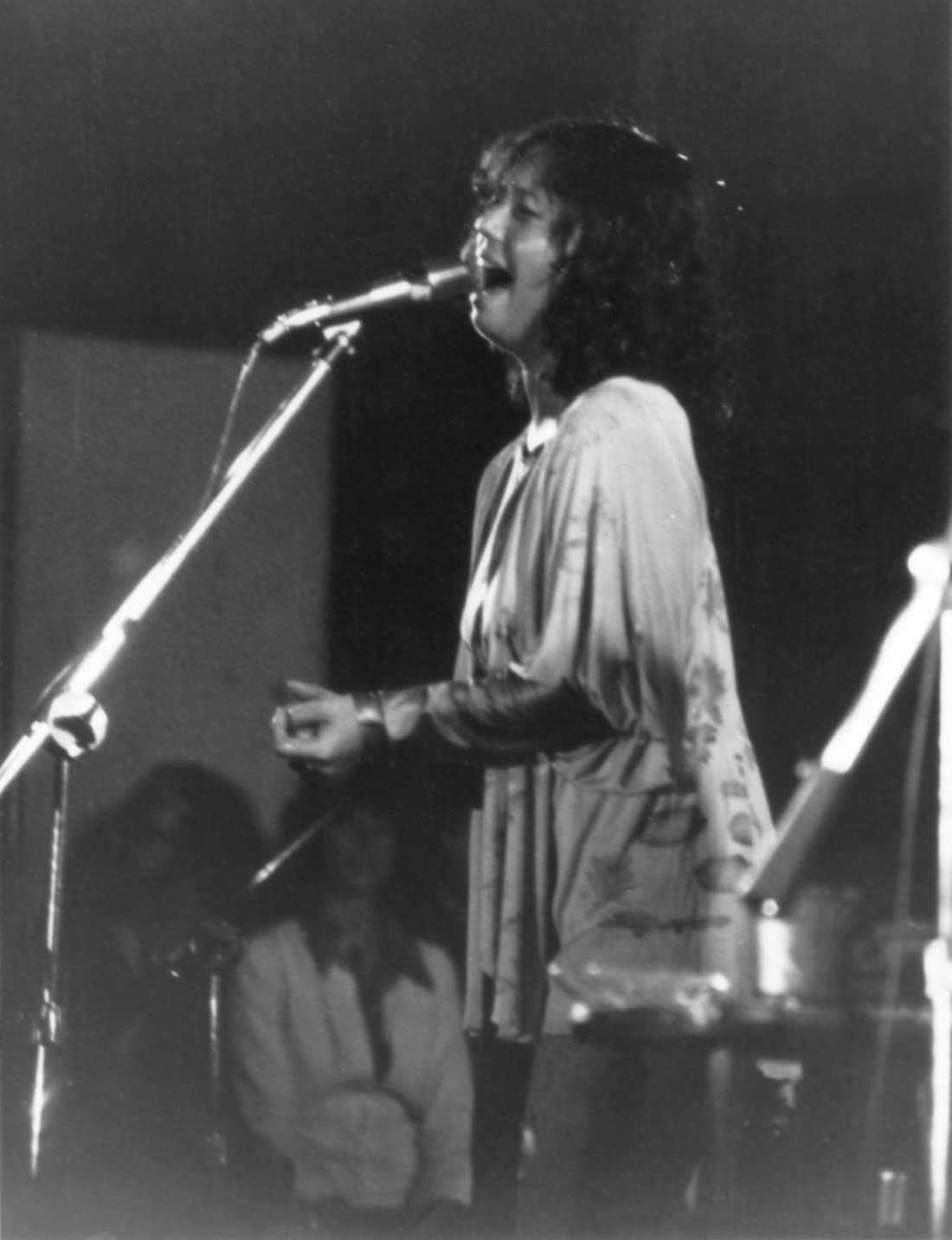
Shares soft rock, traditional pop, disco (subgenres); studio polished, analog warmth, orchestral arrangement (production style)
Shares studio polished, analog warmth, orchestral arrangement (production style); soft rock, traditional pop, disco (subgenres)
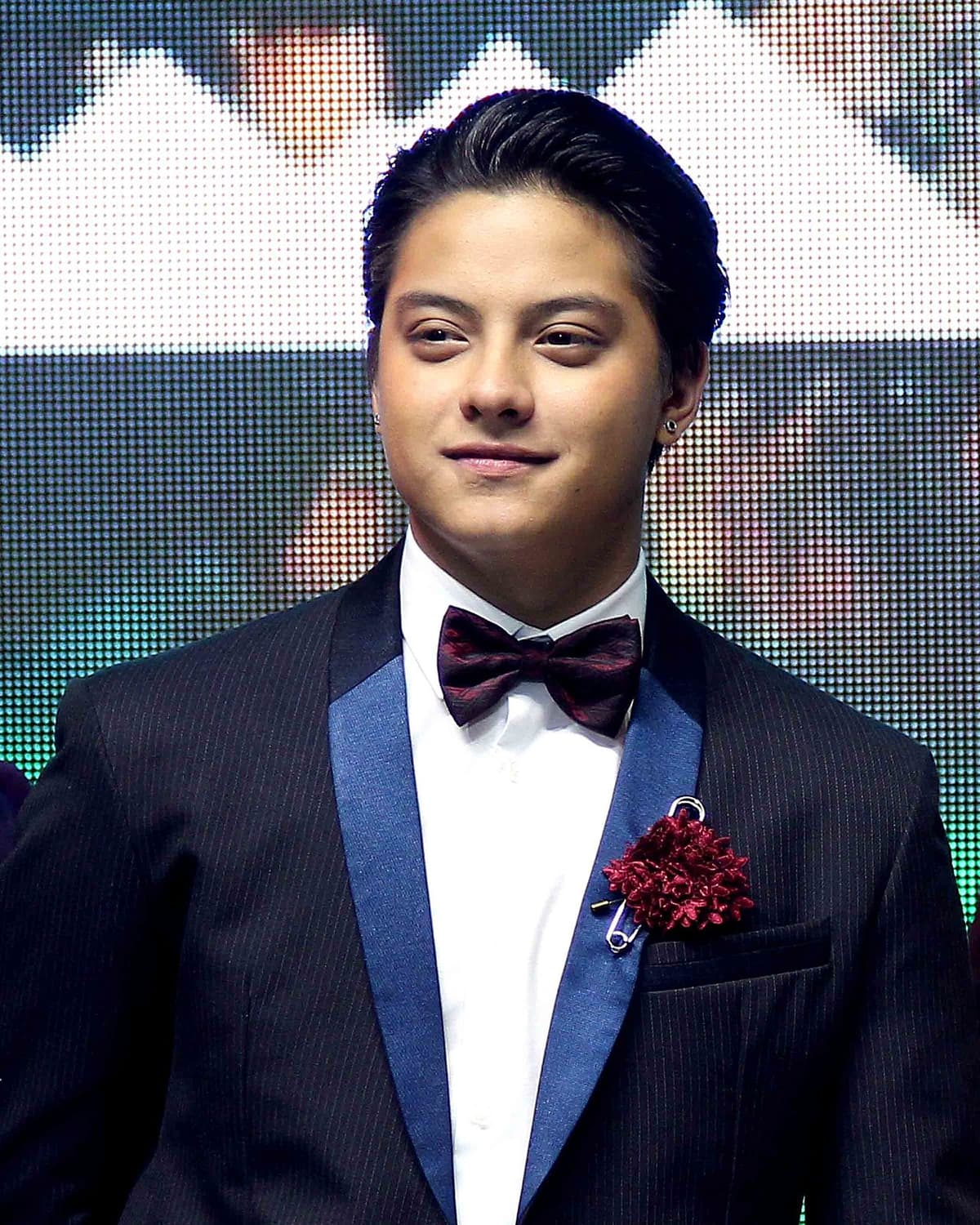
Shares studio polished, analog warmth, orchestral arrangement (production style); soft rock, traditional pop, contemporary r&b (subgenres)
Shares traditional pop, soft rock, contemporary r&b (subgenres); studio polished, analog warmth, orchestral arrangement (production style)
Shares soft rock, traditional pop, contemporary r&b (subgenres); studio polished, analog warmth, orchestral arrangement (production style)
Shares traditional pop, soft rock, contemporary r&b (subgenres); studio polished, analog warmth, orchestral arrangement (production style)

Shares soft rock, traditional pop, contemporary r&b (subgenres); studio polished, analog warmth, orchestral arrangement (production style)
Shares studio polished, analog warmth, orchestral arrangement (production style); crooning, breathy, gentle (vocal style)
Shares soft rock, traditional pop, disco (subgenres); studio polished, analog warmth, orchestral arrangement (production style)
Shares soft rock, sentimental, traditional pop, tender (signature)
Cassette uses generative AI to enrich its catalog. How we use AI →