Kings of Leon
Gritty Southern drawls meeting shimmering arena-rock polish. Anthemic, guitar-driven songs for long drives and late-night reflections.
Gritty Southern drawls meeting shimmering arena-rock polish. Anthemic, guitar-driven songs for long drives and late-night reflections.
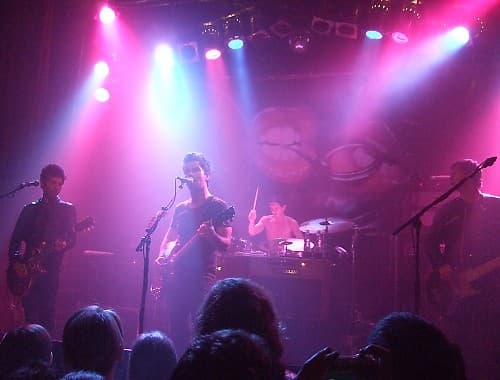
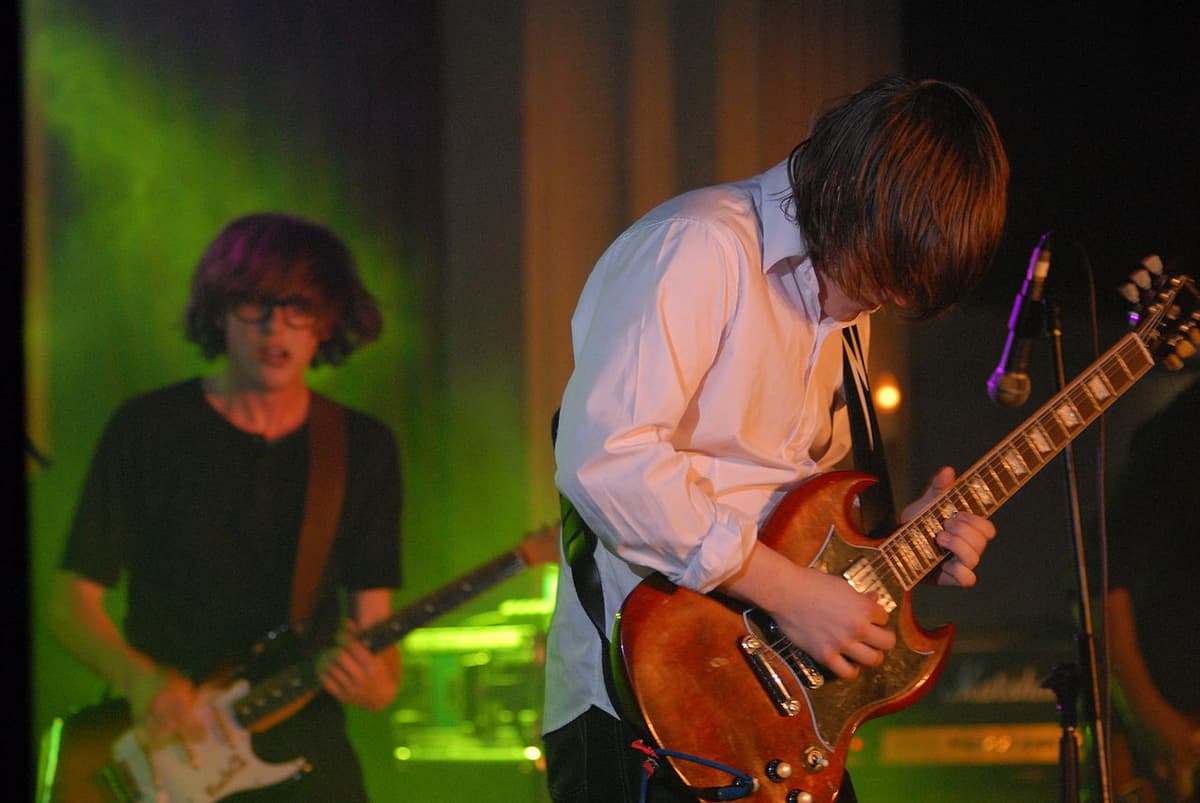
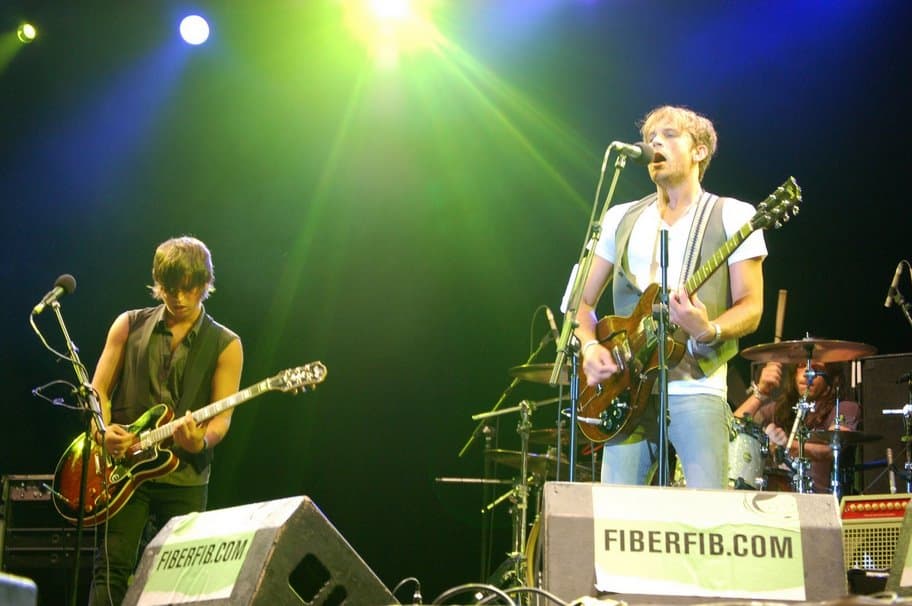
Formed by three brothers and their cousin, Kings of Leon emerged from Tennessee as a tight-knit family unit bound by a shared upbringing.
The band, consisting of Caleb, Nathan, Jared, and Matthew Followill, came together in 1999, initially translating their Southern roots into a raw blend of garage rock and blues. Led by Caleb's distinctive, gravelly vocals, the quartet built their early reputation on scruffy, high-energy guitar music before expanding their sound into the sweeping, anthemic alternative rock that filled arenas worldwide.

A dust-caked, hyper-kinetic collision of Pentecostal upbringing and road-worn hedonism introduces a band operating with fierce, unpolished urgency. Recorded with producer Ethan Johns, the songs trade in thin, interlocking guitar lines that rattle with the speed of a garage-revival unit, yet the underlying swing is pure, swampy blues. Caleb Followill's vocals are a slurred, raspy growl that prioritizes raw texture over lyrical clarity, delivering a claustrophobic energy that feels captured just before the band could learn to be self-conscious.

It's like a Southern-fried version of The Strokes, but with more whiskey and actual dirt under its fingernails.
Twitching garage rock with a Southern drawl. Jagged guitars and whiskey-soaked vocals capture the frantic energy of youth and the quiet ache of the morning after.

Cavernous, reverb-drenched spaces replace the tight, dry rooms of the band's past, signaling a dramatic expansion into cinematic alternative rock. This third outing trades jittery garage-punk for a dark, Southern Gothic atmosphere where towering guitar textures and brooding, restless tempos stretch the songs into expansive, atmospheric shapes. The vocal performance shifts from a slurred mumble into a piercing, desperate howl, capturing a group that is suddenly too vast for small clubs but still haunted by the shadows of their origins.
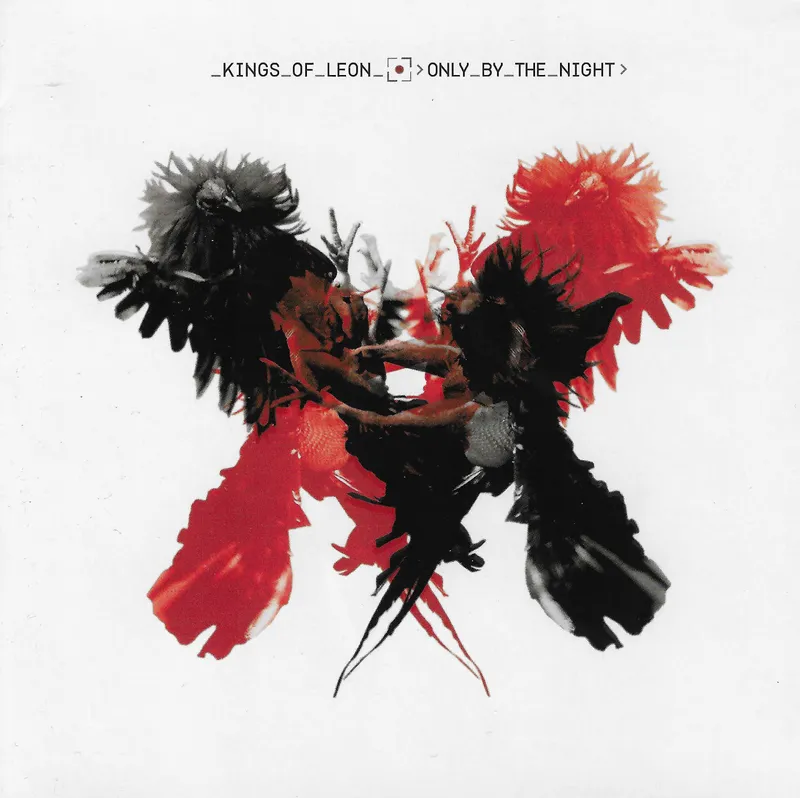
A massive, widescreen scale transforms the band's sound into a nocturnal, stadium-sized spectacle. Recorded at Nashville's Blackbird Studio, the album trades the last remaining edges of Southern grit for shimmering, delay-soaked guitar textures and a polished, high-fidelity sheen. Caleb's vocals find a new, soaring clarity amidst the cavernous delay, anchoring a moody, late-night atmosphere that feels engineered for the largest possible spaces.

It's the sound of the biggest rock band in the world heading back to Tennessee to watch the sunset.
A sun-drenched retreat into Southern roots and warm, reverb-heavy textures. Less aggressive than their debut, more atmospheric than their radio hits.

It's the sound of the band finally having fun again in a room together.
A self-assured blend of dusty Southern grit and polished arena hooks. It captures the band looking backward to move forward, trading stadium gloss for a warmer, lived-in rock sound
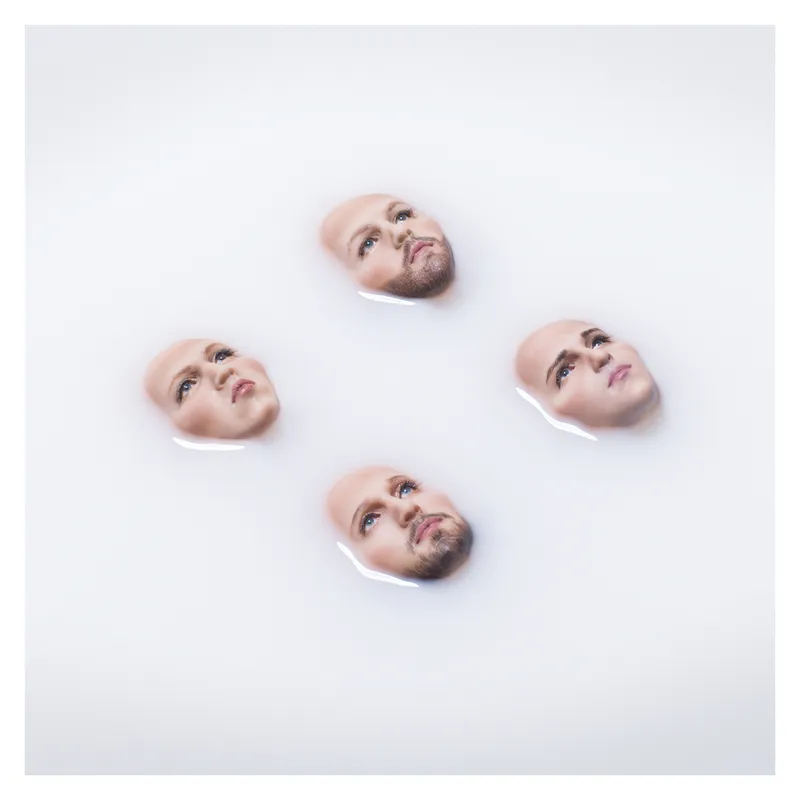
It's the Kings of Leon album that finally traded the whiskey for a sunset on the coast.
Polished arena rock with a reflective, sun-soaked heart. Shimmering guitars and raspy vocals meet a cleaner, more melodic production style.

It's the band's 'grown-up' record, full of warm synths and late-night driving vibes.
A patient, atmospheric pivot toward vintage synthesizers and mid-tempo grooves. Shimmering Southern rock for quiet reflections and long, hazy drives.
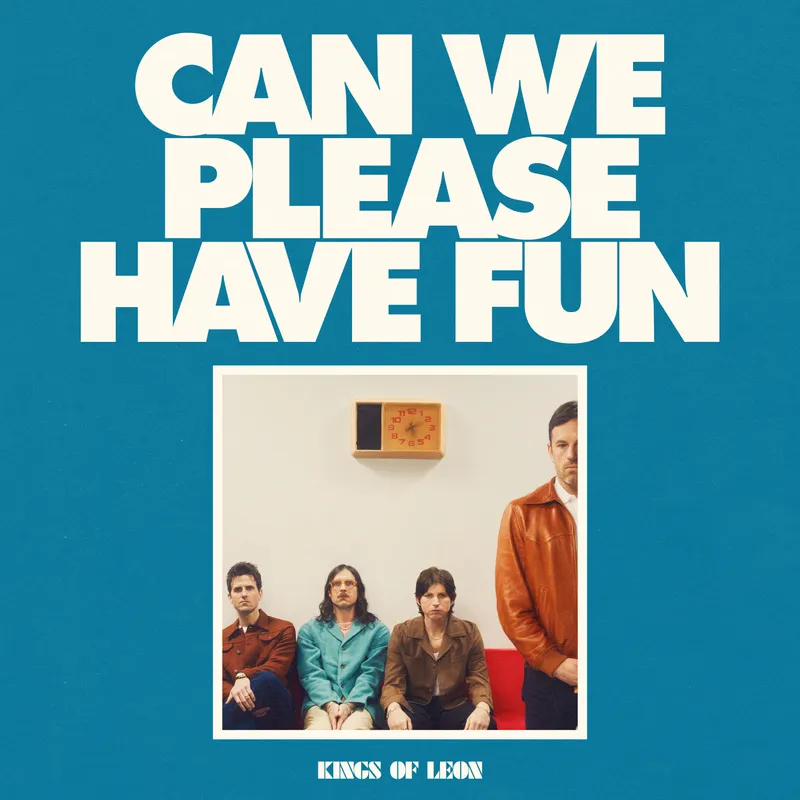
It's the Kings of Leon finally letting their hair down and playing with the wiry energy of a garage band again.
Jagged post-punk basslines meet shimmering synth-pop textures. A record that trades arena-rock anthems for a loose, playful, and surprisingly experimental grit.
The Followill clan remains a steady, active institution, having successfully traded the frantic friction of their youth for a durable, long-running career.
No longer burdened by the crushing pressure to replicate their late-2000s commercial peak, their recent work displays a relaxed willingness to experiment with lighter textures and vintage grooves. While their catalog is undeniably top-heavy, split between early garage-revival heat and massive radio anthems, their ability to settle into a comfortable, restless longevity proves they are far more than a relic of the indie-rock boom.
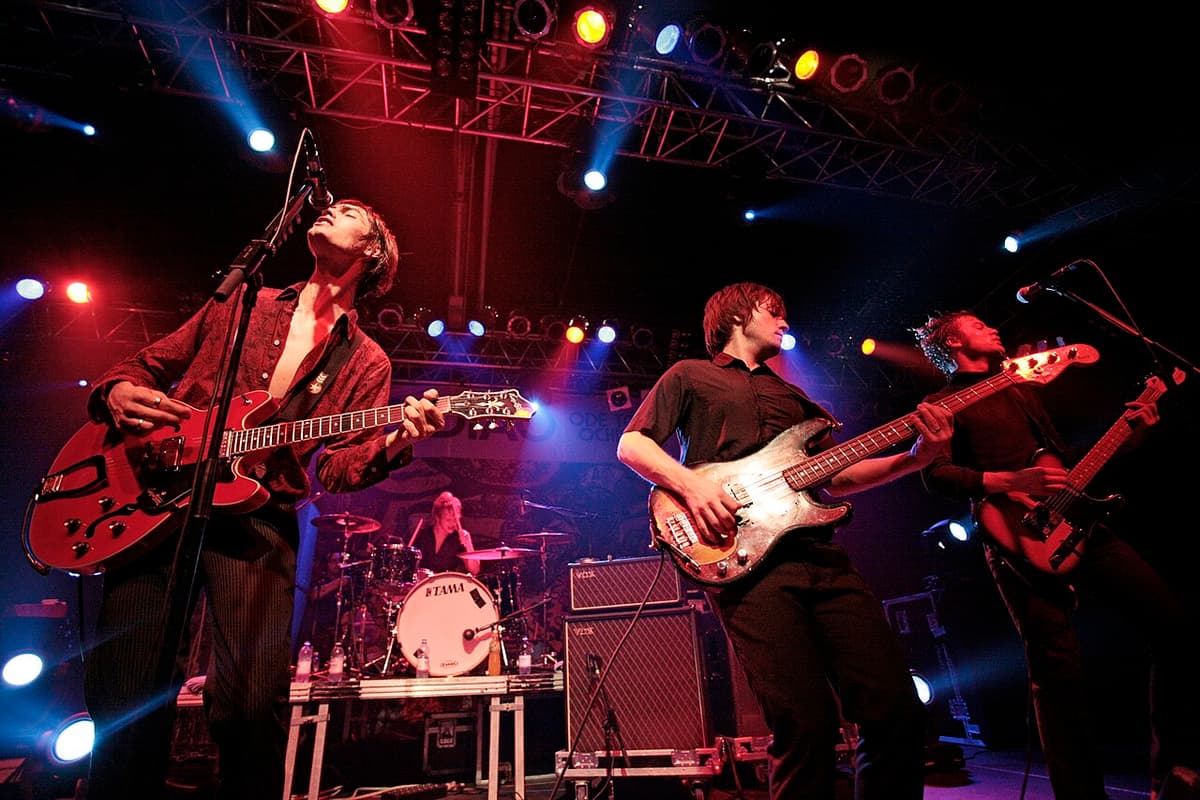
Shares alternative rock, indie rock, garage rock (subgenres); studio_polished, analog_warmth, lo_fi (production style)
Shares alternative rock, indie rock, garage rock (subgenres); nostalgic, defiant, energetic (moods)
Shares alternative rock, indie rock, garage rock (subgenres); studio_polished, analog_warmth, reverb_heavy (production style)
Shares indie rock, alternative rock, post-punk (subgenres); studio_polished, analog_warmth, reverb_heavy (production style)
Shares alternative rock, indie rock, garage rock (subgenres); studio_polished, analog_warmth, reverb_heavy (production style)
Shares indie rock, alternative rock, post-punk (subgenres); nostalgic, defiant, melancholic (moods)
Shares alternative rock, indie rock, garage rock (subgenres); studio_polished, analog_warmth, lo_fi (production style)
Shares alternative rock, indie rock, garage rock (subgenres); electric guitar, drums, bass (instrumentation)
Cassette uses generative AI to enrich its catalog. How we use AI →