Koes Plus
Sun-drenched Indonesian garage rock and jangly pop harmonies. It feels like a vintage postcard from Jakarta, blending Beatles-esque hooks with warm analog grit.
Sun-drenched Indonesian garage rock and jangly pop harmonies. It feels like a vintage postcard from Jakarta, blending Beatles-esque hooks with warm analog grit.
Koes Plus sounds like the golden age of Indonesian pop, where the raw energy of 1960s garage rock meets the sweetness of traditional melodies. Their music is defined by a warm, analog fuzz and vocal harmonies that feel both effortless and deeply resonant. It is the sound of a band discovering the electric guitar while keeping one foot in the rhythmic sensibilities of their homeland.
What makes them truly distinctive is the 'stripped-down' quality of their recordings. Because they often recorded quickly for television and radio, there is a primitive, urgent honesty to the tracks. You can hear the room, the slight imperfections in the drum takes, and the genuine chemistry of siblings who have played together since childhood. They managed to make rebellion sound incredibly catchy.
Start with 'Dheg Dheg Plas' to hear them at their most vital and influential. It captures the transition from their early 'forbidden' rock and roll roots into the pop icons they became. It is essential listening for anyone wanting to understand the DNA of modern Indonesian music.
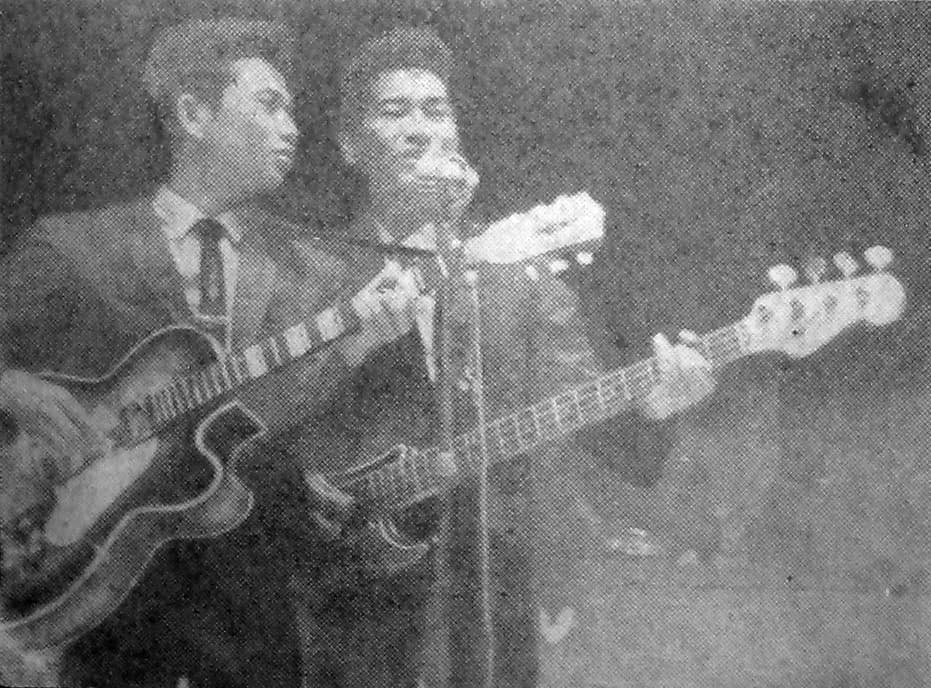
Koes Plus, formerly Koes Bersaudara (Koes Brothers), was an Indonesian musical group that was successful in the 1960s and 1970s. Known as one of Indonesia's classic musical acts, the band peaked in popularity in the days far before the advent of private television companies, delivering stripped-down pop and rock songs at the then-only TV station, TVRI. In 2007, the Rolling Stone Indonesia magazine placed 6 of the band's studio albums on their 150 Greatest Indonesian Albums of All Time list. Those being Dheg Dheg Plas (1969) at number 4, To The So Called The Guilties (1967) at number 6, Koes Bersaudara (1964) at number 14, Koes Plus Volume 2 (1970) at number 21, Koes Plus Volume 4 (1971) at number 30, and Koes Plus Volume 5 (1971) at number 38. In addition, the Rolling Stone put 10 of the band's songs on the 150 Greatest Indonesian Songs of All Time list. The songs are "Bis Sekolah" (1964) at number 4, "Kembali Ke Jakarta" (1969) at number 6, "Nusantara I" (1971) at number 19, "Kolam Susu" (1973) at number 31, "Bunga Di Tepi Jalan" (1971) at number 80, "Kelelawar" (1969) at number 83, "Manis dan Sayang" (1969) at number 88, "Pelangi" (1972) at number 92, "Jemu" (1975) at number 100 and "Di Dalam Bui" (1967) at number 126.
Shares garage rock, psychedelic rock, pop rock (subgenres); lo fi, analog warmth, live recording (production style)
Shares nostalgic, playful, wistful (moods); harmonized, gentle, crooning (vocal style)
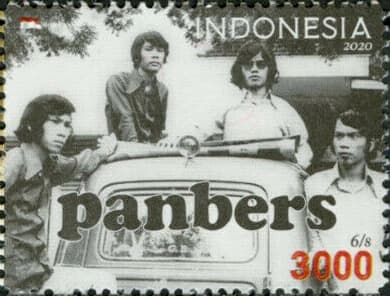
Shares garage rock, psychedelic rock, pop rock (subgenres); lo fi, analog warmth, live recording (production style)
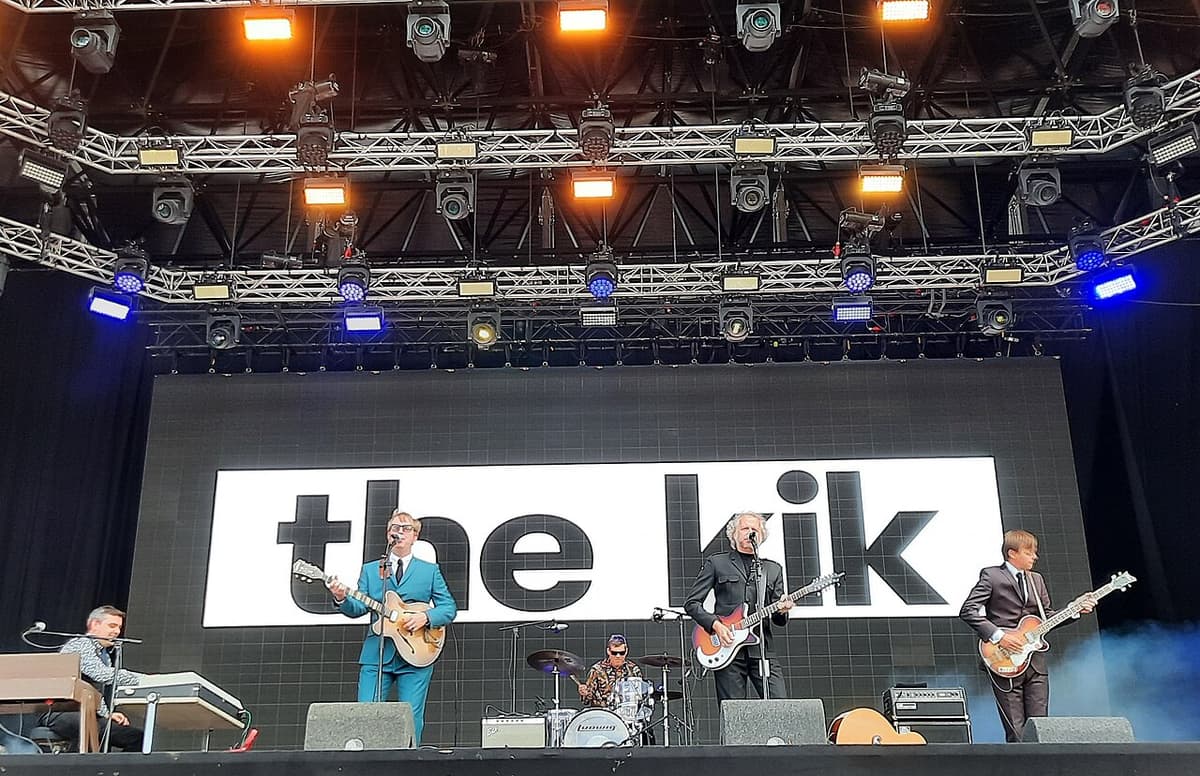
Shares harmonized, gentle, crooning (vocal style); sunday morning, road trip, coffee shop (atmosphere)
Shares garage rock, psychedelic rock, surf rock (subgenres); lo fi, analog warmth, stripped back (production style)
Shares lo fi, analog warmth, stripped back (production style); electric guitar, drums, bass (instrumentation)
Shares garage rock, psychedelic rock, surf rock (subgenres); lo fi, analog warmth, stripped back (production style)
Shares garage rock, psychedelic rock, pop rock (subgenres); lo fi, analog warmth, live recording (production style)
Shares harmonized, gentle, crooning (vocal style); surf rock, garage rock, traditional pop (subgenres)
Shares garage rock, organ, harmonized, pop rock (signature)
Shares garage rock, surf rock, harmonized, stripped back (signature)
Cassette uses generative AI to enrich its catalog. How we use AI →