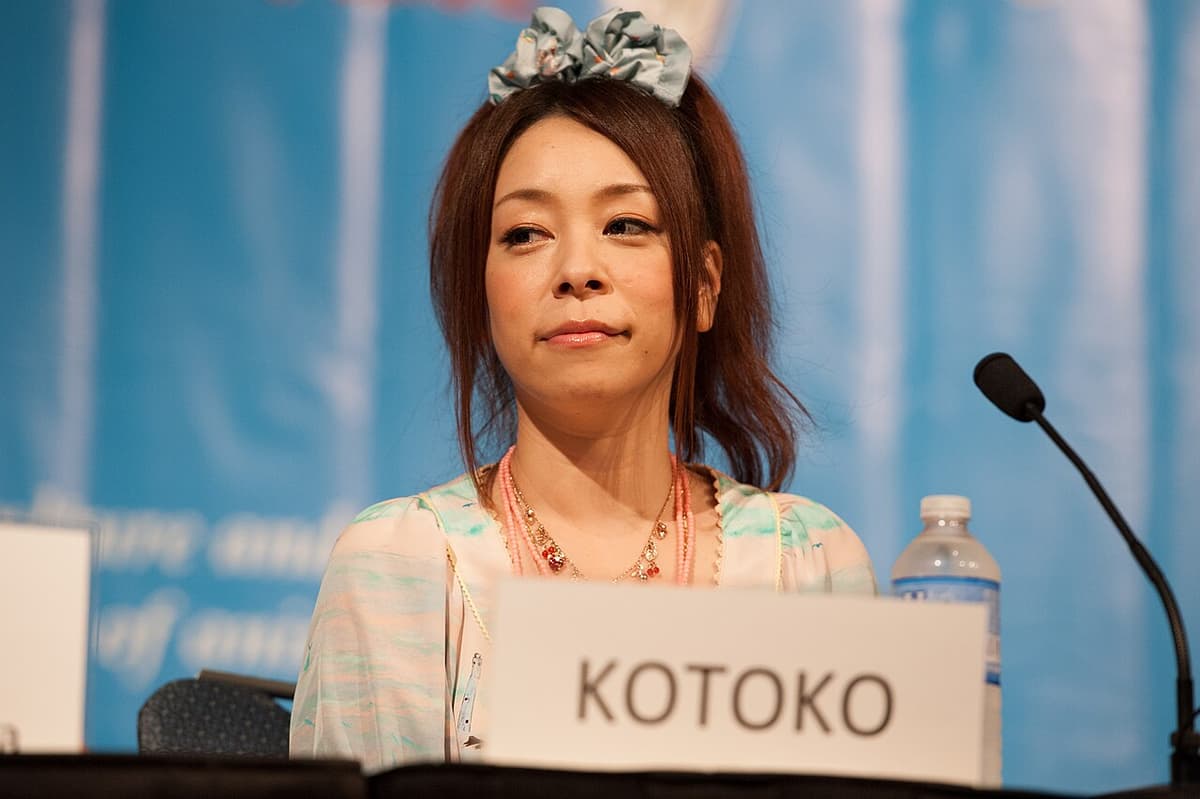
KOTOKO
High-velocity digital pop that fuses trance energy with crystalline vocals. The definitive sound of 2000s anime and gaming culture, polished to a neon sheen.
High-velocity digital pop that fuses trance energy with crystalline vocals. The definitive sound of 2000s anime and gaming culture, polished to a neon sheen.
KOTOKO is the sonic equivalent of a high-speed chase through a digital cityscape. Her music is defined by the 'I've Sound' production aesthetic: a dense, shimmering blend of late-90s trance, euro-techno, and rock. It is music that feels constantly in motion, driven by relentless four-on-the-floor beats and cascading synthesizer arpeggios that twinkle like data streams.
What truly sets her apart is the versatility of her soprano. She can pivot from the 'denpa' style - characterized by high-pitched, manic, and rhythmic vocal delivery - to sweeping, emotional power ballads without losing her signature digital edge. There is a specific 'plastic' perfection to the production that isn't a flaw, but a feature, creating a world that feels entirely separate from the organic world.
For a newcomer, the best entry point is her mid-2000s peak. Look for tracks that highlight the contrast between her sweet vocal tone and the aggressive, club-ready backing tracks. It is the perfect soundtrack for anyone looking to recapture the hyper-saturated, optimistic futurism of early-millennium Japanese pop culture.
Kotoko (stylized as KOTOKO, born January 19) is a Japanese J-pop musician, singer, and songwriter from Sapporo, Hokkaido. She began her singing career in 2000, debuting as a member of the trance group I've Sound and releasing her first mini-album Sora o Tobetara that same year. She was then signed to the Rondorobe record label from 2004 to 2010, under which she released the albums Hane, Garasu no Kaze, Uzu-Maki and Epsilon no Fune. She signed to Warner Home Video in 2011, and remained with the label until 2018. She is currently signed with NBCUniversal Entertainment Japan. Kotoko composes and writes lyrics (for herself as well as other singers in I've Sound) for numerous other song collections. She has contributed songs to numerous anime and video games including Please Teacher!, Maria-sama ga Miteru, Hourglass of Summer, Hayate the Combat Butler, Kannazuki no Miko, Shakugan no Shana, BlazBlue: Calamity Trigger, To Love-Ru, Accel World, Phantasy Star Online, Argevollen and Baldr Sky among others.
Shares digital clarity, maximalist, layered dense (production style); euphoric, energetic, nostalgic (moods)
Shares digital clarity, maximalist, layered dense (production style); urban night, festival, stargazing (atmosphere)
Shares techno, trance (subgenres); festival, urban night (atmosphere)
Shares digital clarity, maximalist, layered dense (production style); urban night, festival, stargazing (atmosphere)
Shares digital clarity, maximalist, layered dense (production style); trance, techno (subgenres)
Shares trance, techno (subgenres); urban night, festival, stargazing (atmosphere)
Shares digital clarity, maximalist, layered dense (production style); trance, electropop (subgenres)
Shares digital clarity, maximalist, studio polished (production style); energetic, euphoric, playful (moods)
Shares trance, techno (subgenres); digital clarity, maximalist, studio polished (production style)
Shares digital clarity, maximalist, layered dense (production style); urban night, festival, stargazing (atmosphere)
Shares trance, digital clarity, techno, euphoric (subgenre)
Shares trance, soprano, techno, electropop (subgenre)
Cassette uses generative AI to enrich its catalog. How we use AI →


