Light the Fire is a Dallas-based post-hardcore and metalcore outfit that emerged in the early 2010s, carving out a niche within the crowded Texas heavy music scene. Their sound identity is defined by a sophisticated blend of aggressive metalcore tropes, such as syncopated breakdowns and guttural vocals, and the melodic sensibilities of 2000s alternative rock.
Throughout their career, spanning from early releases like 'Note to Self' to their 2024-2025 output, they have maintained a high production standard characterized by digital clarity and dense layering. Critically, they are noted for their seamless integration of electronic textures, which adds a modern, 'glitchy' edge to their compositions. They occupy a cultural space alongside peers like Northern Ghost and Redeem/Revive, appealing to a demographic that values both technical intensity and emotional accessibility. Their evolution shows a move toward more cinematic arrangements, positioning them as a staple for listeners who seek the catharsis of hardcore with the polish of contemporary active rock.

Shares cathartic, post-hardcore, electronica, thunderstorm (signature)
Shares cathartic, post-hardcore, electronica, digital_clarity (signature)
Shares post-hardcore, electronica, thunderstorm, alternative metal (subgenre)
Shares cinematic synth underlays, cathartic, post-hardcore, thunderstorm (detail)
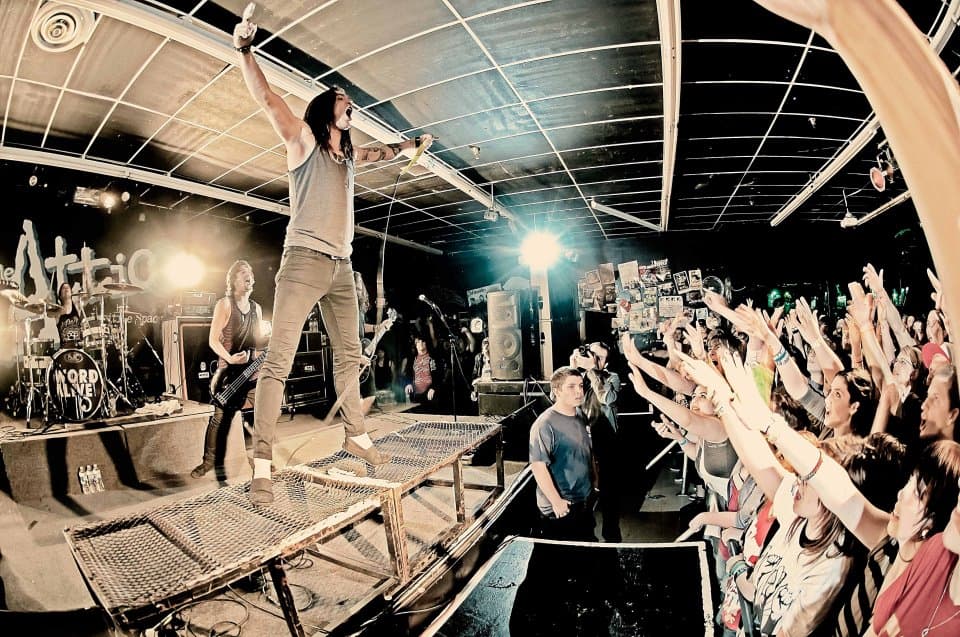
Shares dual-vocal dynamic contrast, melodic metalcore, glitchy electronic transitions, post-hardcore (detail)
Shares cathartic, post-hardcore, alternative metal, urgent (signature)
Shares cathartic, post-hardcore, thunderstorm, alternative metal (signature)
Shares cathartic, post-hardcore, thunderstorm, digital_clarity (signature)
Shares cathartic, post-hardcore, thunderstorm, alternative metal (signature)
Shares cathartic, post-hardcore, alternative metal, vulnerable (signature)
Cassette uses generative AI to enrich its catalog. How we use AI →