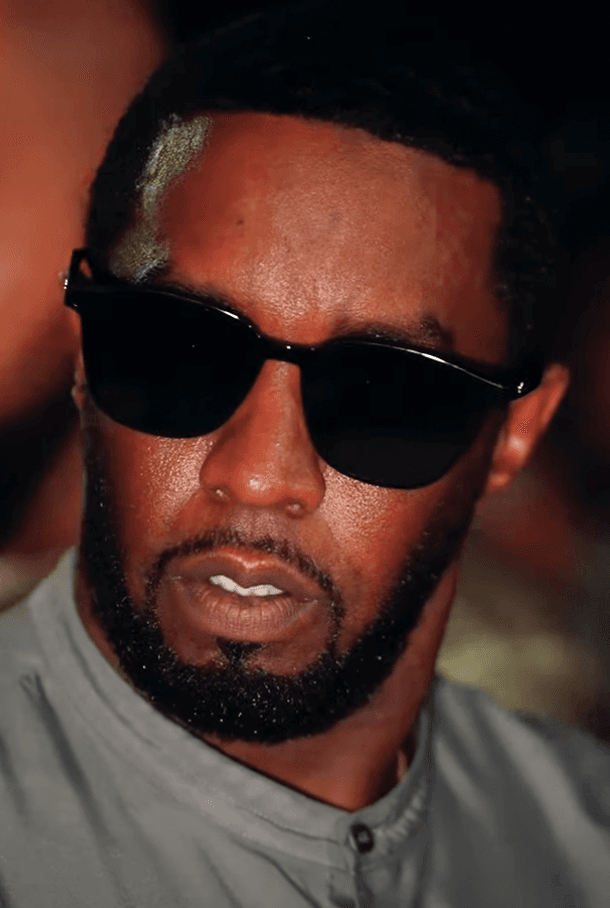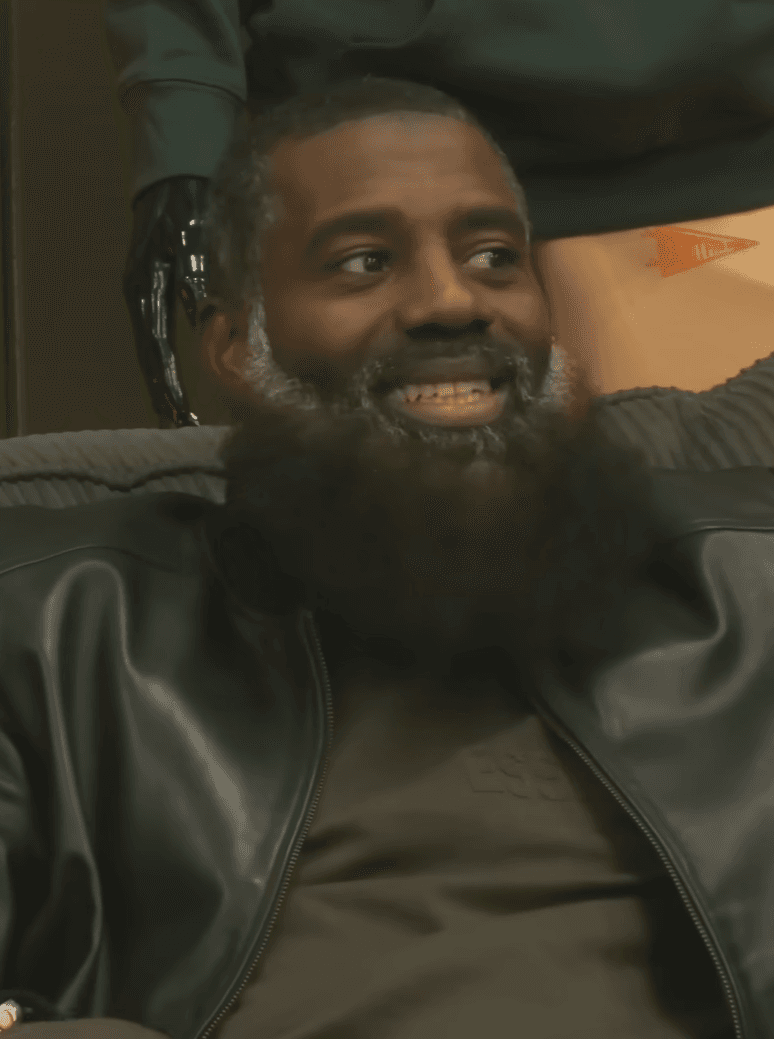
Loon
Silky, breathy rap flows over polished Bad Boy production. The sound of high-end early 2000s R&B crossover, built for late nights and city skylines.
Silky, breathy rap flows over polished Bad Boy production. The sound of high-end early 2000s R&B crossover, built for late nights and city skylines.
Loon embodies the peak of the 'Shiny Suit' era's transition into a smoother, more relaxed street elegance. His music is defined by a distinctively breathy, almost whispered delivery that prioritizes charisma and rhythm over aggressive projection. It is the sonic equivalent of expensive silk, moving with a fluid grace that feels both effortless and meticulously groomed.
What truly sets him apart is the way his voice sits within the mix. Unlike many of his contemporaries who fought against the beat, Loon often sounds like he is leaning back into the production, letting the lush R&B samples and crisp drum programming do the heavy lifting while he provides the cool, collected narrative. It is a masterclass in understated confidence.
For those looking to dive in, his 2003 self-titled debut is the essential starting point. It captures the high-gloss aesthetic of the Bad Boy Records empire at its commercial height, featuring the chart-topping collaborations that defined the sound of New York hip-hop in the early millennium.
Amir Junaid Muhadith (born Chauncey Lamont Hawkins; June 20, 1975), better known by his stage name Loon, is an American former rapper. He is best known for his work with fellow New York rapper Sean "Puff Daddy" Combs, having signed with his record label Bad Boy Records in 1999. Loon most notably guest appeared on Combs' 2002 singles "I Need a Girl (Part One)" and "I Need a Girl (Part Two)," which peaked at numbers two and four on the Billboard Hot 100, respectively. Prior, he formed the New York City-based hip hop group Harlem World in 1995, with whom he released one studio album—The Movement (1999)—before disbanding in 1999. As a solo act, Loon signed with Arista Records, and later Bad Boy Records that same year to release his eponymous debut studio album (2003). Despite mixed reviews, it was met with commercial success and peaked at number six on the Billboard 200. He then parted ways with the label in the following year due to his conversion to Islam, and released three independent albums until his retirement from recording altogether in 2009.
Shares pop rap, contemporary r&b, boom bap (subgenres); studio polished, hi fi, sample based (production style)
Shares studio polished, hi fi, sample based (production style); boom bap, contemporary r&b, pop rap (subgenres)
Shares pop rap, contemporary r&b, boom bap (subgenres); studio polished, sample based, analog warmth (production style)

Shares contemporary r&b, pop rap, boom bap (subgenres); urban night, rooftop, late night (atmosphere)
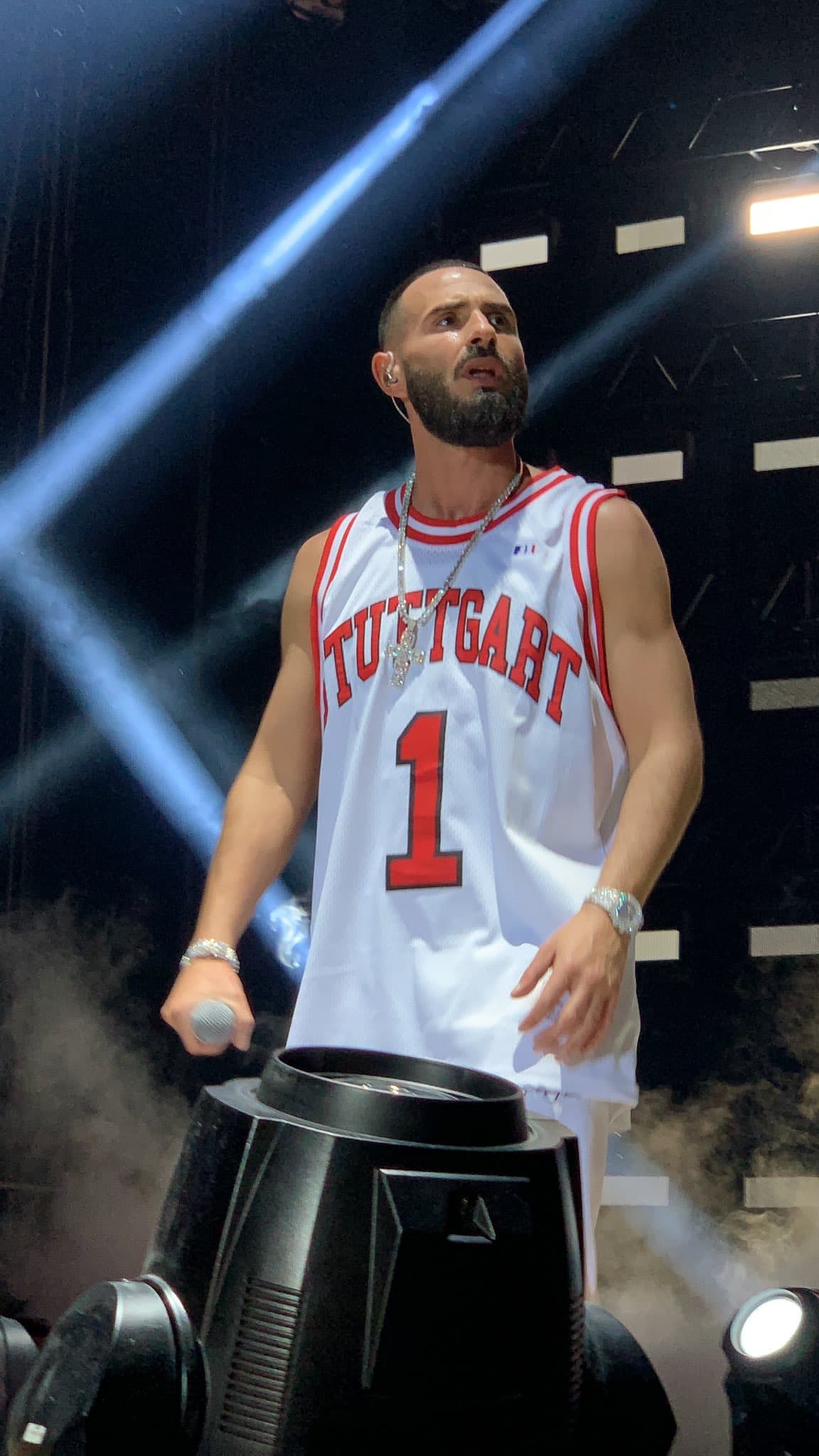
Shares studio polished, hi fi, sample based (production style); urban night, rooftop, late night (atmosphere)
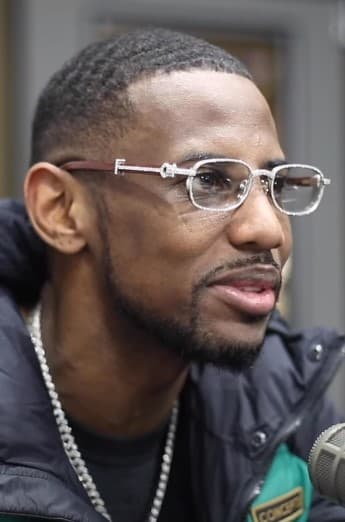
Shares studio polished, hi fi, sample based (production style); boom bap, contemporary r&b, pop rap (subgenres)
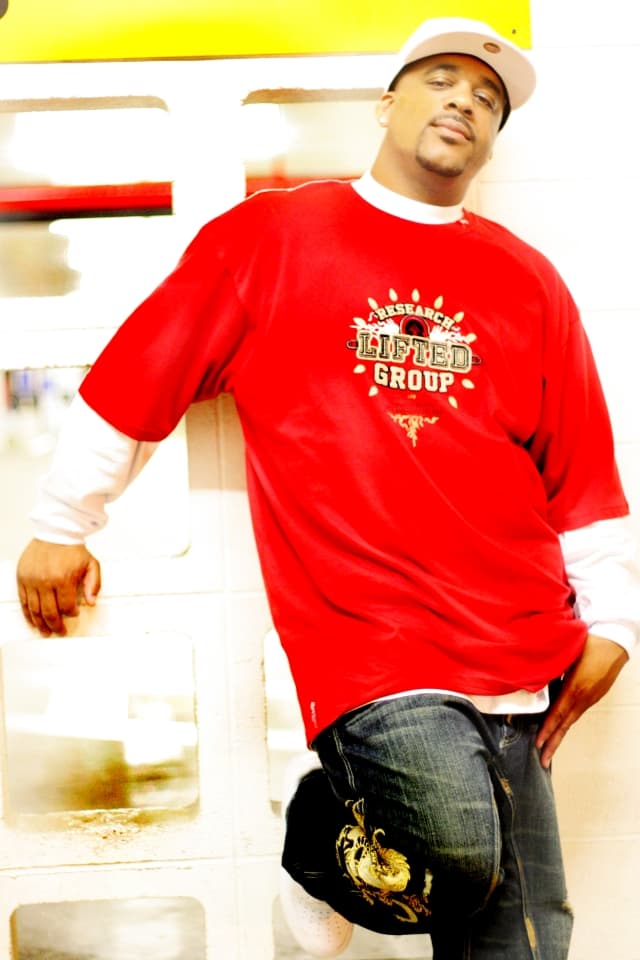
Shares pop rap, boom bap, contemporary r&b (subgenres); studio polished, sample based, analog warmth (production style)
Shares pop rap, contemporary r&b, boom bap (subgenres); urban night, rooftop (atmosphere)
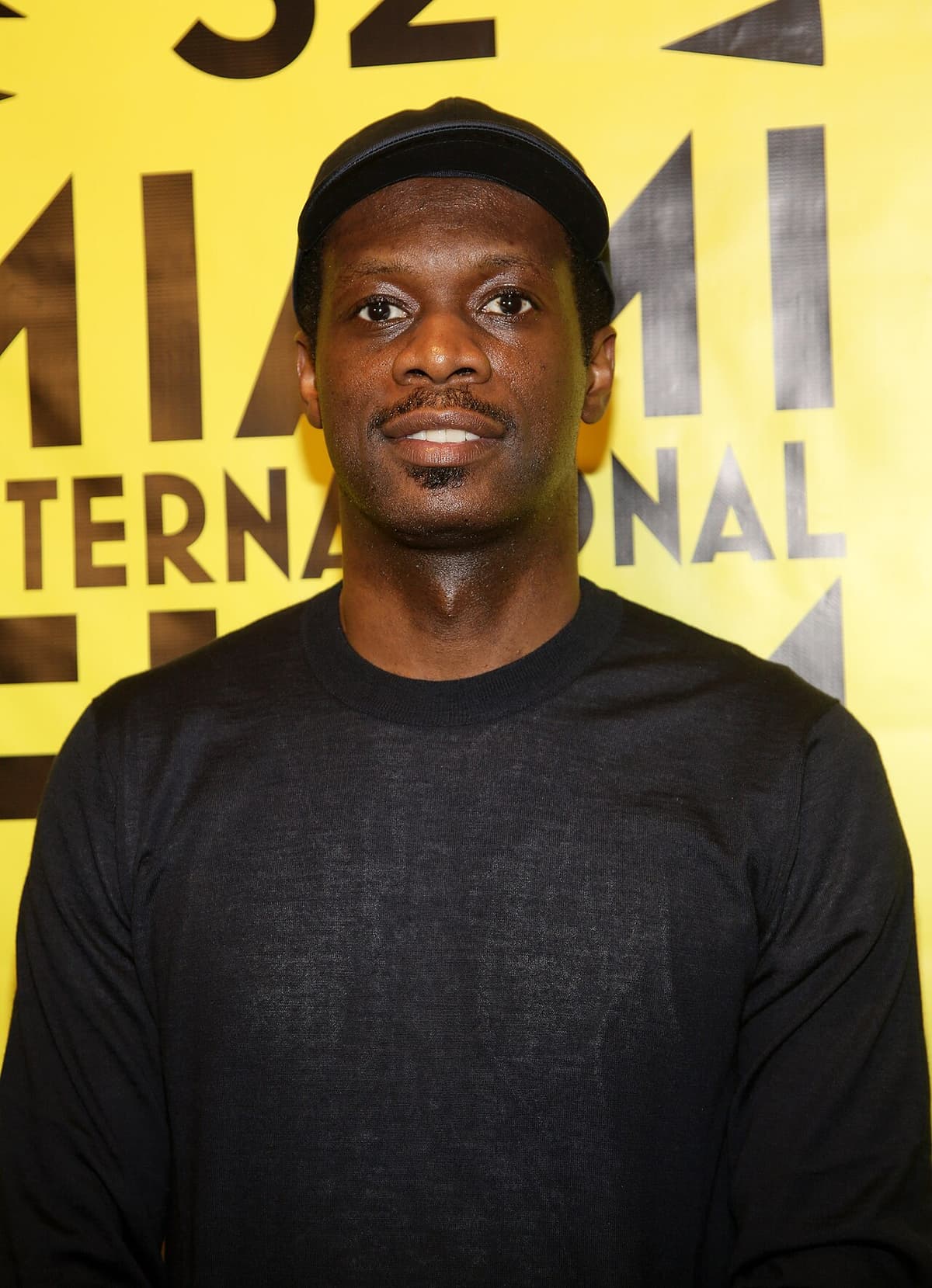
Shares pop rap, contemporary r&b (subgenres); studio polished, hi fi, sample based (production style)
Shares studio polished, pop rap, breathy, contemporary r&b (signature)
Cassette uses generative AI to enrich its catalog. How we use AI →