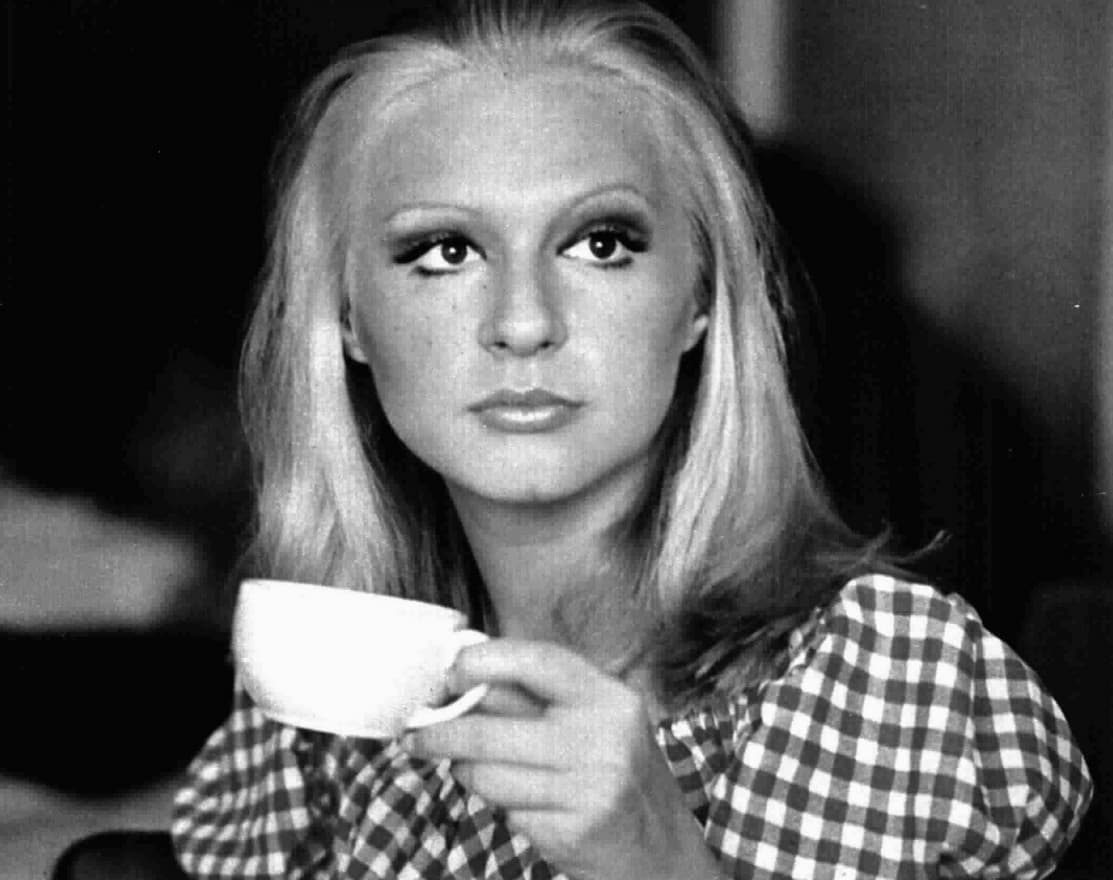
Loretta Goggi
Sweepingly dramatic Italian pop that balances theatrical vocal power with lush orchestral arrangements. Perfect for grand emotional moments and vintage Mediterranean vibes.
Sweepingly dramatic Italian pop that balances theatrical vocal power with lush orchestral arrangements. Perfect for grand emotional moments and vintage Mediterranean vibes.
Loretta Goggi is a foundational figure in Italian entertainment, bridging the gap between the golden age of variety television and the modern pop era. Emerging in the 1960s as a child actress, she evolved into a versatile performer known for her singing, hosting, and pioneering work in female satirical impersonation.
Her musical career reached its zenith in 1981 with 'Maledetta primavera', a song that became a pan-European hit and remains a cultural touchstone in Italy. Her discography reflects the shifting tastes of the Italian public, moving from traditional melodic pop to disco-inflected collaborations with her sister Daniela (as Hermanas Goggi) and eventually into sophisticated chamber pop. Critically, she is respected for her technical vocal control and her ability to maintain a high-art sensibility within mainstream commercial formats. Her influence persists not only through her own catalog but also through her role as a judge on contemporary talent shows, maintaining her position as a guardian of the Italian vocal tradition.
Shares traditional pop, disco, chamber pop (subgenres); orchestral_arrangement, studio_polished, analog_warmth (production style)
Shares traditional pop, disco, soft rock (subgenres); orchestral_arrangement, analog_warmth, studio_polished (production style)
Shares traditional pop, disco, chamber pop (subgenres); orchestral_arrangement, studio_polished, analog_warmth (production style)
Shares traditional pop, disco, soft rock (subgenres); orchestral_arrangement, studio_polished, analog_warmth (production style)

Shares traditional pop, disco, soft rock (subgenres); orchestral_arrangement, studio_polished, analog_warmth (production style)

Shares orchestral_arrangement, studio_polished, analog_warmth (production style); traditional pop, disco, soft rock (subgenres)
Cassette uses generative AI to enrich its catalog. How we use AI →