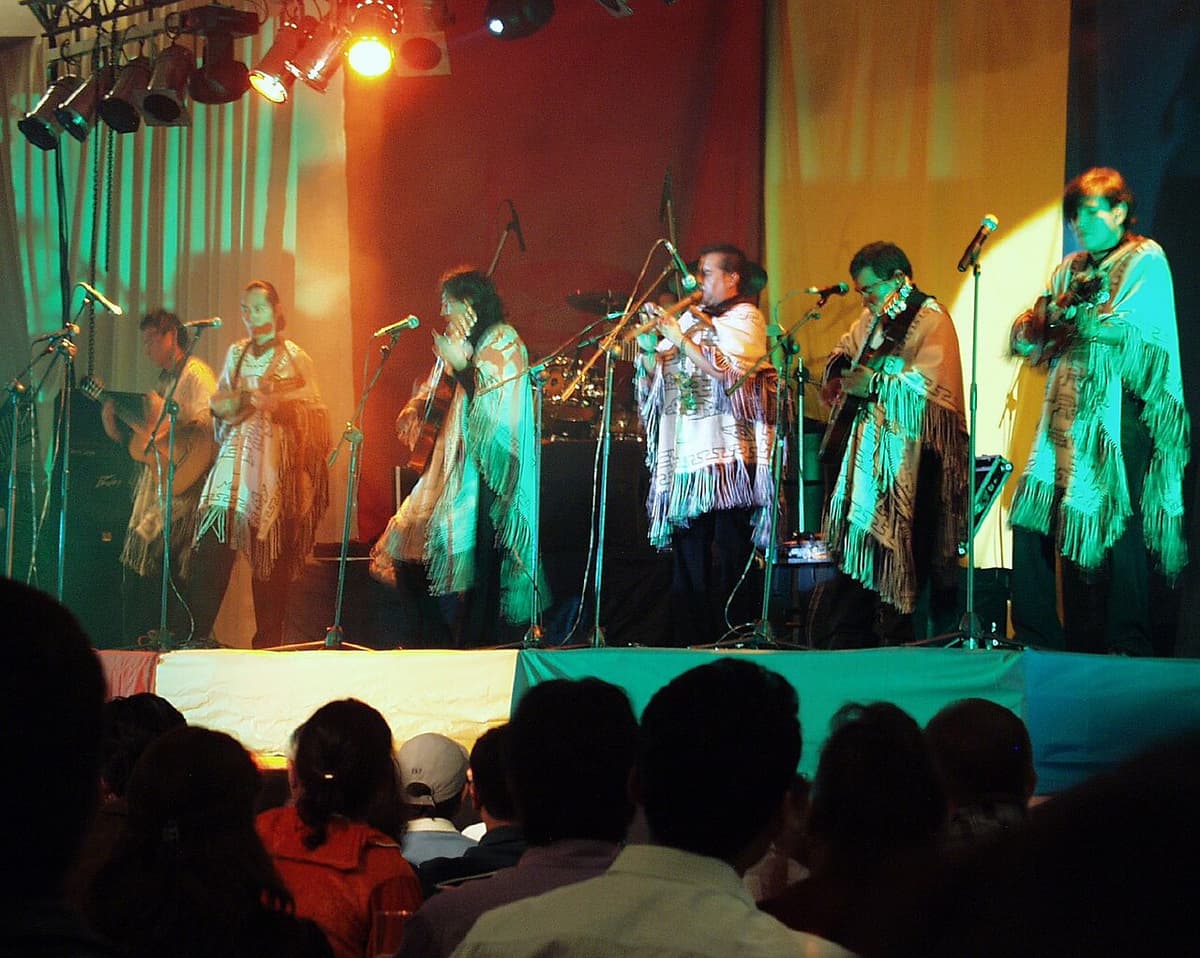
Los Kjarkas
Sweeping Andean melodies led by shimmering charango and soaring pan flutes. The definitive sound of Bolivian pride, perfect for mountain vistas and festive gatherings.
Sweeping Andean melodies led by shimmering charango and soaring pan flutes. The definitive sound of Bolivian pride, perfect for mountain vistas and festive gatherings.
Los Kjarkas represent the heartbeat of the Andes, a sound that is simultaneously ancient and polished. Their music is defined by the interplay between the bright, metallic chirping of the charango and the breathy, evocative whistles of the quena and zampoña. It is a sonic landscape that feels as vast and rugged as the Altiplano itself, yet it is anchored by warm, accessible vocal harmonies that invite the listener into a communal experience.
What truly sets them apart is their ability to modernize traditional rhythms like the Saya and Caporal without losing their indigenous soul. They transformed rural folk into a sophisticated pop-adjacent format that conquered South American radio. The energy is often high and rhythmic, driven by the deep thud of the bombo drum, but they are equally capable of heartbreakingly beautiful ballads that capture the 'llaki' or profound Andean sadness.
Start with the 1981 classic 'Canto a la mujer de mi pueblo' to hear them at their creative peak. It showcases their signature blend of romantic lyricism and masterful instrumental technique. For a broader perspective on their cultural impact, their live recordings capture the sheer scale of their influence and the electric connection they share with their audience across the continent.
Los Kjarkas is a Bolivian band from Capinota, Cochabamba. It is one of the most popular Andean folk music bands in the country's history. Among the styles they play are saya, caporal, tuntuna, huayno, and carnavales. The instruments the band uses include the charango, quena, zampoña, ronroco, guitar, and bombo.
Cassette uses generative AI to enrich its catalog. How we use AI →


