Lycia is a seminal American darkwave and ethereal wave project formed in 1988 in Tempe, Arizona, primarily led by Mike VanPortfleet. They are widely considered the architects of the 'Projekt Records sound,' a specific blend of dark ambient, gothic rock, and shoegaze that defined the 1990s independent dark alternative scene.
Their sound identity is built on 'Byzantine' layers of reverb-drenched guitars and minimalist drum machines, creating a 'wall of sound' that feels submerged or distant. The band's evolution saw a transition from the harsh, droning isolation of 'Ionia' and 'A Day in the Stark Corner' to the more melodic, vocal-centric textures of 'The Burning Circle and Then Dust' and 'Cold' following the arrival of Tara Vanflower. Critically, they are praised for their ability to evoke specific geographic and emotional landscapes, particularly the isolation of the American Southwest. They have influenced a generation of ambient and blackgaze artists, maintaining a dedicated cult following for their uncompromisingly somber and atmospheric approach to electronic music.


Shares melancholic, brooding, haunting (moods); darkwave, ambient techno (subgenres)
Shares darkwave, post-punk (subgenres); reverb_heavy, lo_fi, drum_machine (production style)
Shares melancholic, brooding, haunting (moods); darkwave, post-punk (subgenres)
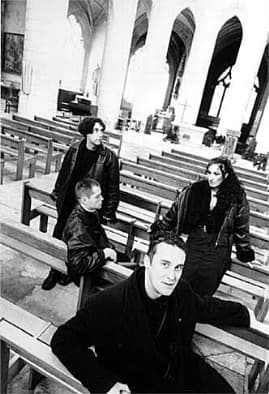
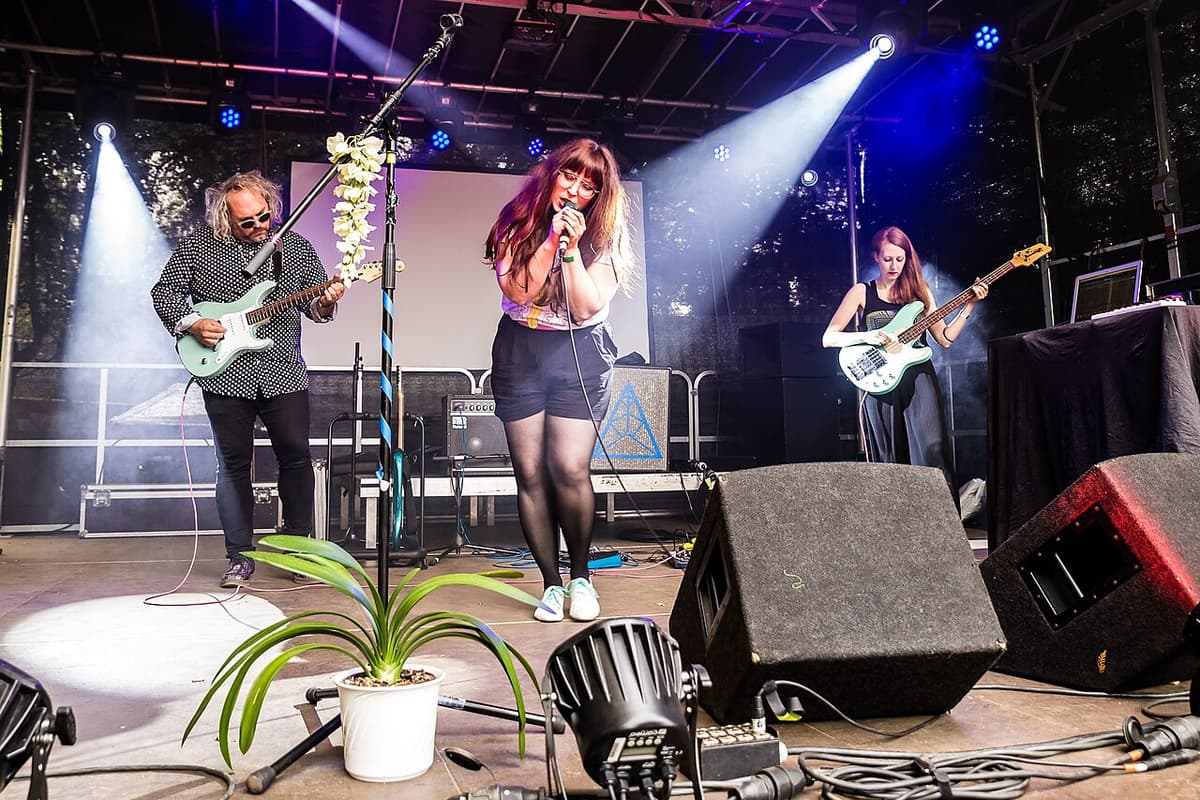
Shares darkwave, post-punk (subgenres); melancholic, brooding, haunting (moods)
Shares reverb_heavy, layered_dense, drum_machine (production style); melancholic, haunting, wistful (moods)
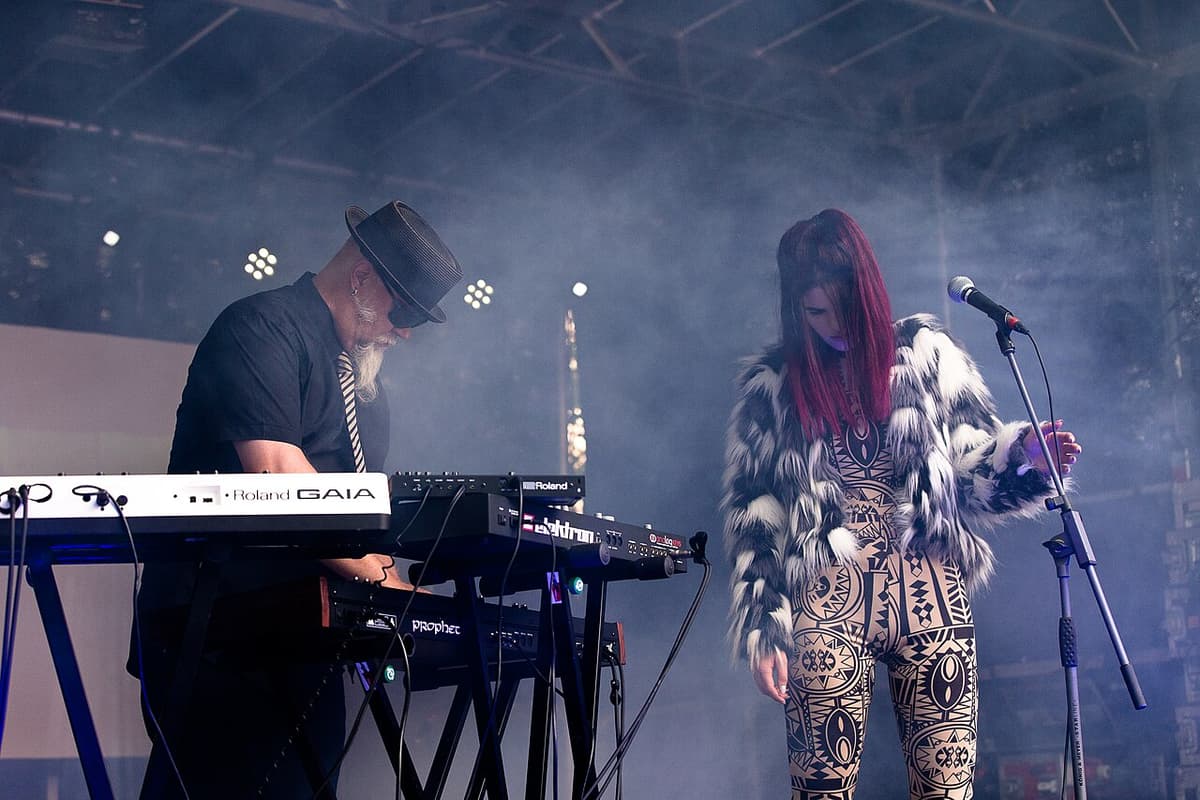
Shares darkwave, ambient techno, post-punk (subgenres); electric guitar, drum machine, keys/synth (instrumentation)
Shares darkwave, post-punk (subgenres); melancholic, brooding, haunting (moods)
Shares darkwave, post-punk (subgenres); reverb_heavy, layered_dense, drum_machine (production style)
Shares winter, post-punk, darkwave, haunting (atmosphere)
Cassette uses generative AI to enrich its catalog. How we use AI →