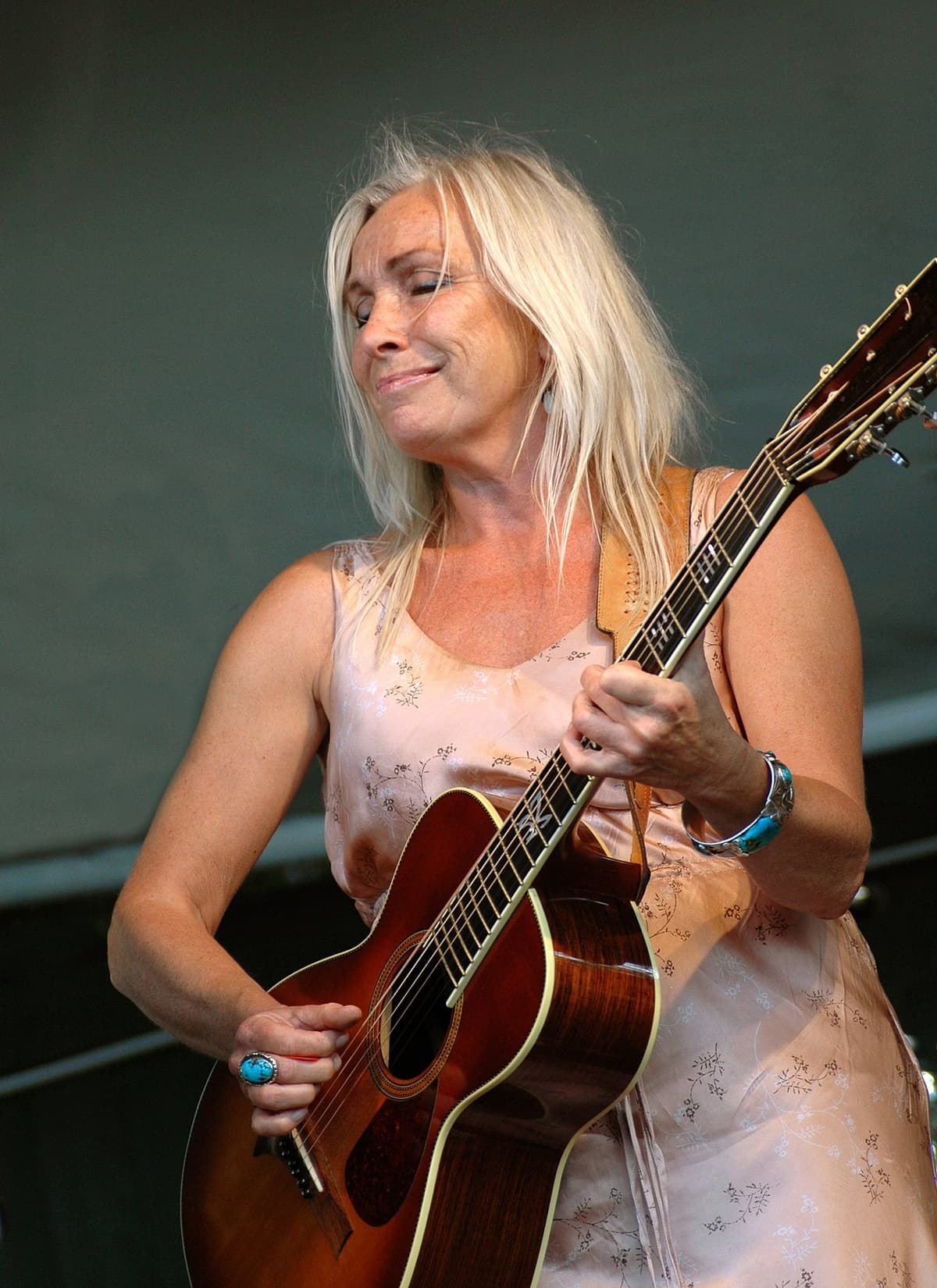
Marie Bergman
Gentle Swedish folk-jazz that feels like a warm wool sweater. Intimate, soul-searching songs for quiet mornings and thoughtful reflection.
Gentle Swedish folk-jazz that feels like a warm wool sweater. Intimate, soul-searching songs for quiet mornings and thoughtful reflection.
Marie Bergman’s music occupies the soft, resonant space where Swedish folk traditions meet the sophisticated phrasing of vocal jazz. Her sound is defined by a remarkable sense of presence; it feels as though she is performing just a few feet away, her voice carrying a weight of experience that is both comforting and deeply honest. There is a tactile, organic quality to her arrangements, often centering on the woody snap of an acoustic guitar or the elegant restraint of a jazz trio.
What makes her truly distinctive is her approach to the voice as a vessel for healing and connection. Unlike many of her pop contemporaries, Bergman avoids unnecessary artifice, opting instead for a 'lived-in' vocal delivery that prioritizes emotional resonance over technical showmanship. Her transition from Eurovision pop stardom to a more introspective, jazz-inflected solo career allowed her to develop a signature style that is unhurried, spiritual, and profoundly human.
New listeners should begin with the 1996 album 'Fruit' to hear her at her most polished and accessible, or 'But Beautiful' for a masterclass in jazz standards interpreted through a Nordic lens. Her work is perfect for those who appreciate the quiet intensity of artists who can command a room with nothing more than a whisper and a well-placed chord.
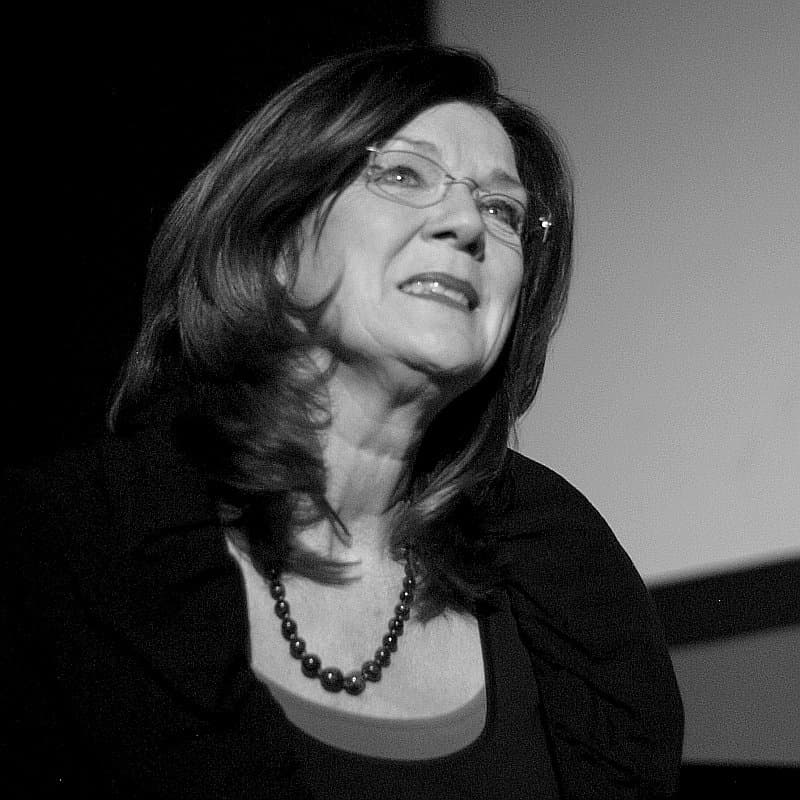
Marie Bergman (born 21 November 1950) is a Swedish singer. Between 1969 and 1972, she was a member in the pop group Family Four, which represented Sweden at the Eurovision Song Contest in 1971 and 1972. She started her solo career in 1974. She has during the years released 13 own-written records and 2 jazz albums and has received numerous awards. In 1994, she again represented Sweden at the Eurovision, this time with Roger Pontare, setting a record as the singer who has represented Sweden at the ESC the most times. This was equalled by Carola Häggkvist in 2006. Marie has performed at the Roskilde Festival four times.
Cassette uses generative AI to enrich its catalog. How we use AI →