
Marisela
Soft, breathy Latin ballads wrapped in 80s synth warmth. Emotional, romantic, and deeply nostalgic music for late-night reflection and healing heartaches.
Soft, breathy Latin ballads wrapped in 80s synth warmth. Emotional, romantic, and deeply nostalgic music for late-night reflection and healing heartaches.
Marisela's sound is the sonic equivalent of a soft-focus 1980s television special: warm, hazy, and unapologetically emotional. Her voice carries a distinct breathy quality that makes every lyric feel like a whispered secret, even when the production swells into grand orchestral pop. It is music that lives in the space between a sigh and a sob, defined by shimmering synthesizers, gentle piano melodies, and the rich analog warmth of the era.
What truly sets her apart is the 'Iron Lady' persona - a paradoxical blend of extreme vulnerability and steely resilience. While her contemporaries often leaned into powerhouse belting, Marisela mastered the art of the intimate delivery, using subtle phrasing and dramatic timing to convey deep romantic longing. Her collaboration with Marco Antonio Solís infused her early work with a sophisticated melodic sensibility that remains the gold standard for Latin romantic pop.
New listeners should start with her debut, 'Sin Él'. It perfectly captures the moment she became a superstar, featuring the iconic title track and her legendary duet with Solís. It is the essential blueprint for the 'Dama de Hierro' sound that has influenced generations of Latin pop vocalists.
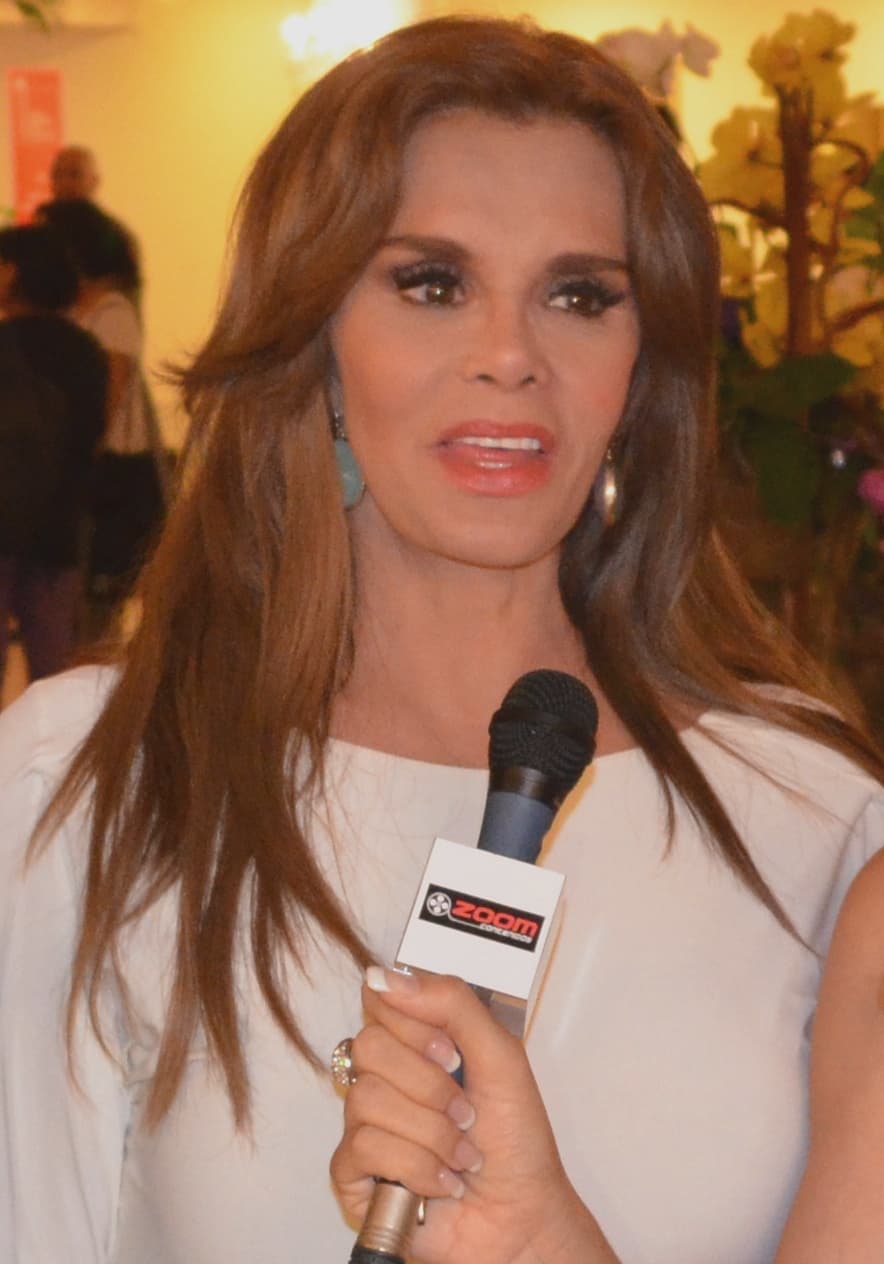
Marisela Esqueda, simply known as Marisela (born April 24, 1966) is a Mexican-American singer and songwriter, also known as La Dama de Hierro (“The Iron Lady”). She rose to prominence in the 1980s with her romantic ballads and has maintained a decades-long career in Latin music, becoming recognized as one of the most enduring female voices of her generation. Early life Marisela was born in Los Angeles, California, to Mexican immigrant parents. Raised in a bilingual household, she began singing at a young age and was influenced by the music of Rocío Dúrcal, Juan Gabriel, and other icons of Latin pop and ranchera. Career 1980s: Breakthrough Marisela’s debut album, Sin Él (1984), produced by Marco Antonio Solís, included the hit single of the same name, which became her signature ballad. That same year, she recorded the duet “La Pareja Ideal” with Solís, which became one of the most enduring classics of Latin romantic music. Their artistic collaboration coincided with their personal relationship at the time, further fueling public interest in her career. Her follow-up, Completamente Tuya (1985), continued her success with more charting ballads. In 1986, she released Porque Tengo Ganas, which included the song “Tu dama de hierro,” the nickname by which she is now widely known. 1990s: Established star In 1990, Marisela released the album Marisela, which included the single “Ya No.” The song reached No. 1 on Billboard’s Hot Latin Songs chart and became one of her biggest hits. That same year, Ya No was featured in the motion picture Salsa (film) (1988), in which Marisela also appeared performing alongside Celia Cruz and Tito Puente. The exposure helped broaden her audience and cement her reputation as a leading figure in Latin pop during the decade. 2000s–present Marisela continued recording and touring through the 2000s and 2010s, performing extensively across Mexico, the United States, and Latin America. She has released compilations and live albums highlighting her four decades of hits. In the 2020s, she launched the EMPODERADA Tour 2025 and released new music including the single Sola. She is also working on a duet album in collaboration with Universal Music. Legacy With a career spanning over four decades, Marisela is considered one of the most enduring artists in Latin pop and romantic ballads. Personal life and advocacy Marisela has one daughter, Marilyn Odessa, who has followed her into a career in music. The two have also performed together on stage, reflecting a shared family connection to music.
Shares latin pop, traditional pop, soft rock (subgenres); studio polished, analog warmth, reverb heavy (production style)

Shares latin pop, traditional pop, soft rock (subgenres); melancholic, romantic, bittersweet (moods)
Shares latin pop, traditional pop, soft rock (subgenres); studio polished, reverb heavy, orchestral arrangement (production style)
Shares latin pop, traditional pop (subgenres); studio polished, analog warmth, reverb heavy (production style)

Shares latin pop, traditional pop, soft rock (subgenres); studio polished, analog warmth, orchestral arrangement (production style)

Shares latin pop, traditional pop, soft rock (subgenres); studio polished, orchestral arrangement, analog warmth (production style)

Shares latin pop, traditional pop, soft rock (subgenres); studio polished, analog warmth, reverb heavy (production style)
Shares latin pop, traditional pop, soft rock (subgenres); orchestral arrangement, analog warmth, studio polished (production style)
Shares latin pop, traditional pop, soft rock (subgenres); breathy, crooning, gentle (vocal style)
Shares latin pop, traditional pop, soft rock (subgenres); analog warmth, orchestral arrangement, studio polished (production style)
Cassette uses generative AI to enrich its catalog. How we use AI →


