Marti Webb’s sound is the quintessential bridge between the West End stage and the pop charts of the early 1980s. Her voice possesses a crystalline clarity and a powerful, controlled belt that can convey deep emotional exhaustion one moment and defiant independence the next. The arrangements are often lush and sweeping, featuring the kind of sophisticated orchestral pop that defined the Andrew Lloyd Webber era, characterized by prominent piano melodies and dramatic string sections.
What truly distinguishes Webb is her ability to inhabit a character through song. She doesn't just sing lyrics; she performs them with a conversational intimacy that makes the listener feel like a confidant. This narrative precision is most evident in her work on song cycles, where she navigates the highs and lows of a story with impeccable phrasing and a theatrical sense of timing that few pure pop singers can replicate.
For those new to her catalog, the 1980 album 'Tell Me on a Sunday' is the essential starting point. It captures her at the height of her cultural powers, delivering a masterclass in the 'one-woman show' format. It is the perfect soundtrack for moments of quiet reflection, personal transitions, or whenever you need a dose of high-drama storytelling.
Marti Webb (born 1943) is an English actress and singer. She appeared on stage in Evita before starring in Andrew Lloyd Webber's one-woman show Tell Me on a Sunday in 1980. This included her biggest hit single, "Take That Look Off Your Face", a UK top three hit, with the parent album also reaching the top three.



Shares traditional pop, vocal jazz (subgenres); orchestral arrangement, studio polished, analog warmth (production style)
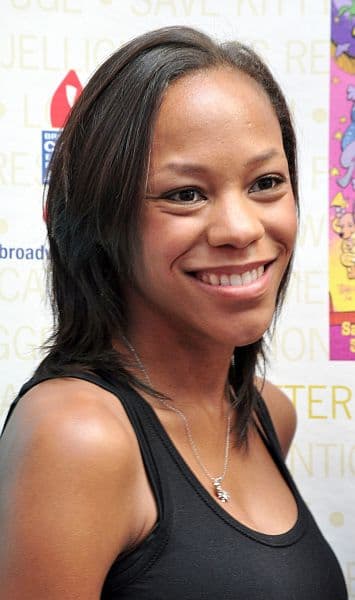
Shares traditional pop, vocal jazz, chamber pop (subgenres); belting, soprano, narrating (vocal style)
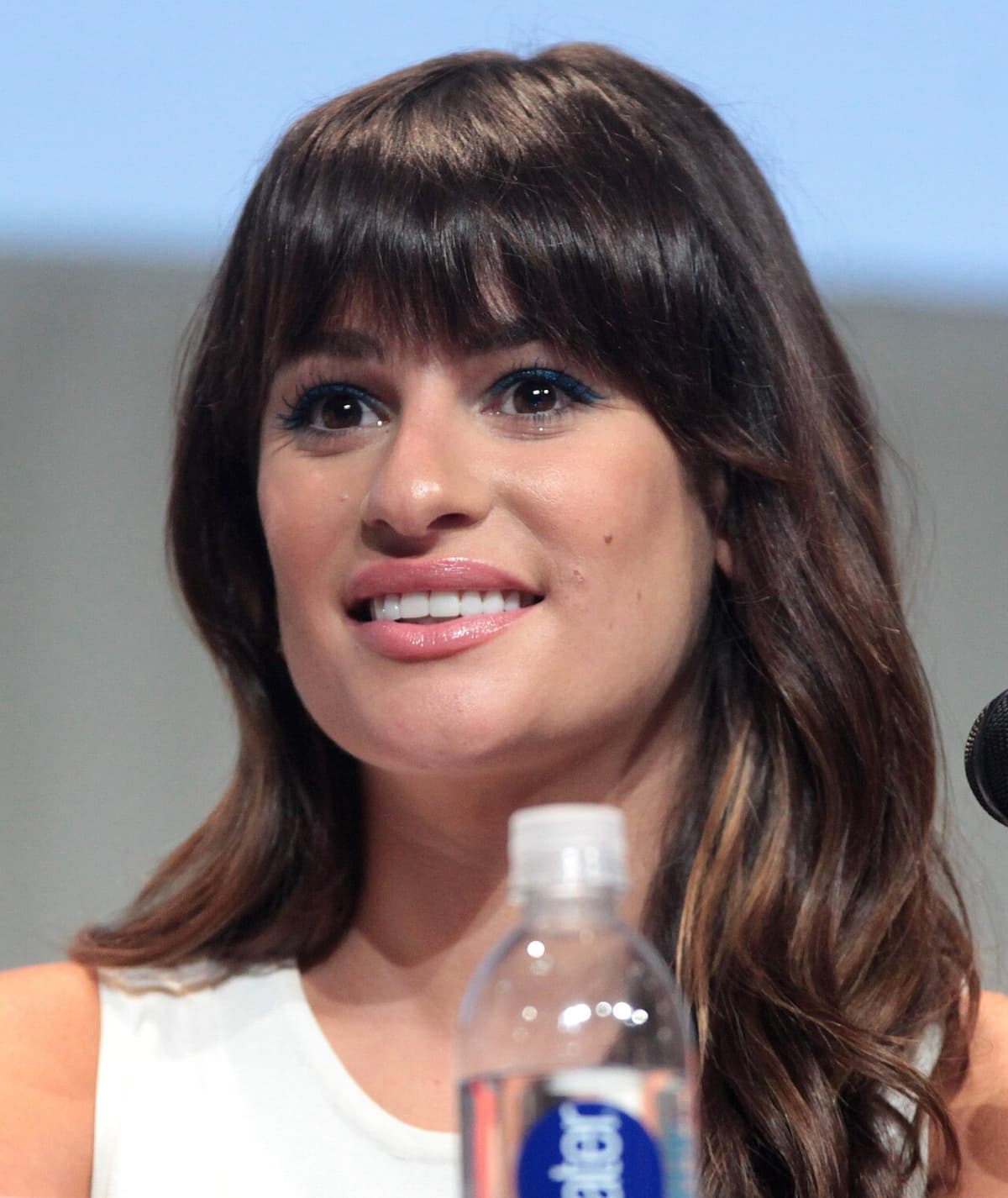
Shares traditional pop, vocal jazz, chamber pop (subgenres); sentimental, vulnerable, triumphant (moods)

Shares orchestral arrangement, studio polished, analog warmth (production style); traditional pop, vocal jazz (subgenres)
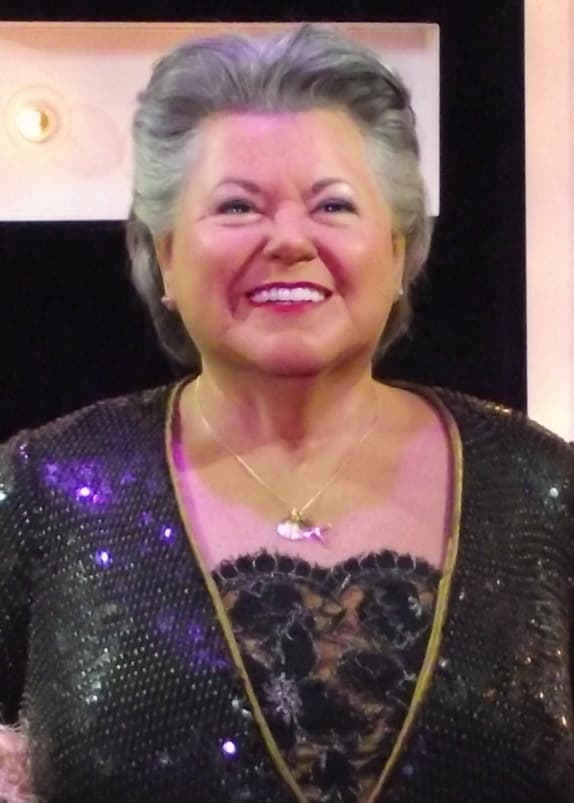
Shares traditional pop, vocal jazz (subgenres); orchestral arrangement, studio polished, analog warmth (production style)
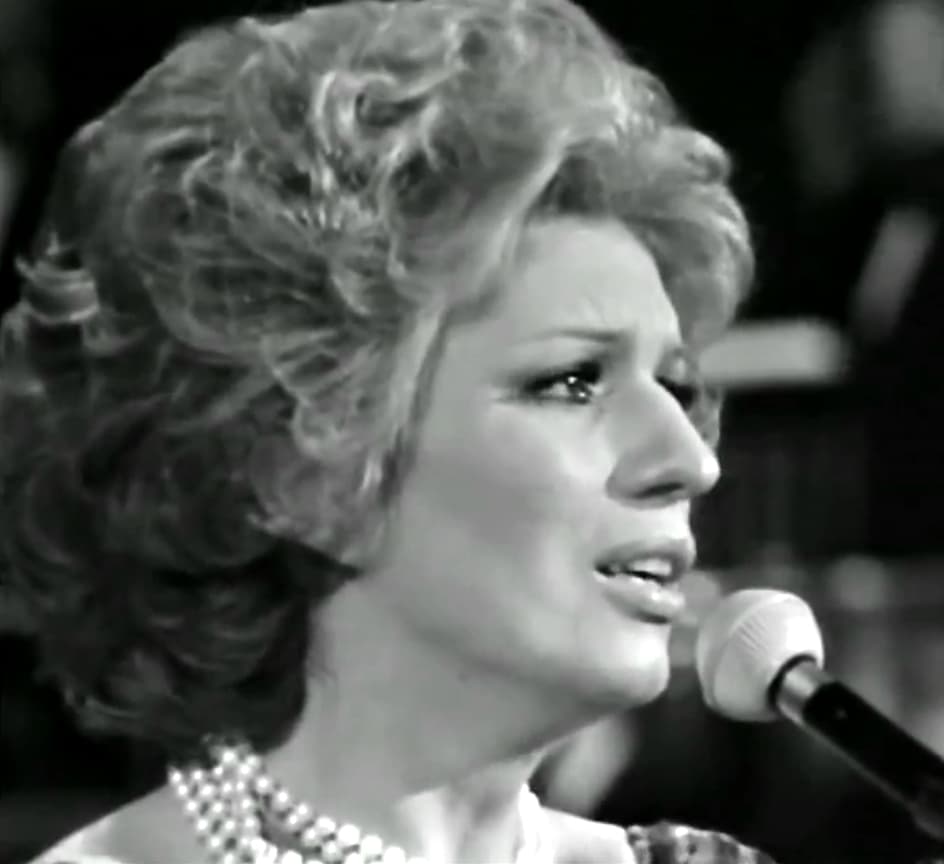
Shares sentimental, nostalgic, triumphant (moods); orchestral arrangement, studio polished, analog warmth (production style)
Shares traditional pop, vocal jazz, chamber pop (subgenres); orchestral arrangement, studio polished (production style)
Shares traditional pop, vocal jazz (subgenres); sunday morning, candlelit (atmosphere)
Shares traditional pop, vocal jazz, chamber pop (subgenres); orchestral arrangement, studio polished, analog warmth (production style)
Cassette uses generative AI to enrich its catalog. How we use AI →