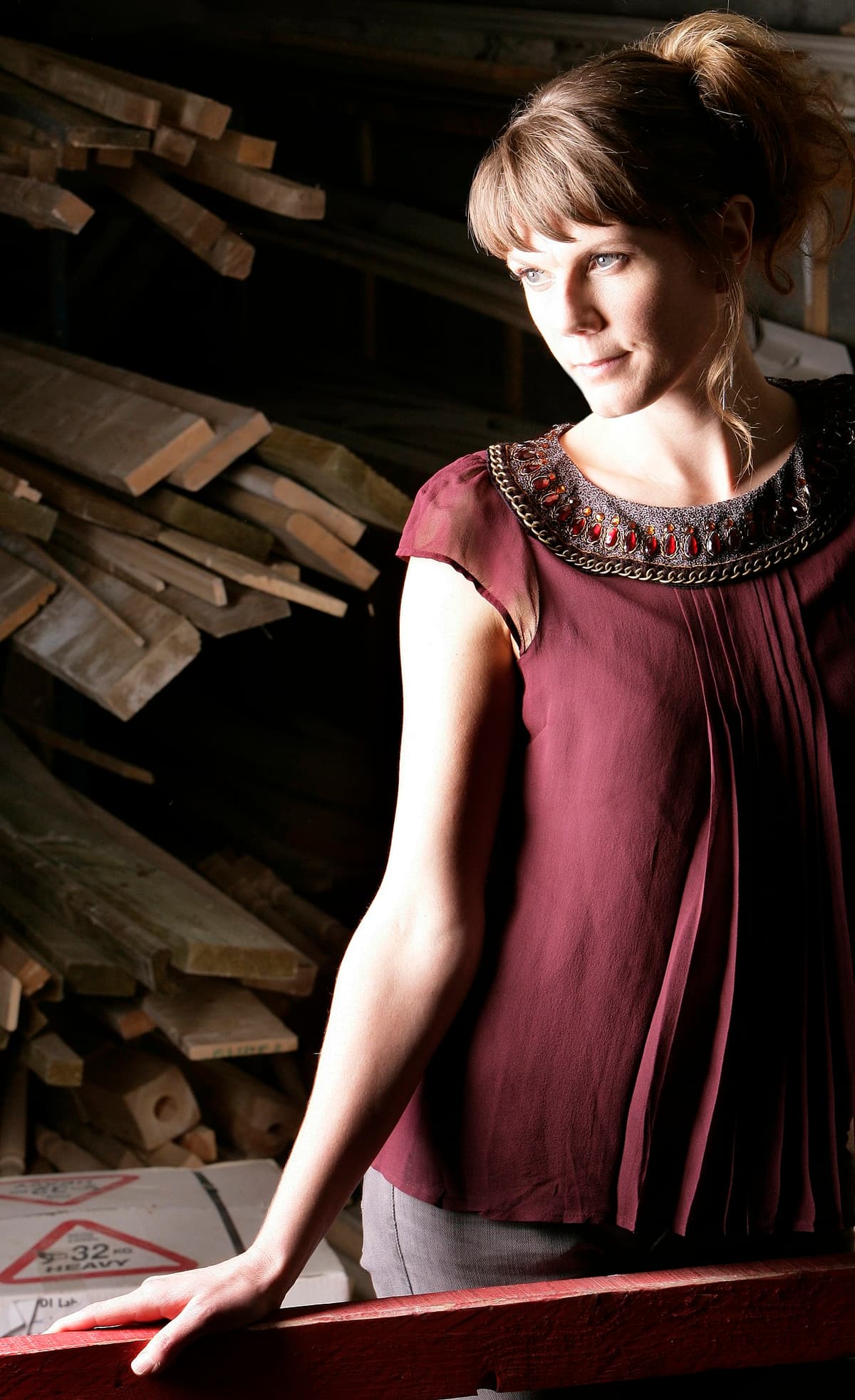
Martina Sorbara
Intimate, piano-led folk with a jazz-inflected lilt. Gentle, breathy vocals and stripped-back arrangements for quiet mornings and reflective solitude.
Intimate, piano-led folk with a jazz-inflected lilt. Gentle, breathy vocals and stripped-back arrangements for quiet mornings and reflective solitude.
Martina Sorbara's solo career (1998-2005) represents a distinct chapter of Canadian indie-folk history before her pivot to the electronic project Dragonette. Her sound identity is rooted in her proficiency as a pianist and self-taught guitarist, blending the confessional nature of the singer-songwriter tradition with the harmonic sophistication of vocal jazz.
Her debut 'Unplaceables' established her as a precocious talent in the Ontario scene, but it was 'The Cure for Bad Deeds' that solidified her critical standing, showcasing a move toward chamber-folk arrangements. Culturally, she occupies a space alongside contemporaries like Emm Gryner and Sarah Slean, representing a wave of female Canadian artists who bridged the gap between Lilith Fair-era folk and modern indie-pop. Her influence is felt in the way she successfully transitioned from acoustic intimacy to global electronic success, though her solo work remains a cult favorite for its minimalist production and dry, intimate vocal treatment. Critical consensus highlights her lyrical wit and the 'unpolished' elegance of her early recordings.
Shares breathy close-mic vocals, vocal jazz, acoustic folk, indie folk (detail)
Shares vocal jazz, acoustic folk, cello, dry_intimate (signature)
Shares acoustic folk, indie folk, autumn_walk, cello (subgenre)
Shares breathy close-mic vocals, vocal jazz, piano, indie folk (detail)
Shares acoustic folk, indie folk, autumn_walk, cello (subgenre)
Shares acoustic folk, indie folk, autumn_walk, upright bass (subgenre)
Cassette uses generative AI to enrich its catalog. How we use AI →