Mary Lou Lord
Intimate, busker-style folk with a jangle-pop heart. Breathy vocals and acoustic storytelling that feel like a private conversation on a crowded subway train.
Intimate, busker-style folk with a jangle-pop heart. Breathy vocals and acoustic storytelling that feel like a private conversation on a crowded subway train.
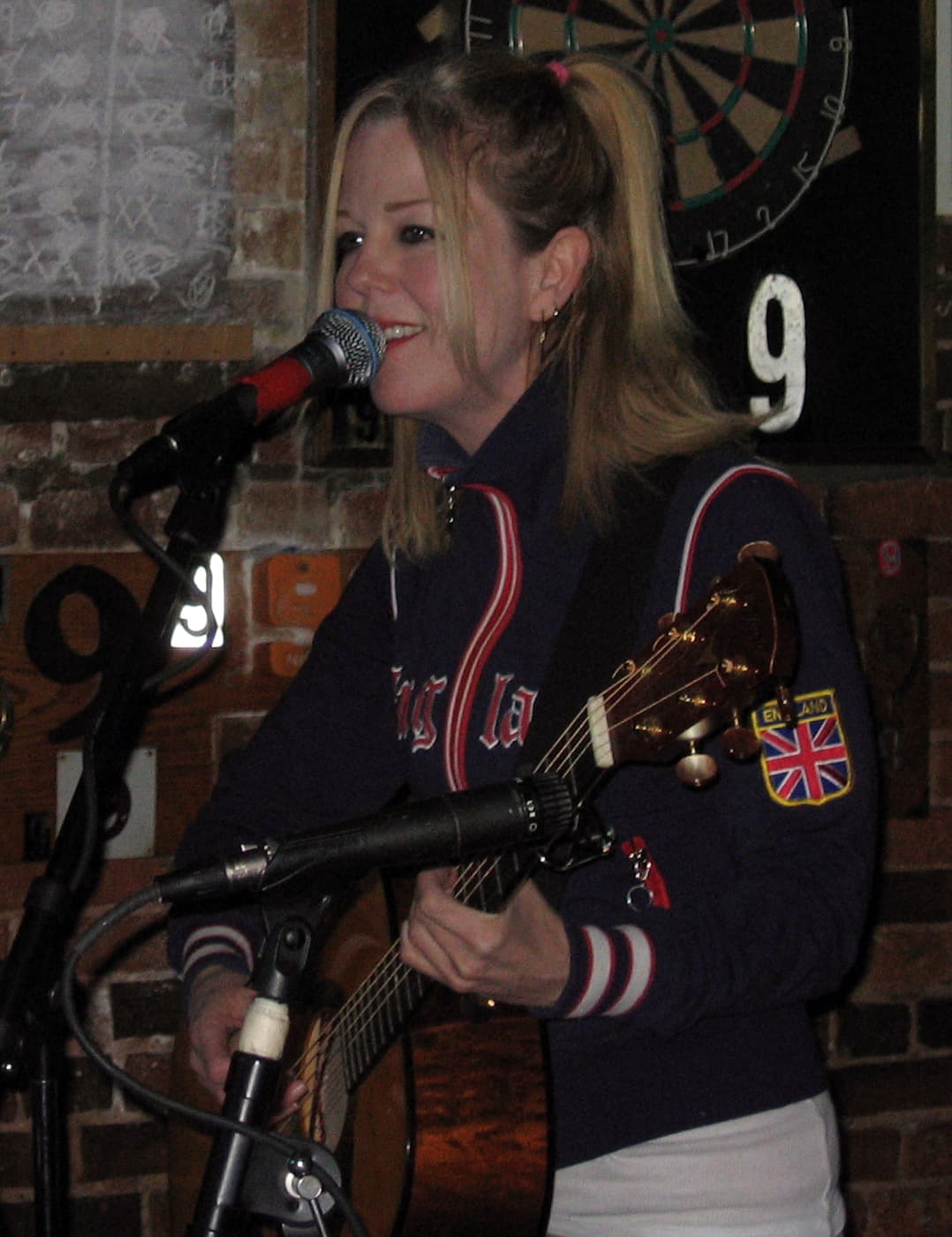
Mary Lou Lord is a pivotal figure in the 1990s indie folk scene, bridging the gap between traditional busking culture and the Pacific Northwest indie explosion. Emerging from the Boston subway circuit, she gained national attention through her association with the Kill Rock Stars label.
Her sound identity is defined by a 'busker-chic' aesthetic: high-fidelity vocal intimacy paired with rhythmic, often jangly acoustic arrangements. Her career arc is marked by high-profile collaborations with figures like Elliott Smith and Nick Saloman (The Bevis Frond), as well as a public, often mythologized connection to the grunge era. Despite a battle with spasmodic dysphonia that impacted her vocal career in the mid-2000s, she remains a cult icon for her ability to blend folk sincerity with power-pop melodicism. Critical consensus highlights her as one of the era's premier interpreters of song, noted for her impeccable taste in covers and her ability to maintain an indie-pop edge within a folk framework.
Shares indie folk, chamber folk, autumn_walk, tender (signature)
Shares chamber folk, narrating, indie folk, autumn_walk (subgenre)
Shares chamber folk, indie folk, autumn_walk, tender (subgenre)
Shares chamber folk, indie folk, autumn_walk, cello (subgenre)
Shares chamber folk, indie folk, autumn_walk, cello (subgenre)
Shares chamber folk, indie folk, autumn_walk, cello (subgenre)
Shares chamber folk, indie folk, tender, stripped_back (subgenre)
Cassette uses generative AI to enrich its catalog. How we use AI →