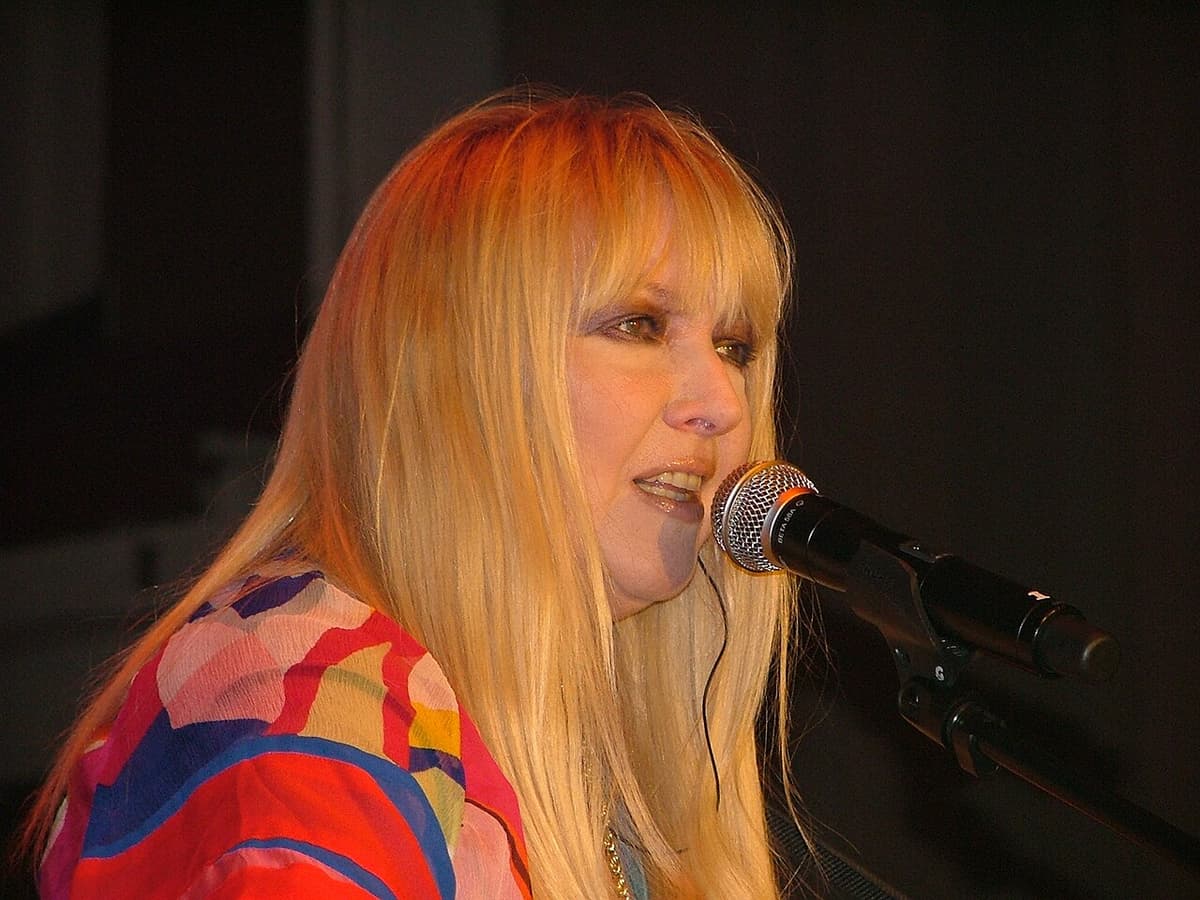
Maryla Rodowicz
Vibrant Polish folk-pop that feels like a warm embrace. Story-driven songs with a raspy, soulful edge for long drives and nostalgic afternoons.
Vibrant Polish folk-pop that feels like a warm embrace. Story-driven songs with a raspy, soulful edge for long drives and nostalgic afternoons.
Maryla Rodowicz is the undisputed matriarch of Polish popular music, possessing a voice that is both earthy and ethereal. Her sound is a rich tapestry of acoustic folk foundations, theatrical pop arrangements, and a rock-and-roll spirit that has endured for over half a century. It feels like a sun-drenched afternoon in a Polish meadow, colored by the wisdom of a life spent on stage.
What truly sets her apart is the literary depth of her work, largely thanks to her collaboration with legendary poet Agnieszka Osiecka. Her songs are not just melodies but short stories, delivered with a signature raspy vocal that can shift from a gentle whisper to a powerful, stadium-filling belt. There is a specific 'colorful' aesthetic to her music, blending traditional Slavic sensibilities with Western country and folk-rock influences.
Start with the 1970s classics like 'Małgośka' to understand her cultural impact, then move to 'Niech żyje bal' for her more sophisticated, existential side. For a more modern, intimate experience, the album 'Jest cudnie' captures her enduring warmth and acoustic roots perfectly.
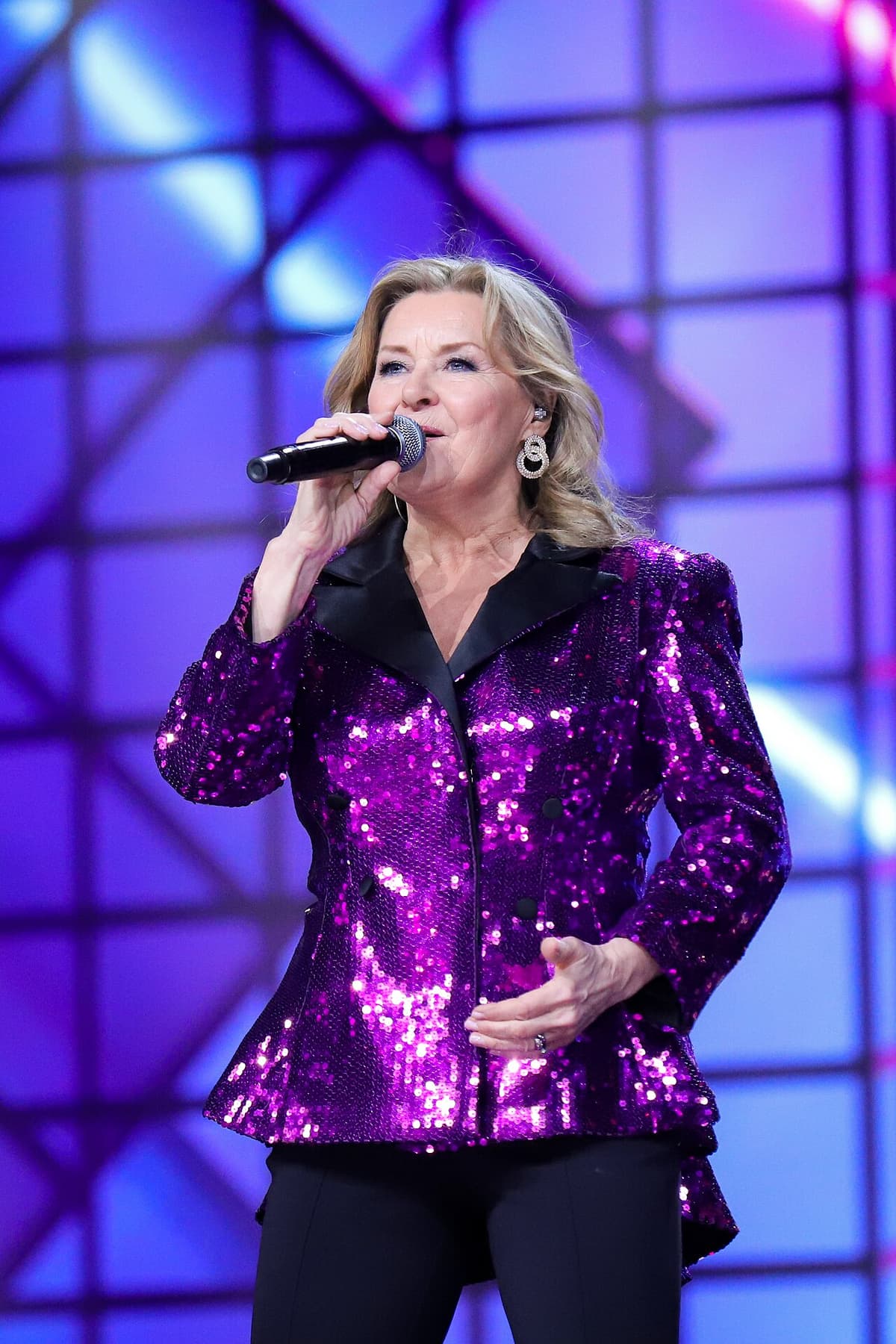
Maria Antonina Rodowicz, known professionally as Maryla Rodowicz, (Polish pronunciation: [maˈrɨla rɔˈdɔvit͡ʂ] born 8 December 1945 in Zielona Góra), is a Polish singer, guitarist and actress. Throughout over 60 years of her career, she released twenty Polish and four foreign-language studio albums including five with platinum and three with gold certifications and selling over 15 million records. Known for her close collaboration with Agnieszka Osiecka and Seweryn Krajewski, her most popular songs include "Małgośka" (1974), "Futbol" (1974), "Remedium" (1978), "Niech żyje bal" (1984), "Łatwopalni" (1997) and "Wszyscy chcą kochać" (2005). She remains one of the most prominent and successful artists in the history of popular music in Poland. Among the numerous awards and decorations she received are Gold Cross of Merit, Commander's Cross of the Order of Polonia Restituta and Gold Medal for Merit to Culture – Gloria Artis.
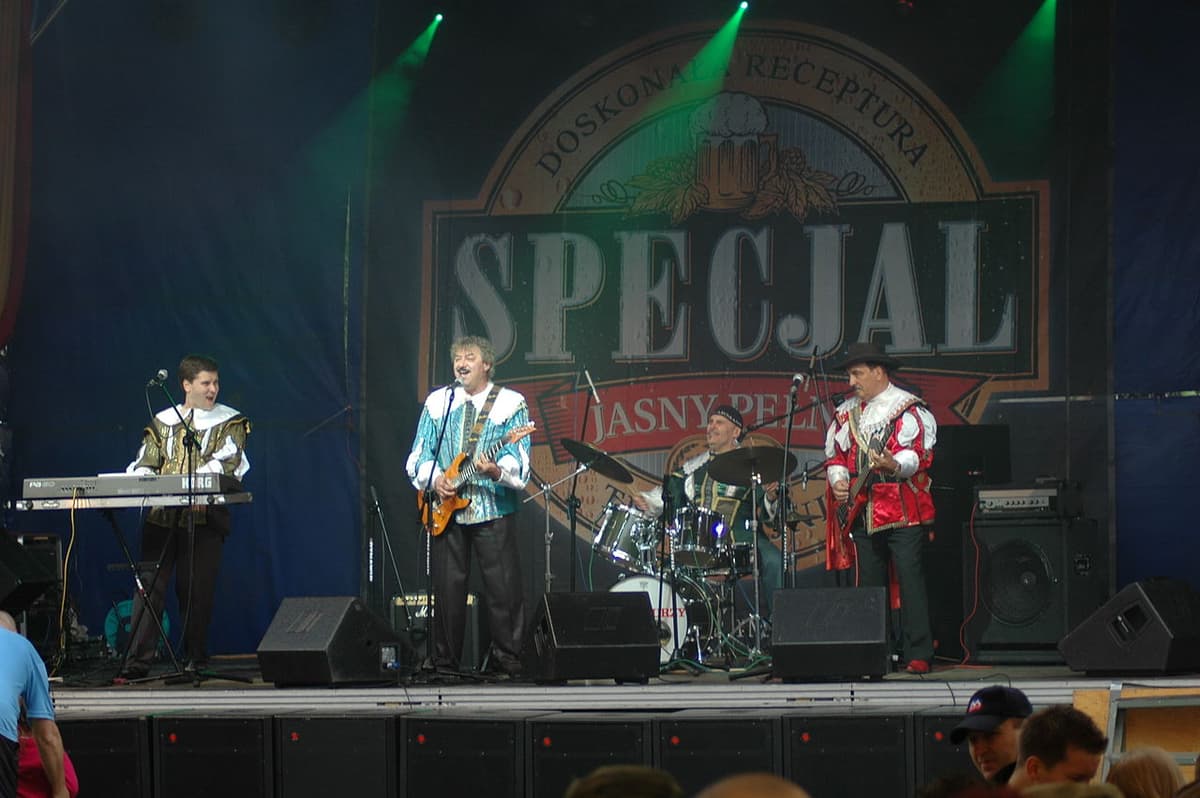
Shares folk rock, pop rock, traditional pop (subgenres); analog warmth, live recording, studio polished (production style)
Shares analog warmth, live recording, orchestral arrangement (production style); nostalgic, bittersweet, triumphant (moods)

Shares pop rock, folk rock, traditional pop (subgenres); festival, bonfire, sunday morning (atmosphere)
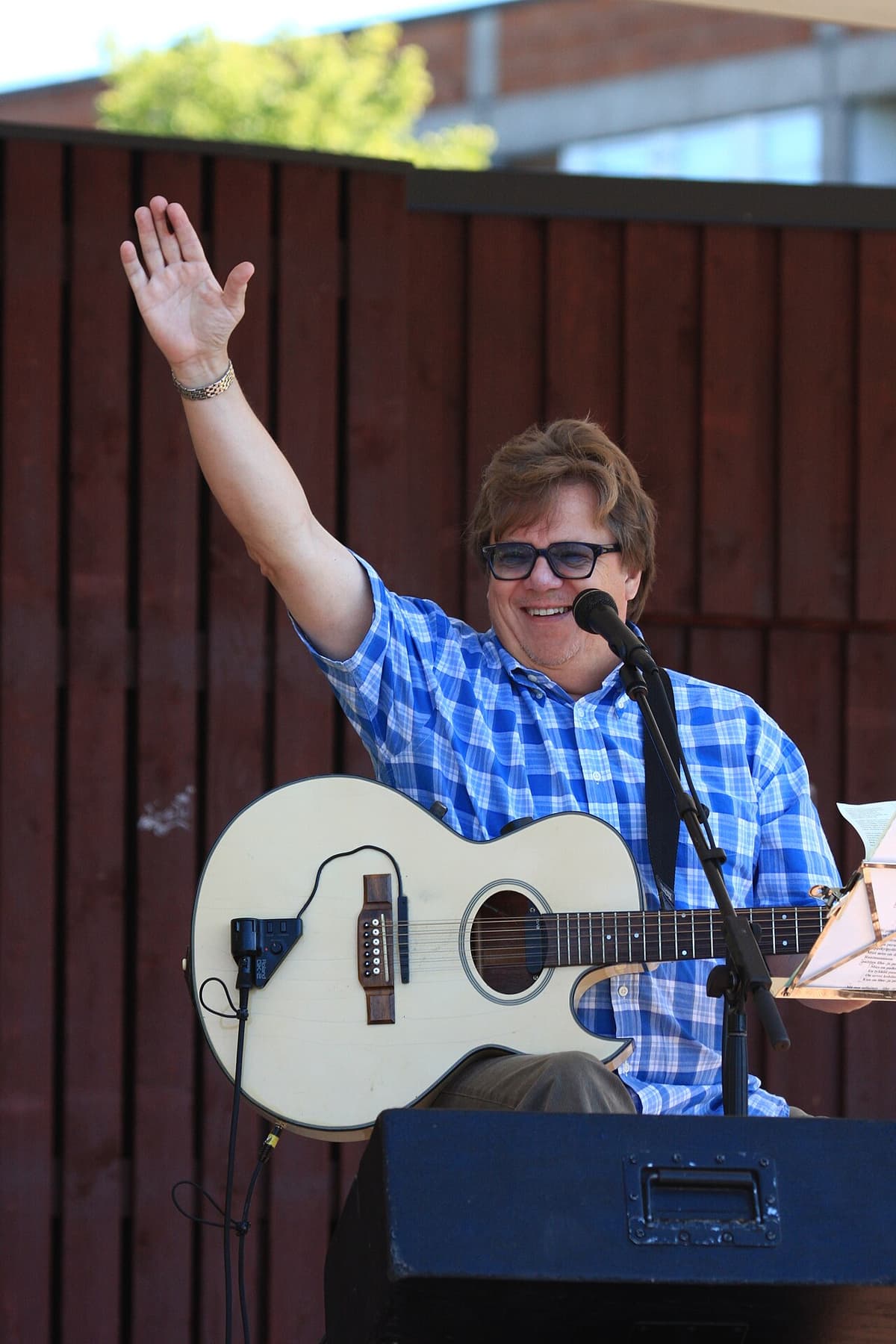
Shares folk rock, traditional pop, americana (subgenres); analog warmth, live recording, studio polished (production style)
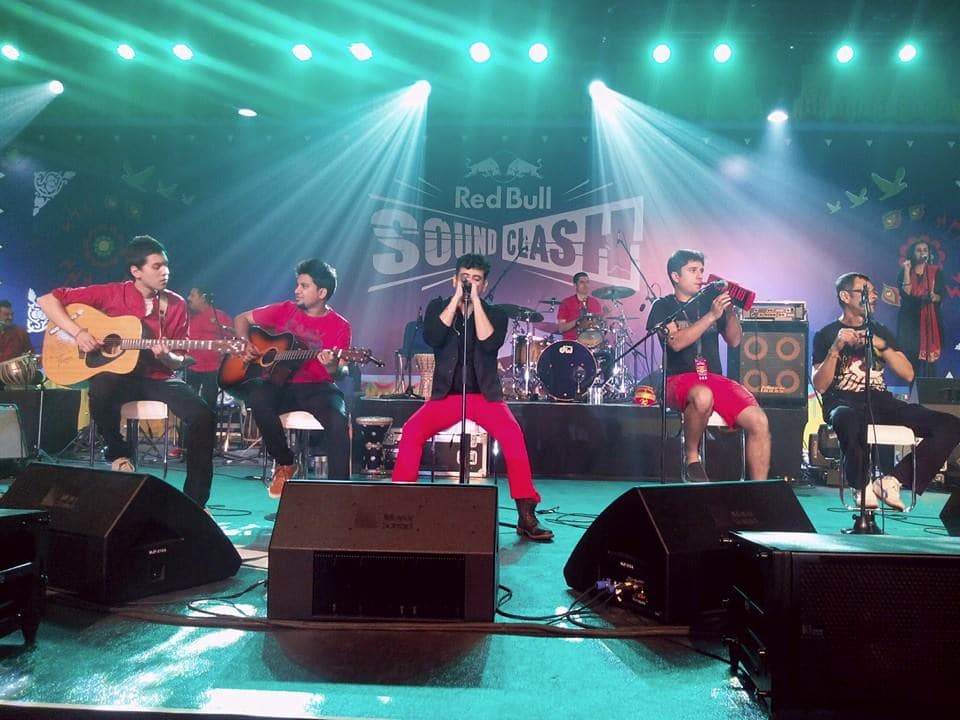
Shares analog warmth, live recording, orchestral arrangement (production style); folk rock, pop rock (subgenres)
Shares folk rock, pop rock, americana (subgenres); analog warmth, live recording, orchestral arrangement (production style)
Cassette uses generative AI to enrich its catalog. How we use AI →