Matchbox stands as a cornerstone of the British rockabilly revival that peaked in the late 1970s and early 1980s. Formed in 1971, the band navigated the transition from the underground 'Teddy Boy' scene to mainstream chart success.
Their sound identity is built on the classic rockabilly tripod: slap-back echo, walking upright bass lines, and clean, tremolo-heavy electric guitar. Unlike the more punk-infused Stray Cats, Matchbox maintained a closer stylistic link to the original 1950s rock and roll template, though their 1980s output incorporated slicker production values and occasional pop-country flourishes. Their collaboration with Kirsty MacColl on 'I Want Out' highlights their versatility within the roots-rock spectrum. Critically, they are viewed as essential preservationists who helped bridge the gap between the original American pioneers and the European neo-rockabilly movement. They remain a staple for collectors of the genre, representing the polished, professional end of the revivalist circuit.


Shares rockabilly, pop rock (subgenres); analog_warmth, live_recording, studio_polished (production style)
Shares rockabilly (subgenres); energetic, playful, nostalgic (moods)
Shares analog_warmth, studio_polished, live_recording (production style); rockabilly, pop rock (subgenres)
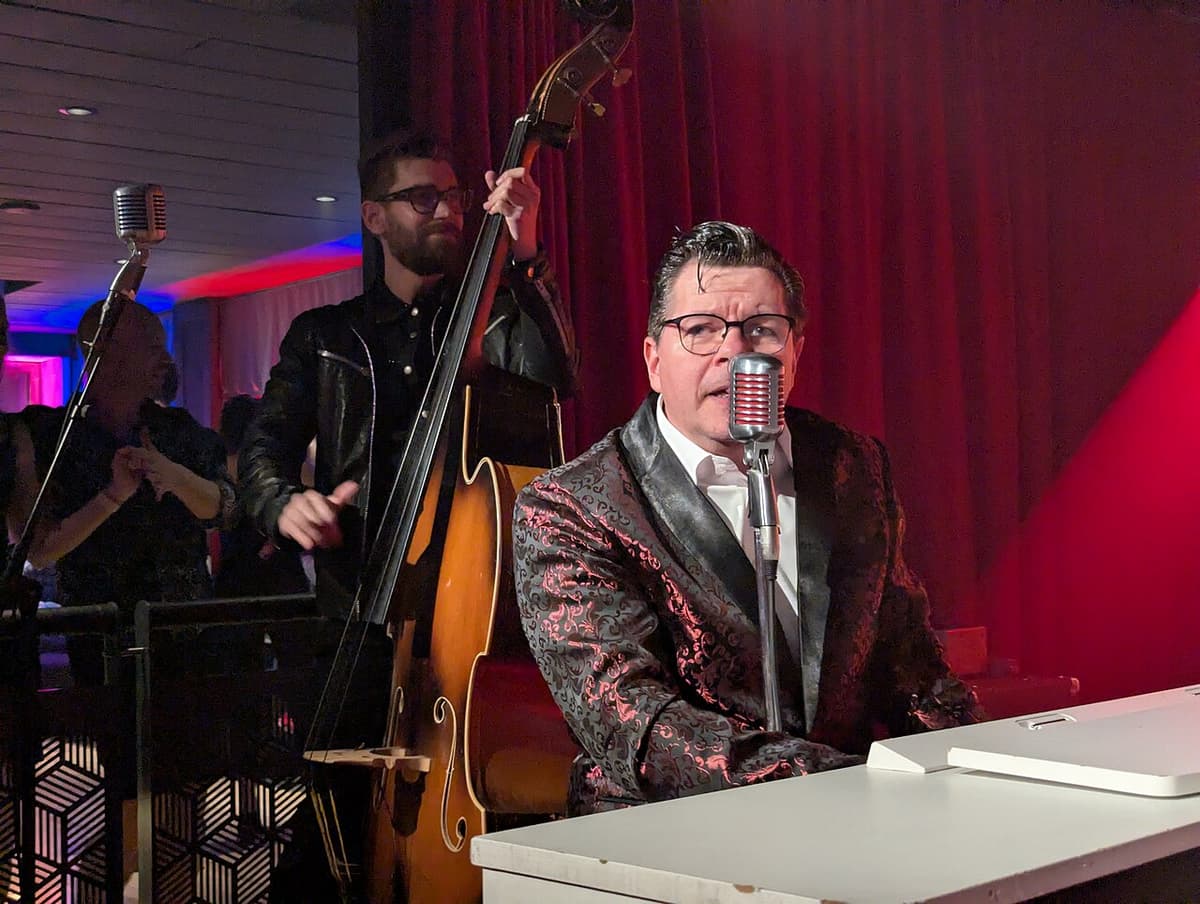
Shares energetic, playful, nostalgic (moods); analog_warmth, studio_polished, hand_played (production style)
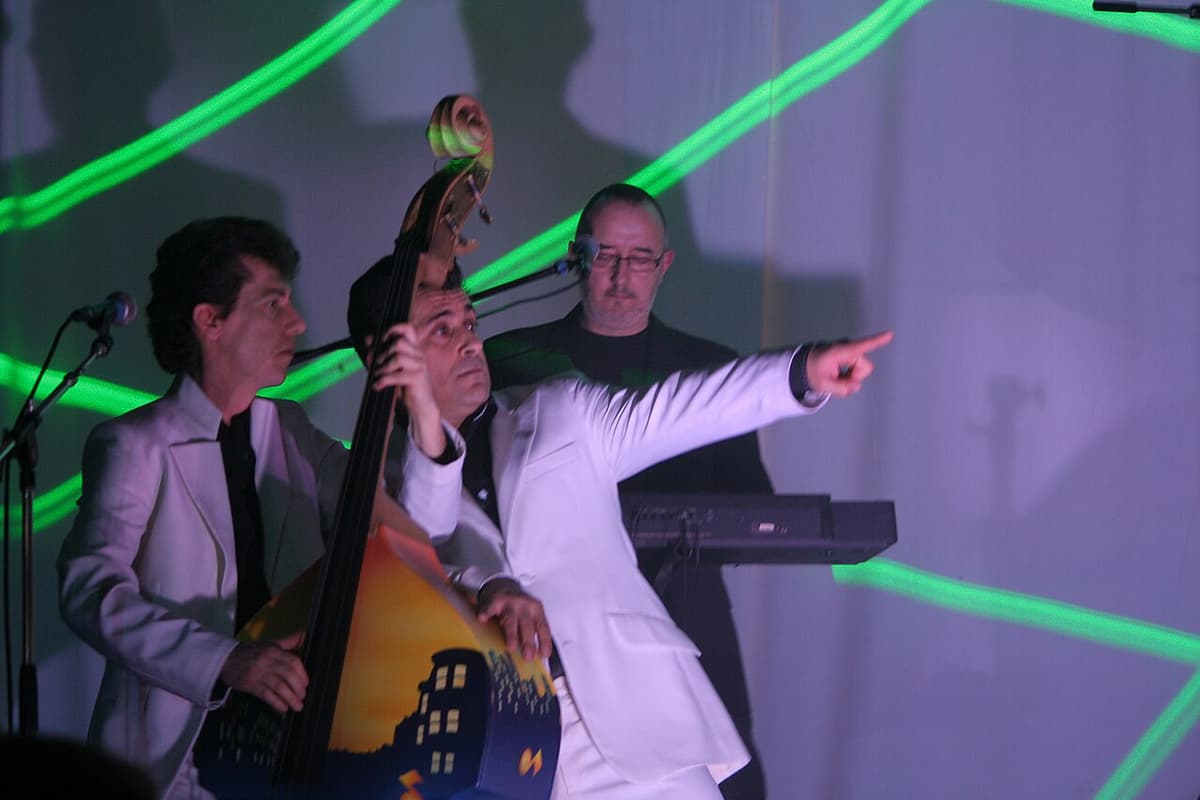
Shares rockabilly, pop rock (subgenres); analog_warmth, studio_polished, live_recording (production style)
Shares analog_warmth, studio_polished, live_recording (production style); energetic, playful, nostalgic (moods)
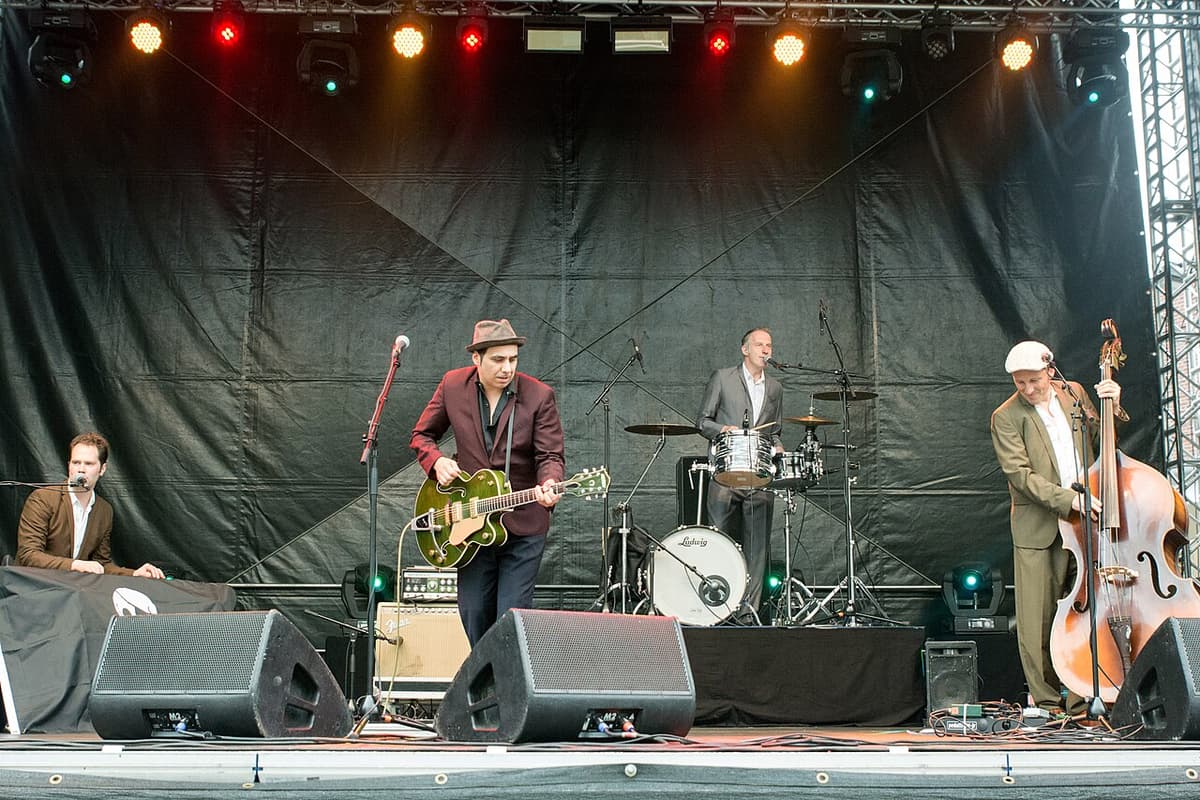
Shares energetic, playful, nostalgic (moods); rockabilly (subgenres)
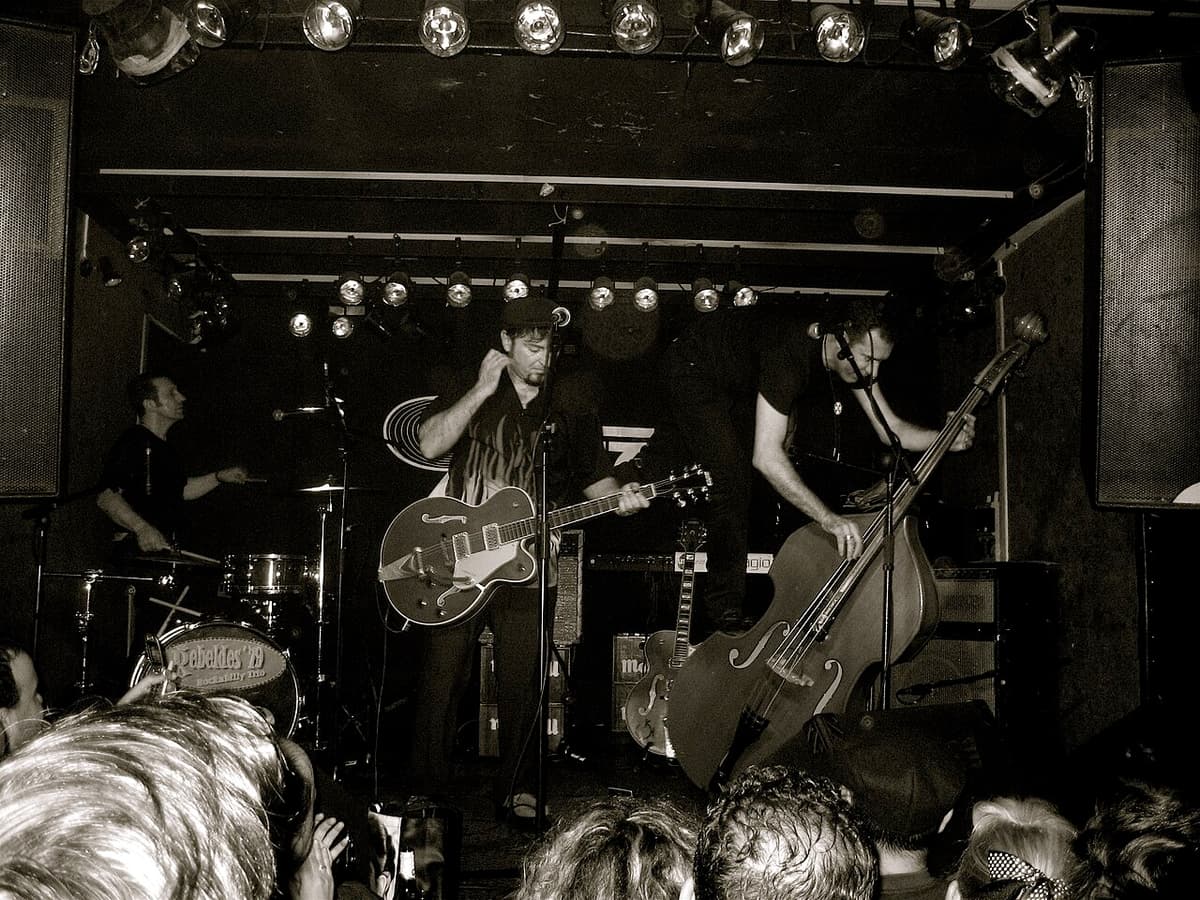
Shares twangy gretsch guitar leads, slap-back echo vocals, rockabilly, upright bass (detail)
Cassette uses generative AI to enrich its catalog. How we use AI →