Meniscus is a prominent Australian instrumental post-rock outfit formed in Sydney in 2005. They are characterized by a 'visual-first' approach to composition, largely due to the inclusion of Martin Wong as a core member responsible for live visual manipulation.
Their sound identity is built on the interplay between Daniel Oreskovic's delay-heavy guitar work and Alison Kerjean's unusually prominent, melodic bass lines, which often drive the songs more than the guitars. Historically, they emerged during the mid-2000s boom of instrumental rock, but they distinguished themselves by incorporating harder, 'post-metal' edges reminiscent of ISIS and the rhythmic complexity of progressive acts like Cog. Their career arc shows a steady evolution from the raw, atmospheric explorations of 'Absence of I' to the highly produced, multi-layered 'Refractions'. Critically, they are regarded as one of the 'Big Three' of Australian post-rock alongside Sleepmakeswaves and We Lost The Sea. Their influence is felt in the way they bridge the gap between the 'crescendo-core' of the 2000s and a more modern, electronic-integrated approach to heavy instrumental music.


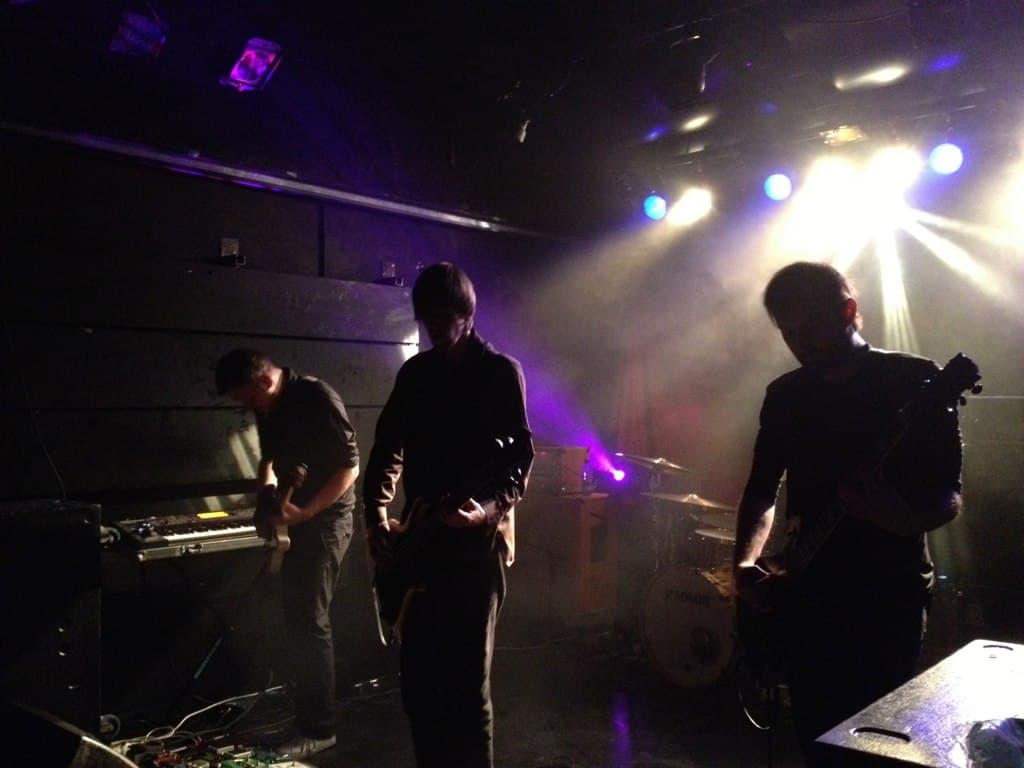
Shares intense, contemplative, triumphant (moods); post-rock, post-metal, progressive rock (subgenres)
Shares post-rock, post-metal, progressive rock (subgenres); instrumental_only (vocal style)
Shares post-rock, post-metal, progressive rock (subgenres); layered_dense, reverb_heavy, hi_fi (production style)
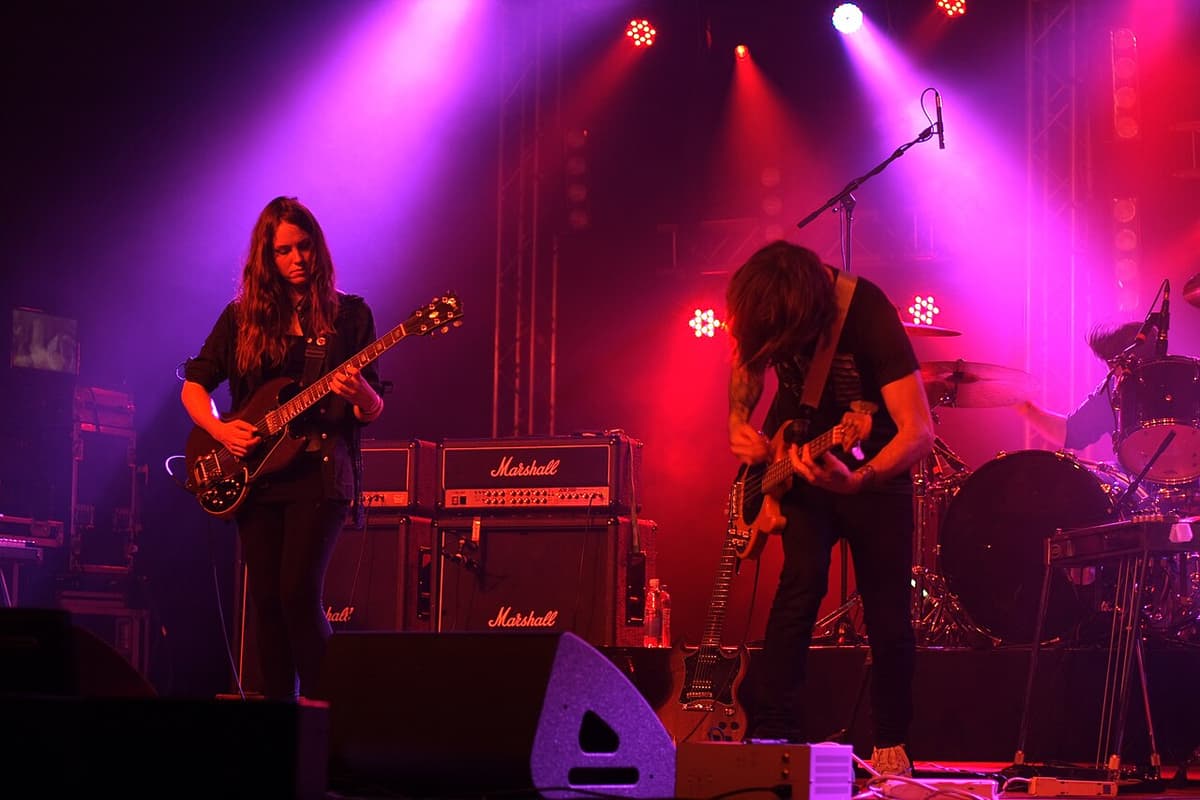
Shares post-rock, post-metal (subgenres); instrumental_only (vocal style)
Shares post-rock, progressive rock, post-metal (subgenres); intense, contemplative, triumphant (moods)
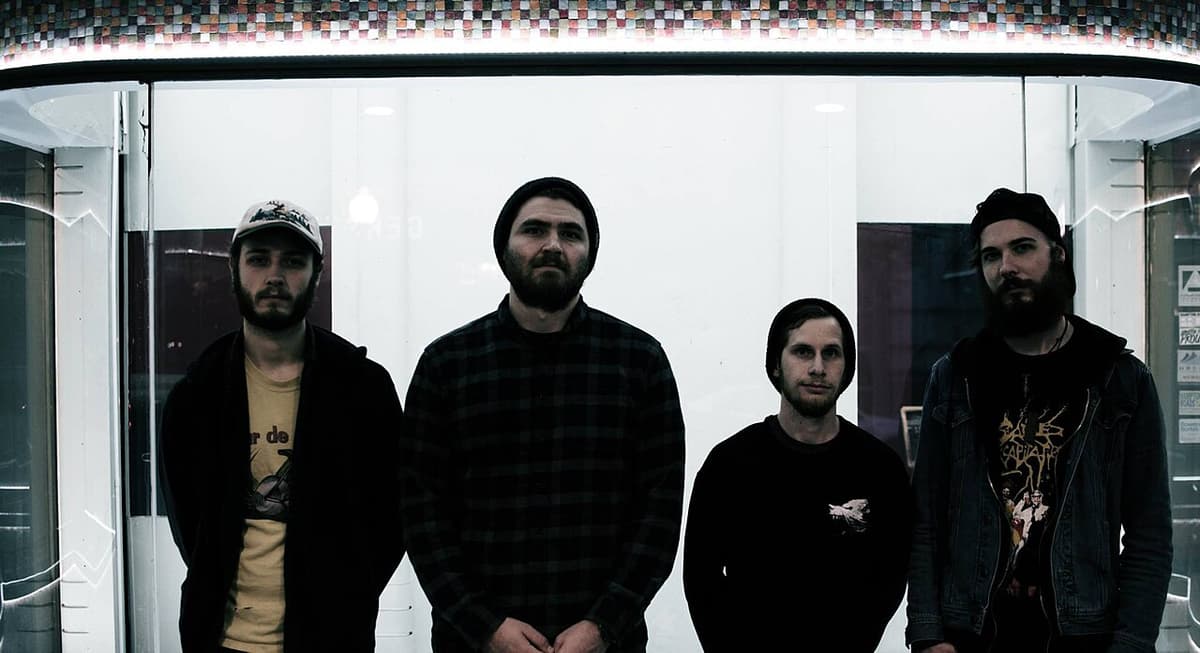
Shares progressive rock, post-rock, post-metal (subgenres); instrumental_only (vocal style)
Shares post-rock, progressive rock, art rock (subgenres); layered_dense, reverb_heavy, hi_fi (production style)
Cassette uses generative AI to enrich its catalog. How we use AI →