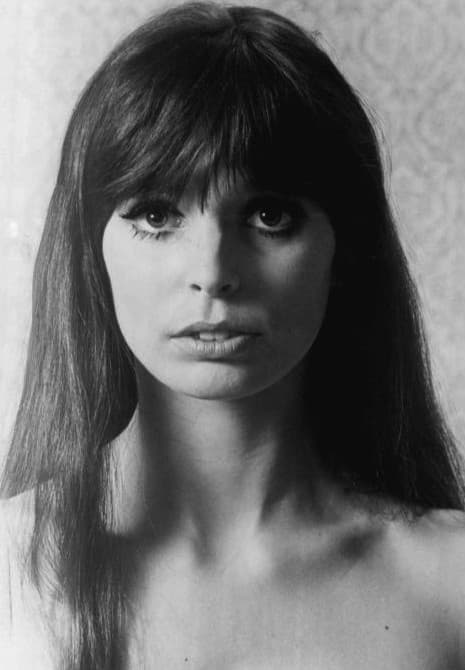
Merrilee Rush
Warm, breathy vocals meeting the lush orchestral soul of the late 60s. Gentle pop that feels like the first light of dawn after a long night.
Warm, breathy vocals meeting the lush orchestral soul of the late 60s. Gentle pop that feels like the first light of dawn after a long night.
Merrilee Rush occupies that magical, hazy space between the sophisticated pop of the late 1960s and the earthy grit of Memphis soul. Her sound is defined by a soft-focus intimacy, led by a voice that feels like a whispered secret even when backed by a full studio orchestra. It is music that captures the transition from night to day, balancing the weight of romantic reality with a shimmering, dreamlike production style.
What truly distinguishes Rush is the contrast between her classical piano training and her roots in the Pacific Northwest R&B scene. While she is often associated with the 'girl group' lineage, her work with producers like Chips Moman brought a muscular, soulful foundation to her melodic sensibilities. The result is a sound that is technically precise but emotionally vulnerable, utilizing breathy vocal phrasing that influenced a generation of soft rock and adult contemporary artists.
Start with her definitive 1968 album, 'Angel of the Morning'. The title track is an absolute masterclass in build and release, but the deeper cuts reveal a versatile performer capable of handling both psychedelic-tinged pop and straightforward blue-eyed soul. It is the perfect entry point for anyone who loves the intersection of Brill Building songwriting and Stax-adjacent production.
Merrilee Rush (née Gunst; January 26, 1944) is an American singer, best known for her recording of the song "Angel of the Morning", a top-10 hit which earned her a Grammy nomination for female vocalist of the year in 1968.
Shares traditional pop, soft rock, baroque pop (subgenres); analog warmth, orchestral arrangement, studio polished (production style)
Shares analog warmth, orchestral arrangement, studio polished (production style); traditional pop, soft rock, baroque pop (subgenres)
Shares traditional pop, soft rock, country pop (subgenres); analog warmth, orchestral arrangement, studio polished (production style)

Shares analog warmth, orchestral arrangement, studio polished (production style); bittersweet, nostalgic, romantic (moods)
Shares analog warmth, orchestral arrangement, studio polished (production style); traditional pop, soft rock (subgenres)

Shares traditional pop, soft rock, country pop (subgenres); analog warmth, orchestral arrangement, studio polished (production style)

Shares traditional pop, soft rock, country pop (subgenres); analog warmth, orchestral arrangement, studio polished (production style)
Shares traditional pop, soft rock (subgenres); analog warmth, studio polished, orchestral arrangement (production style)
Shares traditional pop, soft rock, baroque pop (subgenres); analog warmth, orchestral arrangement, studio polished (production style)
Shares traditional pop, soft rock (subgenres); analog warmth, orchestral arrangement, studio polished (production style)
Shares country pop, soft rock, traditional pop, tender (subgenre)
Cassette uses generative AI to enrich its catalog. How we use AI →
