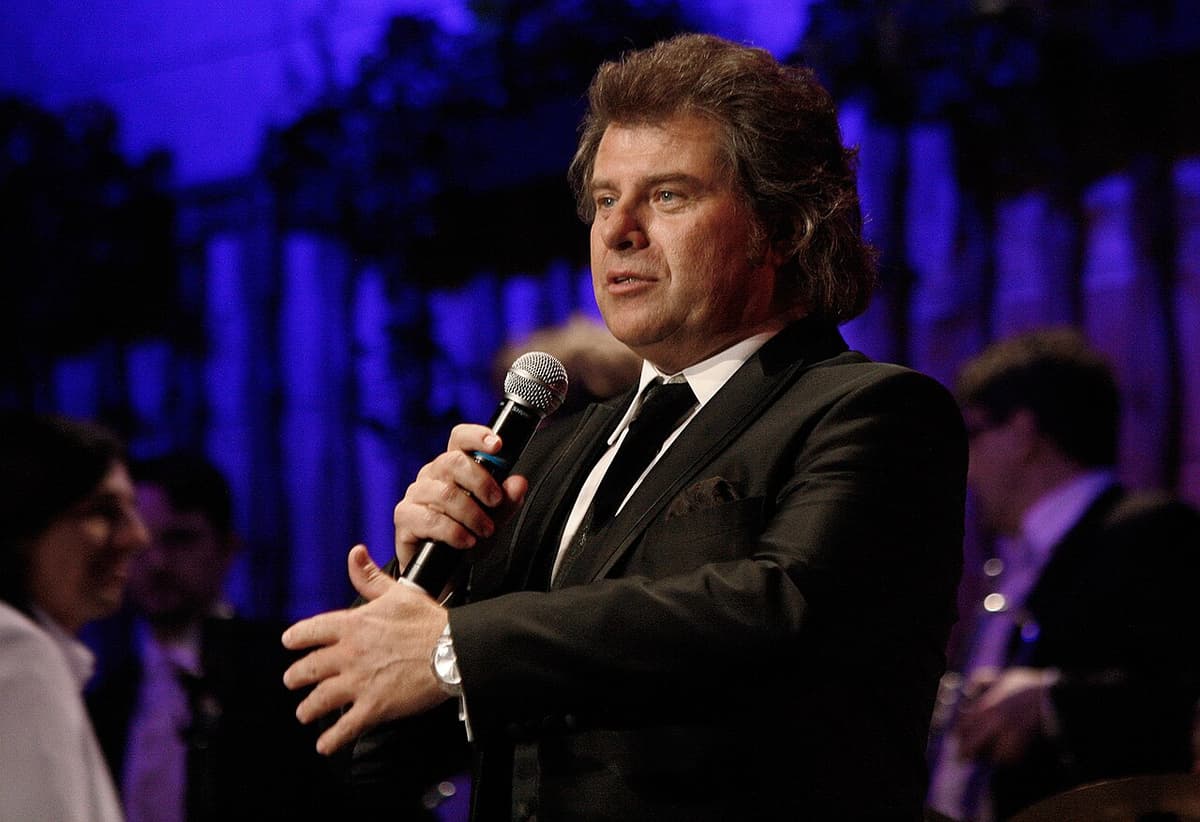
Michael Holm
Golden-era German pop with a sun-drenched, melodic heart. Warm orchestral arrangements and crooning vocals that feel like a nostalgic postcard from the 1970s.
Golden-era German pop with a sun-drenched, melodic heart. Warm orchestral arrangements and crooning vocals that feel like a nostalgic postcard from the 1970s.
Michael Holm is the architect of a specific kind of German musical sunshine. His sound is rooted in the high-production values of the 1970s, where lush string sections met steady, driving rhythms and acoustic guitars. It is music that feels inherently outdoorsy and optimistic, even when touching on themes of longing or lost love. His voice, a steady and comforting baritone, anchors these arrangements with a sense of approachable charisma.
What truly sets Holm apart is his versatility as a bridge-builder. He famously took international hits and translated them into the German cultural vernacular, but he did so with a sophisticated ear for production that often rivaled the originals. His work oscillates between the foot-stomping energy of 'Mendocino' and the cinematic, almost spiritual weight of 'Tränen lügen nicht,' showcasing a range that spans from campfire singalongs to grand studio ballads.
For those new to his catalog, the best place to start is his 1970 landmark 'Auf der Straße nach Mendocino.' It captures him at his commercial and creative peak, blending the infectious energy of late 60s pop with the polished, professional sheen that would define the next decade of German entertainment. It is the perfect soundtrack for a long drive or a relaxed afternoon with friends.
Michael Holm (born Lothar Walter; on 29 July 1943) is a German singer, musician, songwriter and record producer. He is primarily known as a singer of Schlager music. Although his first appearance in the hit parade was in 1962 ("Lauter schöne Worte"), he had his first big hit in 1969. "Mendocino", the German adaptation of a song by the Sir Douglas Quintet, was the biggest selling single that year in (Germany). The record was released in September 1969, reached number three for five weeks, selling over a million copies. Ariola presented him with a gold record in October 1970. Further hits such as "Barfuß im Regen" (1970), "Tränen lügen nicht" (literally, "Tears Don't Lie", recorded in English as "When A Child Is Born") (1974) and "Musst Du jetzt gerade gehen, Lucille" (1977) followed. He also composed the music for the popular international horror movie Mark of the Devil (1970). Outside of Germany, he is best known for his work as a member of the new age band Cusco, along with Kristian Schultze. A year-long artistic collaboration and private friendship connects him with the musician and producer Giorgio Moroder. As a duo, they released several singles and an album.
Shares nostalgic, sentimental, joyful (moods); traditional pop, soft rock (subgenres)
Shares traditional pop, soft rock (subgenres); studio polished, orchestral arrangement, analog warmth (production style)
Shares traditional pop, soft rock (subgenres); studio polished, orchestral arrangement, analog warmth (production style)
Shares studio polished, orchestral arrangement, analog warmth (production style); traditional pop, soft rock (subgenres)
Shares nostalgic, sentimental, joyful (moods); traditional pop, soft rock (subgenres)
Shares traditional pop, soft rock (subgenres); analog warmth, studio polished, orchestral arrangement (production style)
Shares traditional pop, crooning, nostalgic, soft rock (signature)
Cassette uses generative AI to enrich its catalog. How we use AI →