MIQ (formerly MIO) sounds like the intersection of 1980s Tokyo city pop and American soul royalty. While her contemporaries often leaned into high-pitched, delicate deliveries, MIQ commands the room with a deep, husky alto that carries the weight of Aretha Franklin and Chaka Khan. Her music is defined by soaring brass sections, driving analog synths, and a sense of cinematic urgency that makes every track feel like the climax of a space opera.
What truly sets her apart is the 'soul' in her J-Pop. There is a grit and a rhythmic sophistication in her phrasing that was revolutionary for the anime song (anisong) industry in the 80s. She doesn't just sing melodies; she attacks them with a bluesy intensity, using a throaty vibrato and powerful chest voice that bridges the gap between disco-funk and hard rock.
Start with her work on the 'Aura Battler Dunbine' or 'Heavy Metal L-Gaim' soundtracks. These tracks represent the gold standard of her style: high-energy, technically demanding, and emotionally resonant. They are perfect for anyone who loves the aesthetic of 80s Japan but wants a vocalist with more muscle and gravitas.
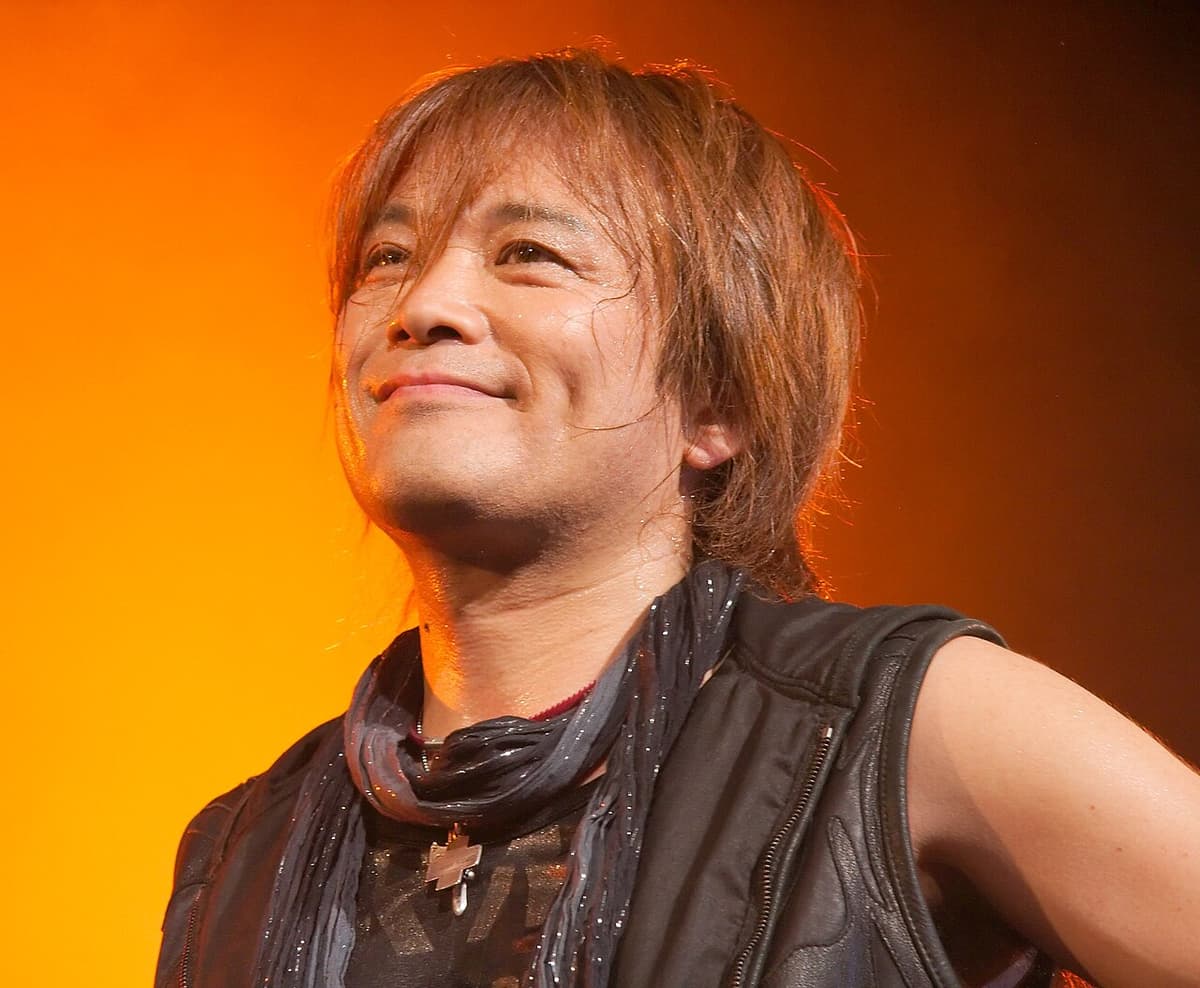
MIQ (三玖, Miku; born October 3, 1955), previously known as MIO, is a Japanese pop singer and vocal trainer from Minato, Tokyo. She is known for her performances on the soundtracks of various anime, notably the theme songs of Sunrise's Combat Mecha Xabungle, Aura Battler Dunbine, Heavy Metal L-Gaim, Star Musketeer Bismark and Mobile Suit Gundam 0083 Stardust Memory. The throaty, soulful timbre of her voice was uncharacteristic of Japanese vocalists of the 1980s (although it has become more commonplace today). MIQ has listed Aretha Franklin, Anita Baker, and Chaka Khan as influences on her vocal style. Her vocal delivery was a major reason she was signed to a contract with King Records. She is also fairly fluent in English as is evident by her English renditions of "Dunbine Tobu" and "Time for L-Gaim" and noted by fellow anime theme singer Ichirou Mizuki at ANIME JAPAN FES IN HK 2007 in Hong Kong.


Shares studio polished, analog warmth, orchestral arrangement (production style); synth-pop, soul (subgenres)

Shares studio polished, orchestral arrangement, analog warmth (production style); belting, raspy, intense (vocal style)
Shares stargazing, urban night, festival (atmosphere); keys/synth, electric guitar, drums (instrumentation)
Shares studio polished, analog warmth, orchestral arrangement (production style); stargazing, urban night, festival (atmosphere)
Shares stargazing, urban night, festival (atmosphere); studio polished, analog warmth, orchestral arrangement (production style)


Shares studio polished, analog warmth, orchestral arrangement (production style); synth-pop, soul (subgenres)
Shares keys/synth, electric guitar, drums (instrumentation); stargazing, urban night, festival (atmosphere)
Shares triumphant, confident, soulful (moods); studio polished, analog warmth, orchestral arrangement (production style)
Shares studio polished, analog warmth, orchestral arrangement (production style); urban night, stargazing, festival (atmosphere)

Cassette uses generative AI to enrich its catalog. How we use AI →