Mount Eerie
Raw, unvarnished folk that feels like a conversation in a cold room. Intimate acoustic sketches and heavy, nature-obsessed textures for quiet, heavy-hearted moments.
Raw, unvarnished folk that feels like a conversation in a cold room. Intimate acoustic sketches and heavy, nature-obsessed textures for quiet, heavy-hearted moments.
Formed in Anacortes, Washington, in 2003, Mount Eerie is the solo project of songwriter and producer Phil Elverum.
Following the retirement of his previous moniker, The Microphones, Elverum established this new vehicle to continue his highly personal brand of fuzz-folk. Operating primarily through his own independent label, P.W. Elverum & Sun, he pairs sparse acoustic instrumentation, analog synthesizers, and dense, naturalistic lyricism with hand-crafted physical packaging.
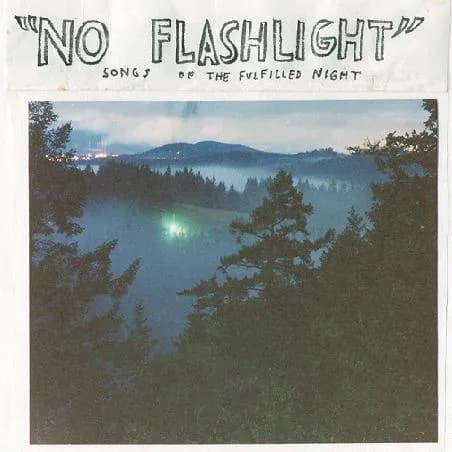
A cold draft slips under the door frame while a tape machine hisses in the corner. Recorded in pitch-black rooms, these songs trade clean production for the damp, heavy silence of Washington state at midnight. Footsteps creak on floorboards, acoustic guitars buzz against fingernails, and sudden, booming drums mimic thunder over the pines. You are sitting on the floor in the dark, listening to someone whisper secrets they only share when the rest of the world is asleep.
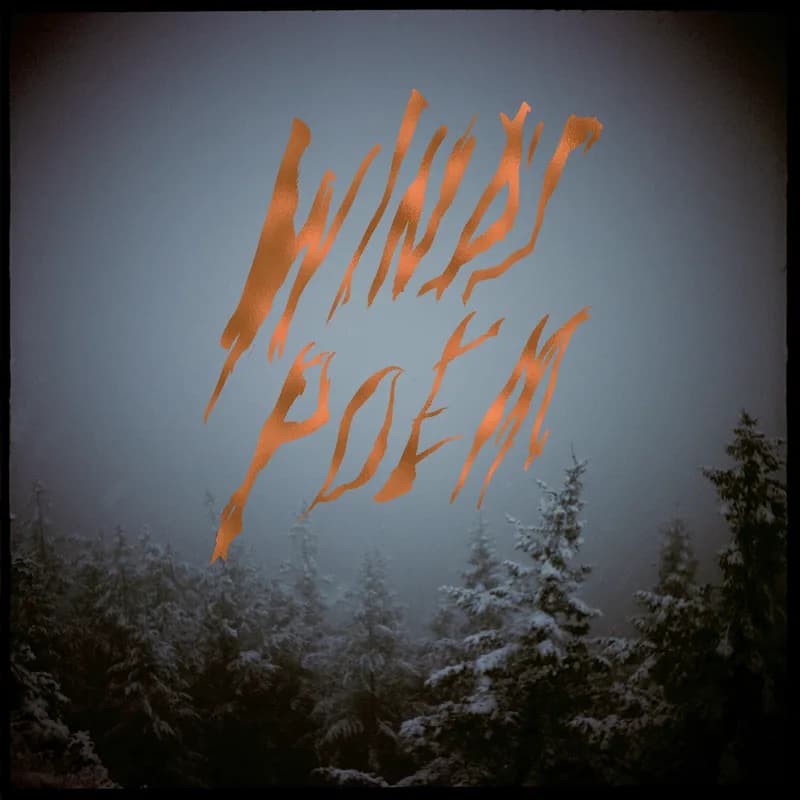
Thick, black-metal distortion crashes into the quiet of a cedar forest, burying the familiar acoustic guitar under a wall of blown-out hiss. This record abandons the gentle, campfire folk of the past to let the terrifying roar of the wind take over. You are no longer sitting in a cozy cabin; you are standing on a wet cliffside in the Pacific Northwest, listening to cheap microphones clip and distort under the weight of a storm. Analog hiss and heavy, slow-motion drumming turn grief into something massive, cold, and loud, proving that silence is not the only way to mourn.
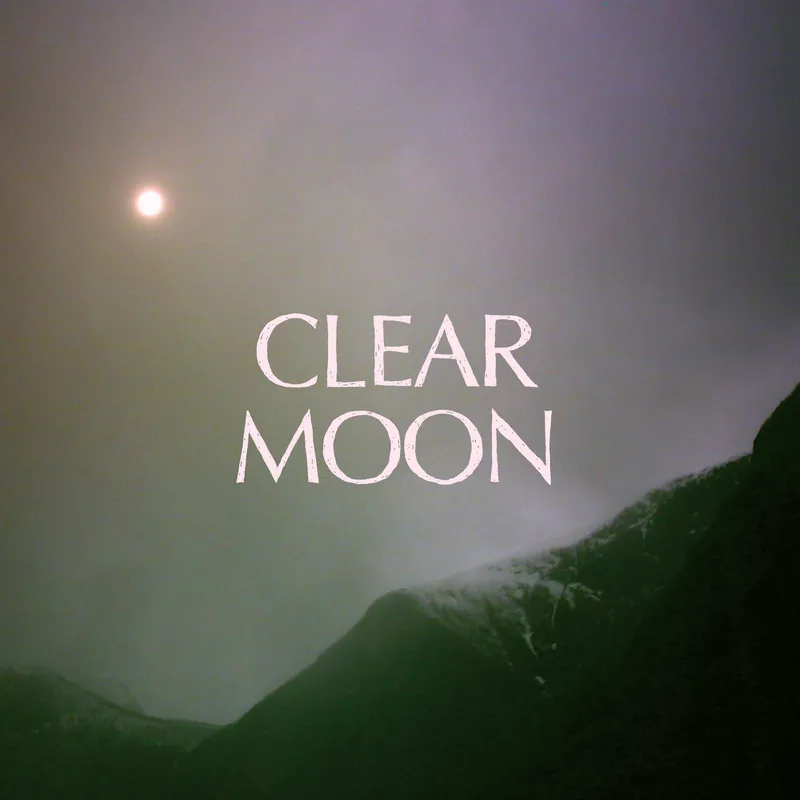
A heavy fog rolls off the Pacific, settling into the damp cedar floorboards of an old church studio where acoustic guitars collide with low, humming analog synthesizers. This record perfected a fragile, wet-wood minimalism, trading raw, blown-out tape hiss for a spacious, deliberate clarity. You can feel the cold Washington air in the quiet gaps between the slow-strummed chords and the sudden, metallic chime of bells. It is the exact point where isolated Pacific Northwest folk finally merged with the patient, repeating pulses of early electronic music, turning a rainy hometown backyard into something vast, holy, and still.
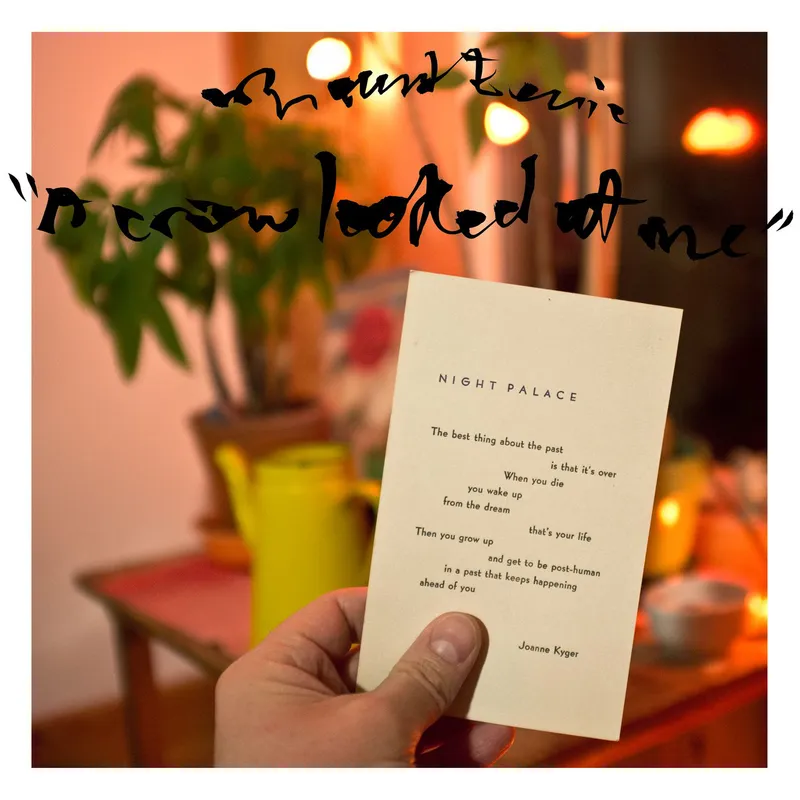
Grief, recorded in the room she died in
A package of hospital-grade diapers sits unopened on the floor, a physical relic of a life cut short that transforms this record from mere music into an agonizing, real-time document of grief. Abandoning the mythic, cavernous indie-folk of his past, the artist recorded these stark, bone-dry songs in the very room where his wife died, strumming her own acoustic guitar. You are not listening to a performance; you are trespassing on a private wake. By stripping away all poetic metaphor, this album redefined the limits of musical intimacy, proving that true tragedy is not grand, but devastatingly quiet.
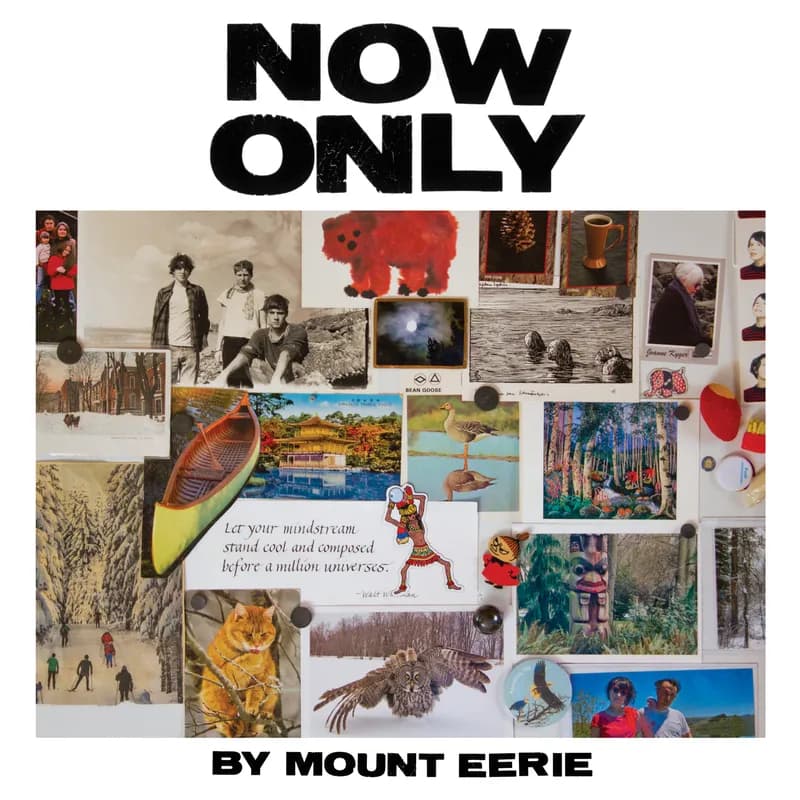
A cold room, the smell of old paper, and the dry scrape of nylon strings against a thumb. These songs sit right in the quiet space where someone used to be, interrupted by sudden, loud bursts of electric guitar that feel like a door slamming in an empty house. You are listening to a man talking to himself in the dark, trying to make sense of the laundry and the silence. It is heavy, plain, and devastatingly quiet.
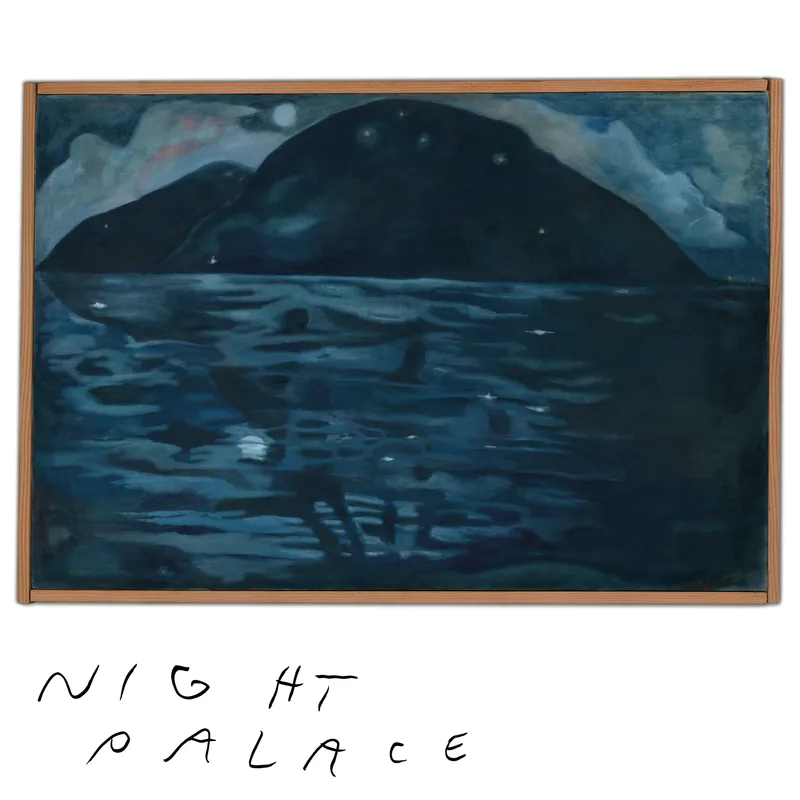
Rainwater drips from cedar needles into a microphone, mixing with the hum of a cheap cassette deck. These twenty-six tracks feel like a door left open to the damp woods, where quiet acoustic strumming suddenly gives way to bursts of distorted static and slow, electronic pulses. You are sitting on a cold porch in the dark, listening to someone piece together their world out of tape hiss, wind, and the heavy silence that follows a storm.
Phil Elverum continues to record and tour under the Mount Eerie moniker, maintaining an uncompromisingly independent path from his home base in Washington.
His vast body of work stands as a singular, home-recorded chronicle of existence, shifting from elemental noise to the quietest corners of domestic life and grief. By treating his immediate surroundings as both instrument and subject, he has built a deeply personal sonic geography that remains entirely free from commercial compromise.
Shares solitude, chamber folk, cabin_in_woods, field_recordings (signature)
Shares solitude, lo_fi, chamber folk, cabin_in_woods (signature)
Shares nature, chamber folk, cabin_in_woods, indie folk (signature)
Shares solitude, chamber folk, cabin_in_woods, field_recordings (signature)
Shares chamber folk, cabin_in_woods, indie folk, stripped_back (subgenre)
Shares solitude, chamber folk, cabin_in_woods, indie folk (signature)
Cassette uses generative AI to enrich its catalog. How we use AI →