MOZGI
High-octane Ukrainian pop-rap designed for the loudest speakers possible. Aggressive club beats meet tongue-in-cheek bravado for peak party energy.
High-octane Ukrainian pop-rap designed for the loudest speakers possible. Aggressive club beats meet tongue-in-cheek bravado for peak party energy.
MOZGI is a prominent Ukrainian supergroup and production project founded by Alexey Potapenko (Potap). Their sound identity is defined by 'heavy' pop-rap, characterized by aggressive EDM production, trap percussion, and deep, often processed male vocals.
Emerging in the mid-2010s, they successfully bridged the gap between mainstream pop and the burgeoning electronic club scene in Eastern Europe. The project is notable for its high-concept visual identity and its role in the MOZGI Entertainment label, which has shaped the modern Ukrainian pop landscape. Critically, they are viewed as masters of the 'hook,' utilizing repetitive, rhythmic slogans that function as cultural memes. Their influence is seen in the rise of dance-focused rap across the CIS region, blending Western production standards with local linguistic and rhythmic sensibilities. Despite the playful nature of their lyrics, the technical execution of their tracks is consistently high-fidelity, favoring a maximalist approach to sound design.
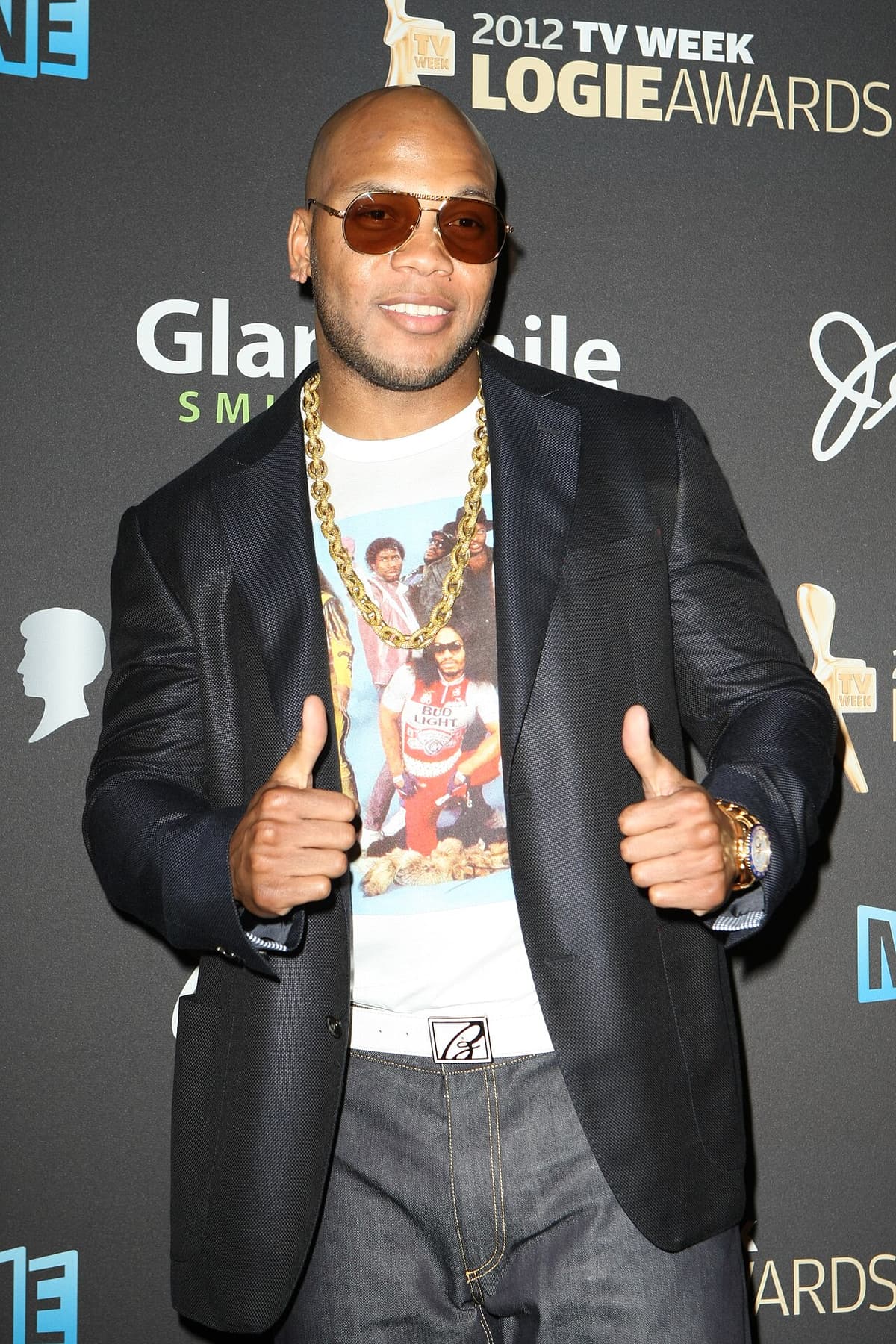
Shares pop rap, dance-pop, electropop (subgenres); maximalist, digital_clarity, compressed_loud (production style)

Shares maximalist, digital_clarity, compressed_loud (production style); trap, pop rap, dance-pop (subgenres)
Shares dance-pop, electropop, pop rap (subgenres); maximalist, digital_clarity, compressed_loud (production style)
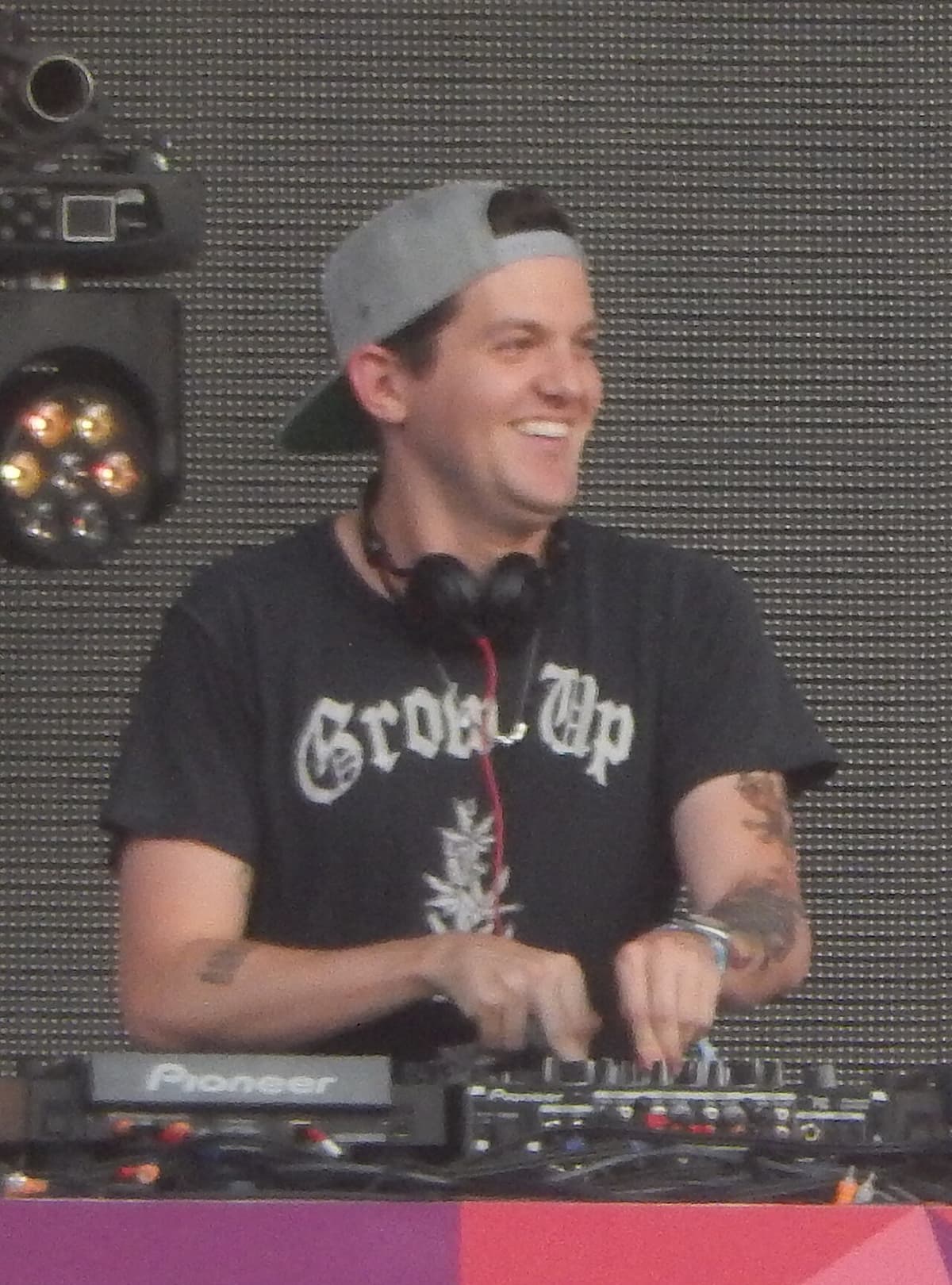
Shares playful, energetic, confident (moods); maximalist, digital_clarity, compressed_loud (production style)
Shares dance-pop, electropop, trap (subgenres); maximalist, digital_clarity, compressed_loud (production style)
Shares dance-pop, eurodance, pop rap (subgenres); maximalist, digital_clarity, compressed_loud (production style)
Shares playful, energetic, confident (moods); maximalist, digital_clarity, compressed_loud (production style)
Shares pop rap, eurodance, playful, trap (signature)
Cassette uses generative AI to enrich its catalog. How we use AI →