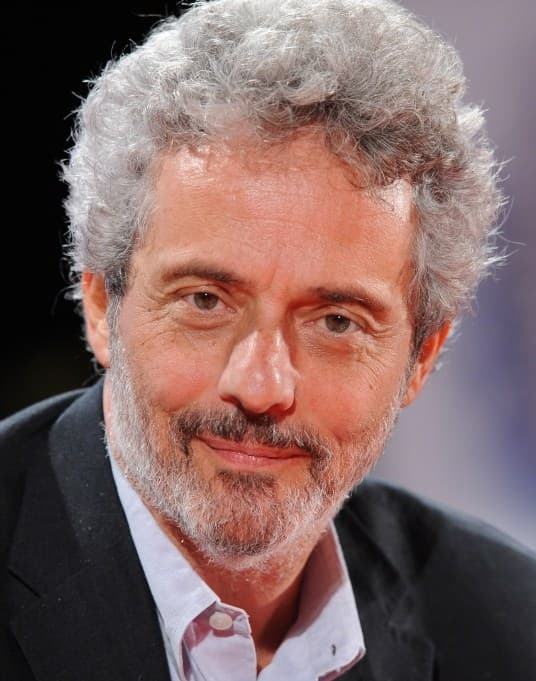
Nicola Piovani
Elegant, bittersweet Italian scores that balance circus-like playfulness with profound melodic longing. The sound of a smile through tears.
Elegant, bittersweet Italian scores that balance circus-like playfulness with profound melodic longing. The sound of a smile through tears.
Nicola Piovani creates music that feels like a shared secret between the composer and the listener. It is deeply rooted in the Italian tradition of melodic lyricism, often featuring a prominent, crystalline piano accompanied by warm strings and characterful woodwinds. There is a specific kind of 'lightness' to his work that never feels trivial; instead, it captures the delicate balance between joy and tragedy, much like the films he scores.
What distinguishes Piovani is his ability to use small ensemble textures to create massive emotional resonance. While his peers might lean into grand operatic gestures, Piovani often favors a chamber-like intimacy. You can hear the influence of the circus and the theater in his rhythmic choices, giving the music a sense of movement and narrative even when detached from the screen.
Start with the Academy Award-winning score for 'Life Is Beautiful' to hear his most iconic themes. From there, explore 'Caro Diario' for a more contemplative, breezy experience, or 'Good Morning Babylone' to hear his knack for period-accurate yet emotionally timeless arrangements.
Nicola Piovani (born 26 May 1946) is an Italian composer of contemporary classical music and film, television, and theatrical scores. A graduate of the Verdi Conservatory and pupil of Manos Hatzidakis, he began his professional career in the 1960s, and has written over 190 film scores since 1968. He is known for his collaborations with eminent directors like Roberto Benigni, Giuseppe Tornatore, Mario Monicelli, Nanni Moretti, and the Taviani Brothers. Piovani succeeded Nino Rota as Federico Fellini's go-to composer for his final three films. He won an Academy Award and was nominated for a Grammy Award for his work on Benigni's Life Is Beautiful (1997). Aside from his film scores, Piovani also works in musical theatre and opera, and also writes concert and chamber music.
Cassette uses generative AI to enrich its catalog. How we use AI →

