Ocoai was an instrumental quintet from Johnson City, Tennessee, active between 2006 and 2012. Originally conceived as a studio project by engineer Travis Kammeyer to explore the limits of instrumental heaviness, the band evolved into a sophisticated ensemble that bridged the gap between the Appalachian metal scene and neoclassical composition.
Their sound is characterized by a 'symphonic sludge' aesthetic, particularly following the addition of cellist Cody Ledford. Their 2008 masterpiece, Breatherman, solidified their reputation for using non-traditional rock instruments like trumpet, pipe organ, and gongs to enhance the cinematic scale of their post-metal foundations. Critically, they are often grouped with the 'Southern post-rock' movement, though their work is significantly heavier and more textured than their peers. They were a central pillar of the East Tennessee experimental scene, frequently collaborating with members of Generation of Vipers and Mouth Movements before retiring in 2012.


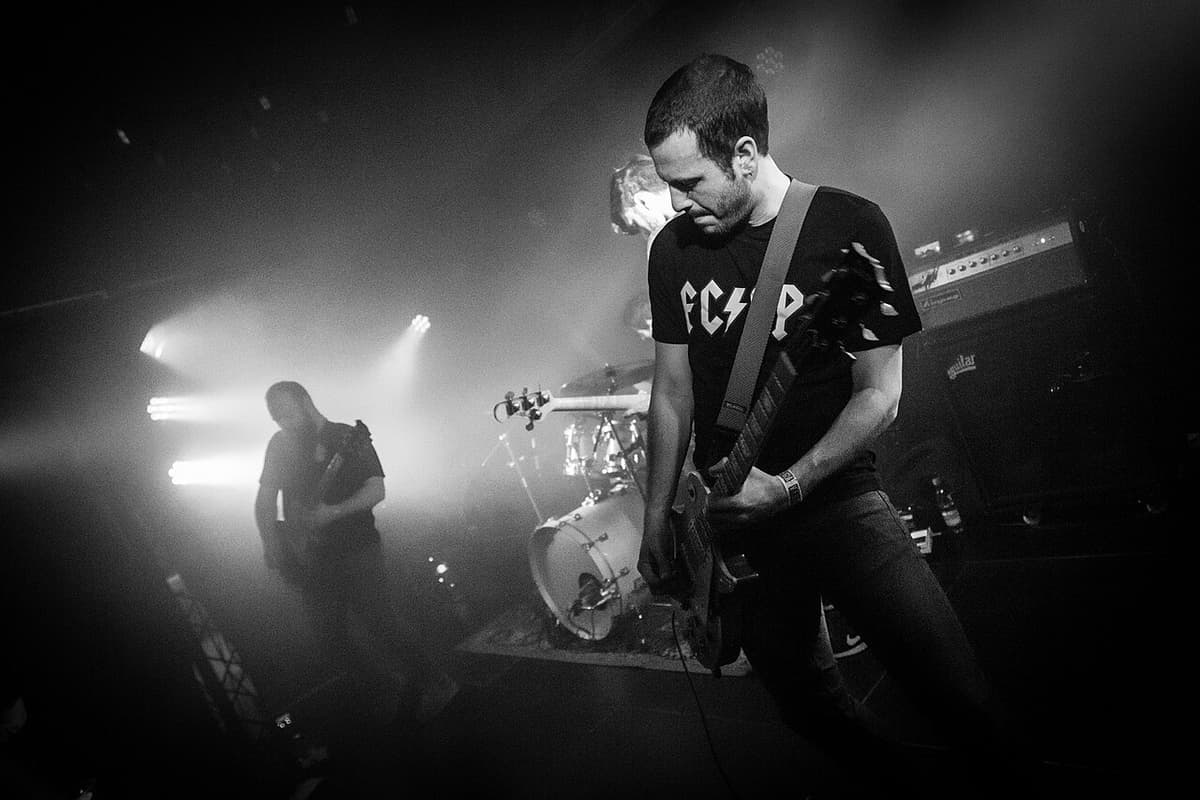
Shares post-rock, post-metal, sludge metal (subgenres); instrumental_only (vocal style)
Shares post-rock, post-metal (subgenres); instrumental_only (vocal style)
Shares post-rock, post-metal, sludge metal (subgenres); instrumental_only (vocal style)
Shares post-rock, post-metal, sludge metal (subgenres); wall_of_sound, layered_dense, analog_warmth (production style)
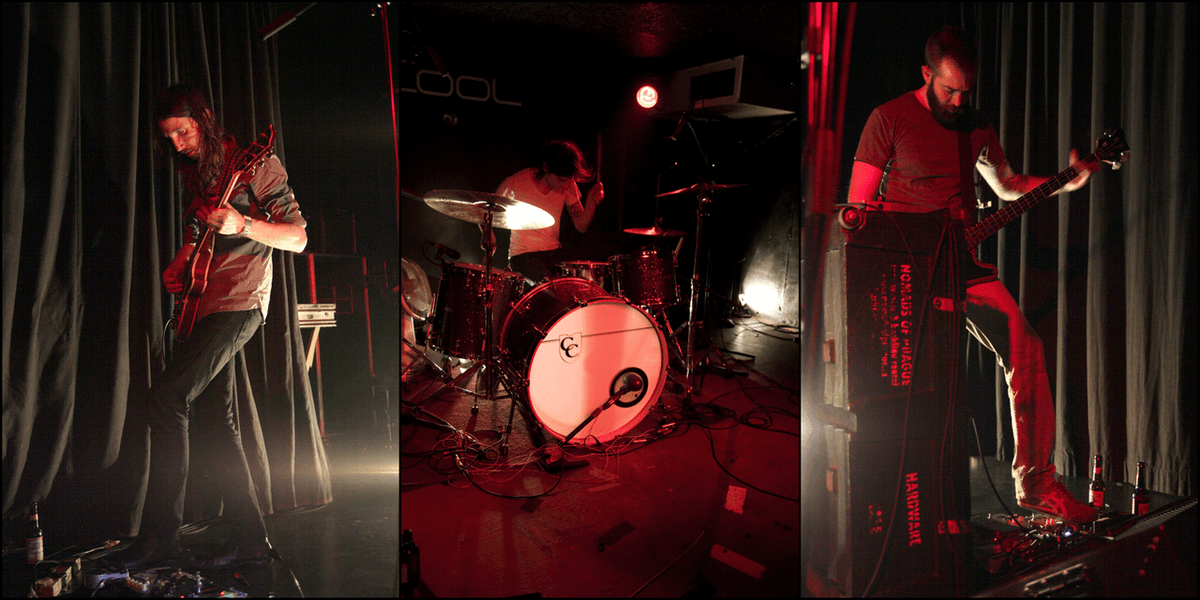
Shares post-rock, post-metal, sludge metal (subgenres); instrumental_only (vocal style)
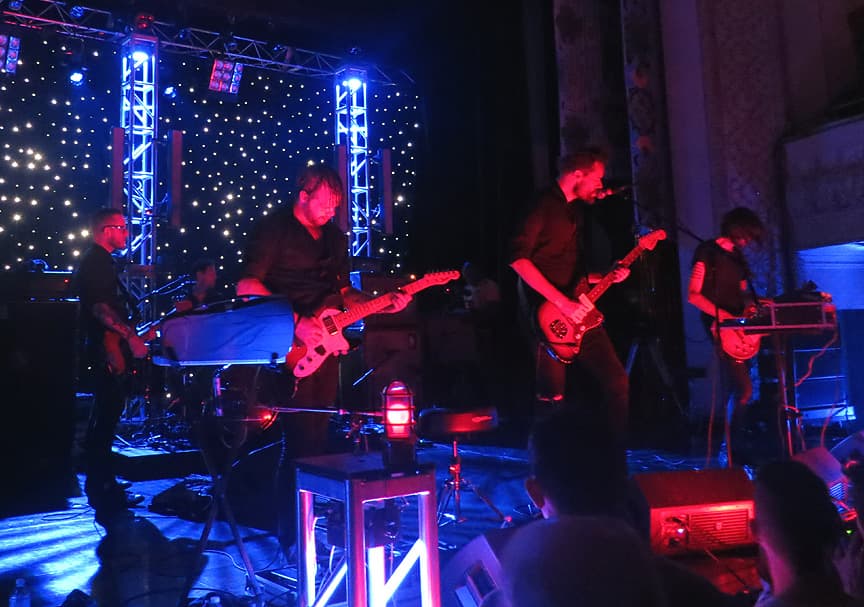
Shares post-rock, post-metal (subgenres); wall_of_sound, dynamic_range, layered_dense (production style)
Shares post-rock, post-metal (subgenres); wall_of_sound, dynamic_range, layered_dense (production style)
Shares post-rock, post-metal, sludge metal (subgenres); intense, brooding, contemplative (moods)
Shares post-metal, sludge metal, post-rock, mountain (subgenre)
Cassette uses generative AI to enrich its catalog. How we use AI →