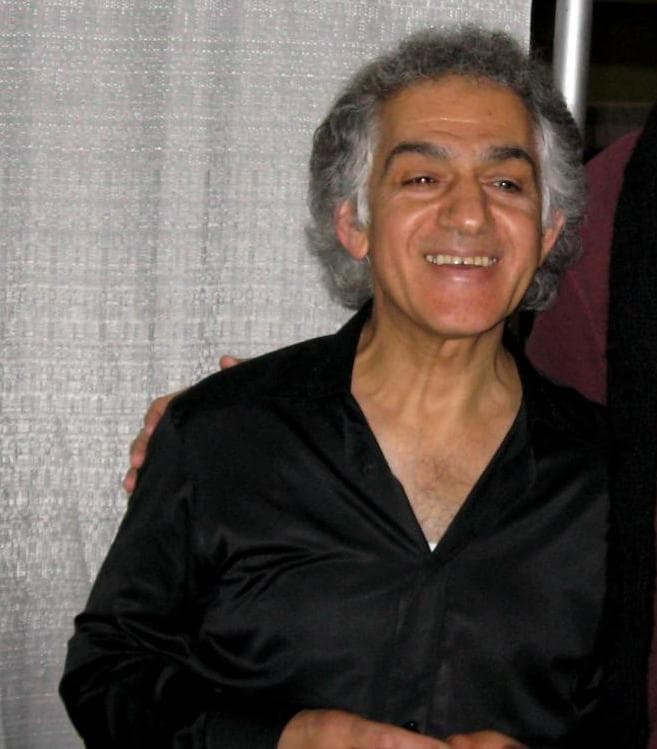
Omar Faruk Tekbilek
Haunting Sufi melodies where ancient woodwinds meet modern ambient textures. A meditative bridge between the mystical East and contemporary electronic stillness.
Haunting Sufi melodies where ancient woodwinds meet modern ambient textures. A meditative bridge between the mystical East and contemporary electronic stillness.
The music of Omar Faruk Tekbilek feels like a slow walk through a centuries-old courtyard at dusk. It is defined by the breathy, hollow timber of the ney flute, which carries a sense of ancient longing across vast, open sonic spaces. There is a profound stillness at the core of his work, even when the percussion begins to weave intricate, driving patterns underneath the melody.
What sets Tekbilek apart is his ability to blend the sacred traditions of the Mevlevi Dervishes with a sophisticated, cinematic production style. He doesn't just play folk music; he creates immersive environments where the oud, kaval, and zurna interact with subtle electronic washes and deep, resonant reverb. It is music that feels both grounded in the earth and reaching for something celestial.
For those new to his catalog, starting with his collaborations with Brian Keane offers the most accessible entry point. These recordings highlight his virtuosity while framing the traditional Turkish elements within a melodic, atmospheric structure that rewards deep, focused listening and provides a perfect backdrop for introspection.
Omer Faruk Tekbilek (Turkish: Ömer Faruk Tekbilek, born 1951) is a Turkish musician and composer who plays a wide range of wind, string, percussion, and electronic instruments. He has developed a style that builds on traditional Sufi music while incorporating inspiration from ambient electronic musicians, most notably Brian Keane. He is best known for his performances with the flute-like ney, but also plays the piccolo-like kaval, and the double-reed zurna. Among stringed instruments, he plays the oud and the bağlama.
Cassette uses generative AI to enrich its catalog. How we use AI →


