Oppenheimer was a pivotal duo in the Belfast indie scene of the mid-2000s, consisting of Shaun Robinson and Rocky O'Reilly. Emerging from the remains of Torgas Valley Reds, they pivoted toward a sound that blended the twee sensibilities of indie pop with the burgeoning availability of electronic production tools.
Their sound identity is defined by 'fuzz-pop' aesthetics: combining distorted analog synths with clean, bright vocal harmonies. They occupied a unique cultural space, touring with high-profile US indie acts like OK Go and They Might Be Giants, which reflected their affinity for quirky, hook-driven songwriting. Critically, they were often grouped with the 'indietronica' movement, though their focus remained firmly on traditional pop structures rather than experimental textures. Their career arc was relatively brief, culminating in a 2009 split that saw O'Reilly move into prominent production work. They remain a cult favorite for their ability to bridge the gap between the DIY bedroom-pop ethos and polished, television-ready sync potential.


Shares indie pop, electropop, synth-pop (subgenres); playful, wistful, joyful (moods)
Shares indie pop, electropop, synth-pop (subgenres); gentle, harmonized, breathy (vocal style)
Shares indie pop, electropop, synth-pop (subgenres); playful, wistful, joyful (moods)
Shares indie pop, electropop, synth-pop (subgenres); bedroom_production, analog_warmth, layered_dense (production style)
Shares indie pop, electropop, synth-pop (subgenres); bedroom_production, analog_warmth, layered_dense (production style)
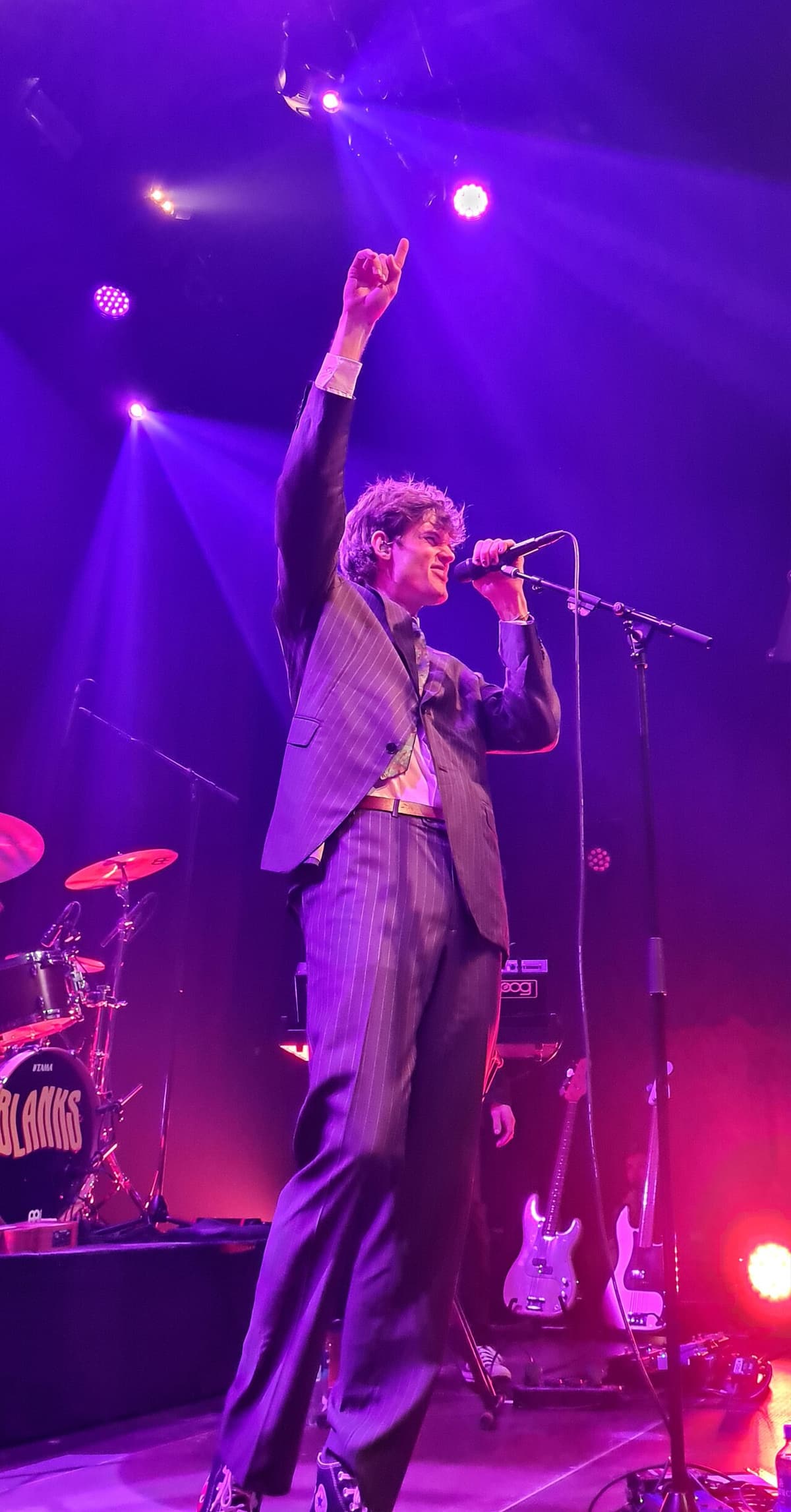
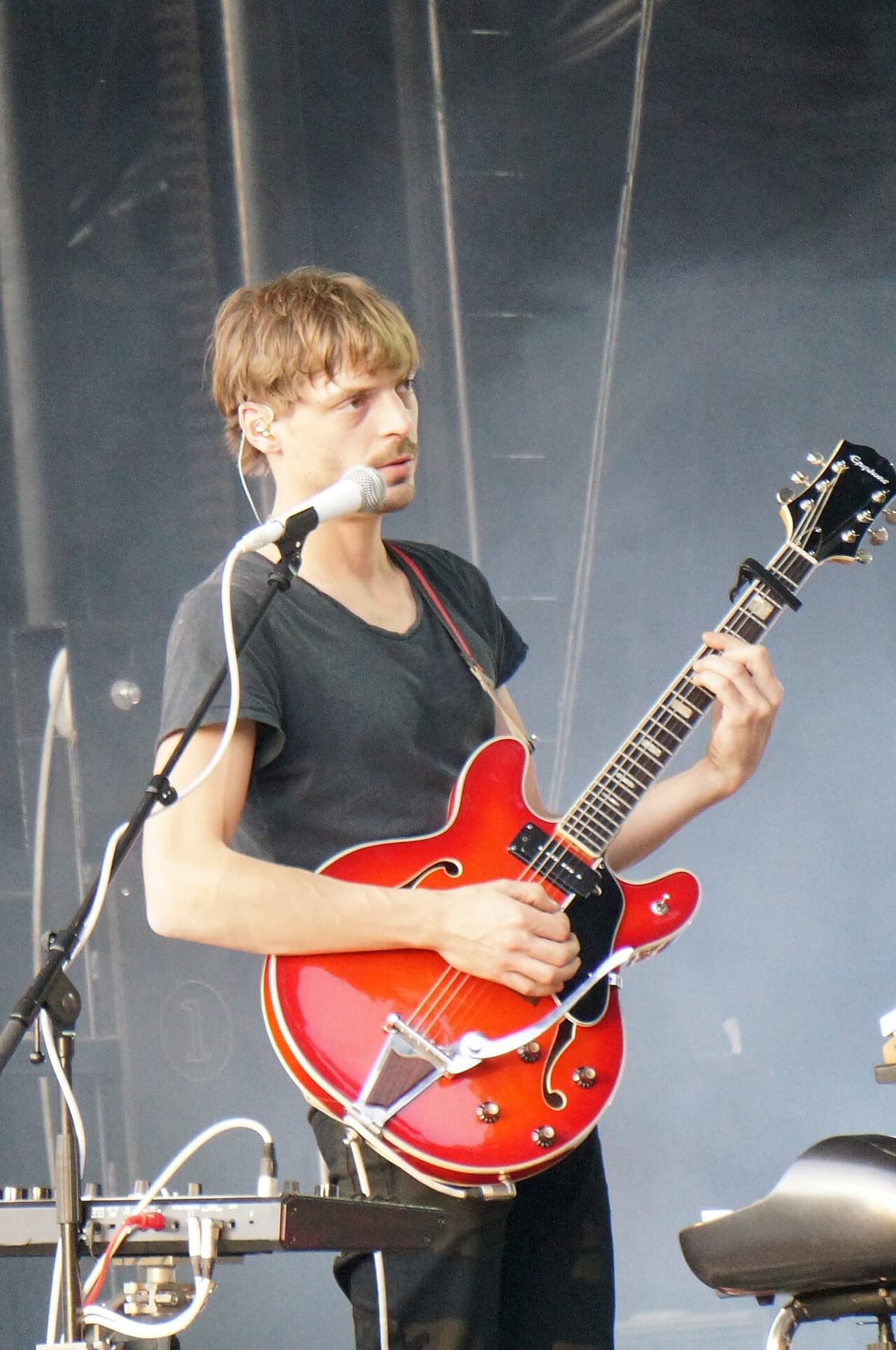
Shares indie pop, electropop, synth-pop (subgenres); analog_warmth, layered_dense, digital_clarity (production style)
Shares indie pop, synth-pop, chamber pop (subgenres); gentle, harmonized, breathy (vocal style)
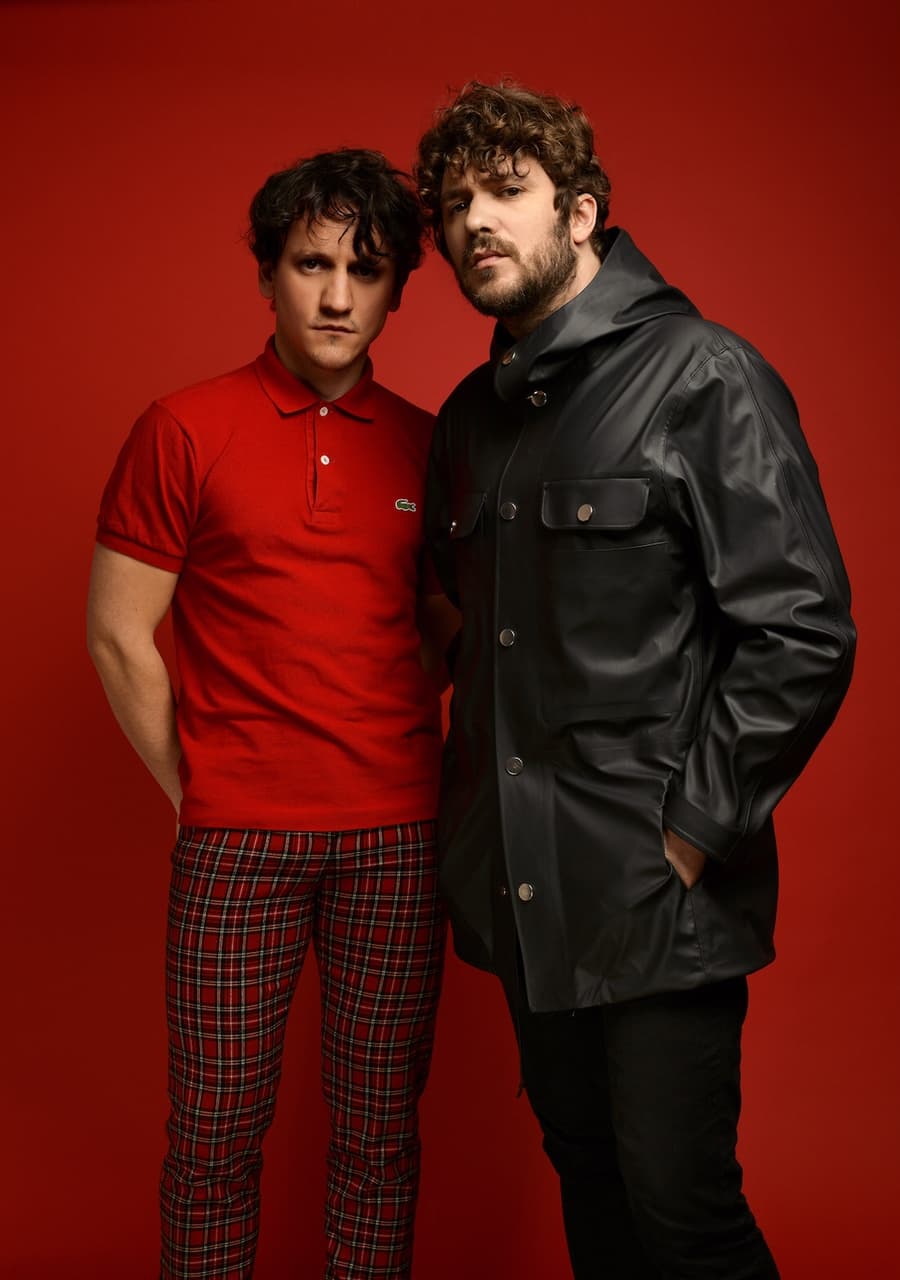
Shares harmonized, electropop, vocal_layering, chamber pop (signature)
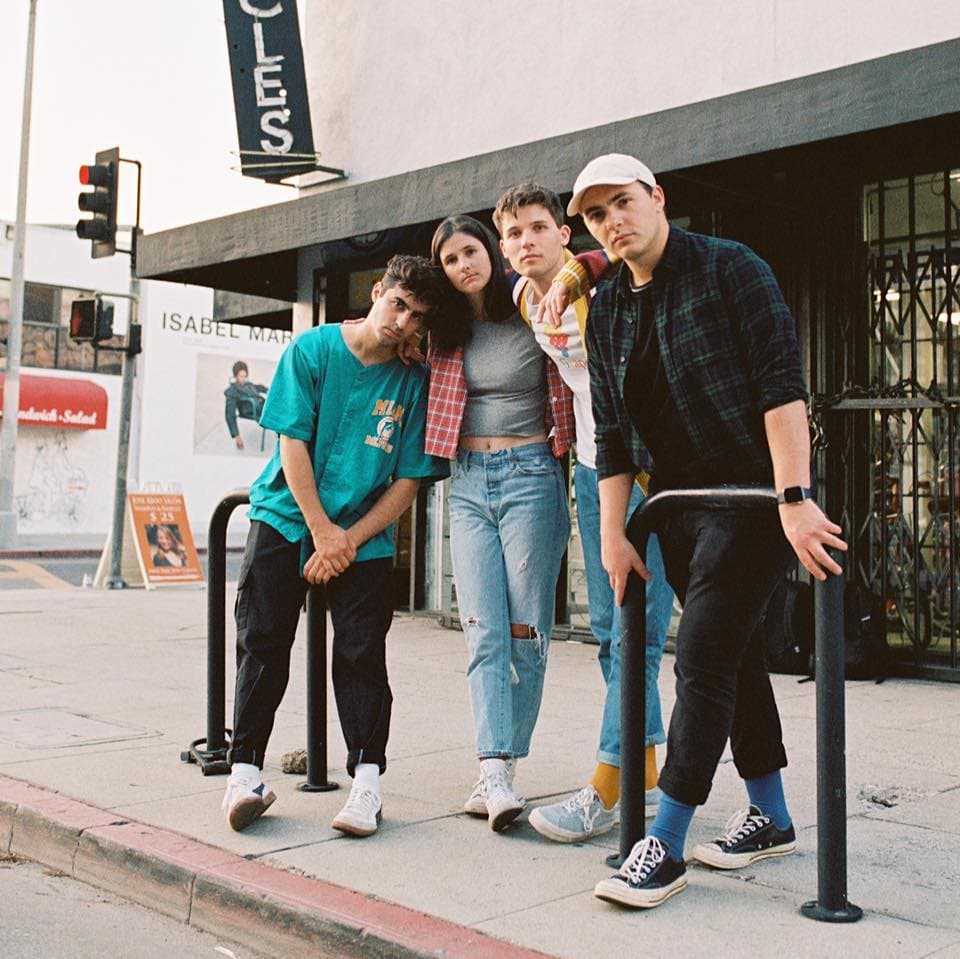
Cassette uses generative AI to enrich its catalog. How we use AI →