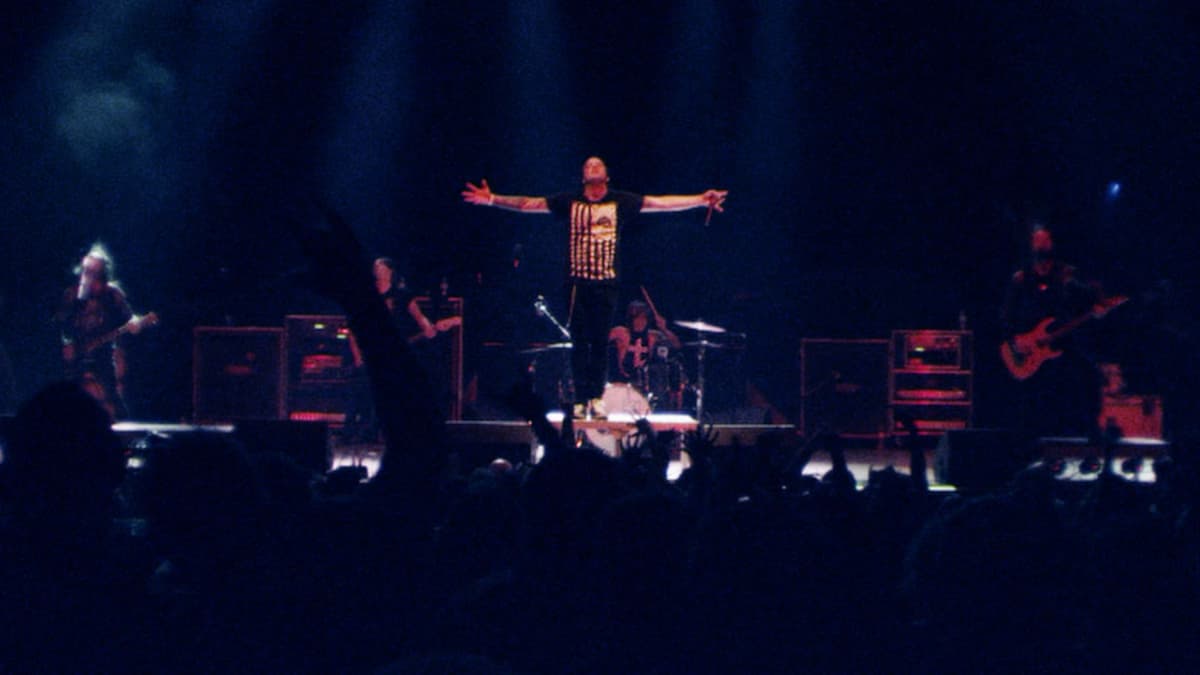
Our Hollow, Our Home was a pivotal fixture in the 2010s British metalcore scene, originating from Southampton. Their sound identity is built on the 'good cop/bad cop' vocal dynamic, a hallmark of the genre, but elevated by a higher-than-average emphasis on melodic lead guitar work and deeply personal, often conceptual lyrical narratives.
Their 2018 album, 'In Moment / / In Memory', solidified their reputation as masters of 'grief-core', dealing explicitly with the loss of a parent. Throughout their career, they maintained an independent spirit while achieving significant streaming success and touring alongside genre giants. Despite a major lineup shift in 2023 and their eventual disbandment in 2024, their final release 'Hope & Hell' served as a definitive closing chapter. They are frequently cited alongside peers like Architects and Bury Tomorrow for their ability to balance technical metal proficiency with accessible, anthemic songwriting. Their influence persists in the way they bridged the gap between the raw intensity of post-hardcore and the polished production of modern metal.


Shares rapid-fire double kick drums, explosive_bursts, post-hardcore, thunderstorm (detail)
Shares grief, mournful, explosive_bursts, post-hardcore (signature)
Shares explosive_bursts, post-hardcore, thunderstorm, alternative metal (signature)
Shares soaring anthemic choruses, explosive_bursts, post-hardcore, thunderstorm (detail)
Shares staccato breakdown patterns, post-hardcore, alternative metal, raw (detail)
Shares post-hardcore, thunderstorm, alternative metal, cathartic (subgenre)
Shares staccato breakdown patterns, soaring anthemic choruses, explosive_bursts, post-hardcore (detail)
Shares post-hardcore, thunderstorm, alternative metal, cathartic (subgenre)
Shares post-hardcore, thunderstorm, alternative metal, raw (subgenre)
Cassette uses generative AI to enrich its catalog. How we use AI →