Ours
Elegant French pop that feels like a warm afternoon in a quiet cafe. Intimate, breathy vocals paired with melodic acoustic arrangements and gentle modern textures.
Elegant French pop that feels like a warm afternoon in a quiet cafe. Intimate, breathy vocals paired with melodic acoustic arrangements and gentle modern textures.
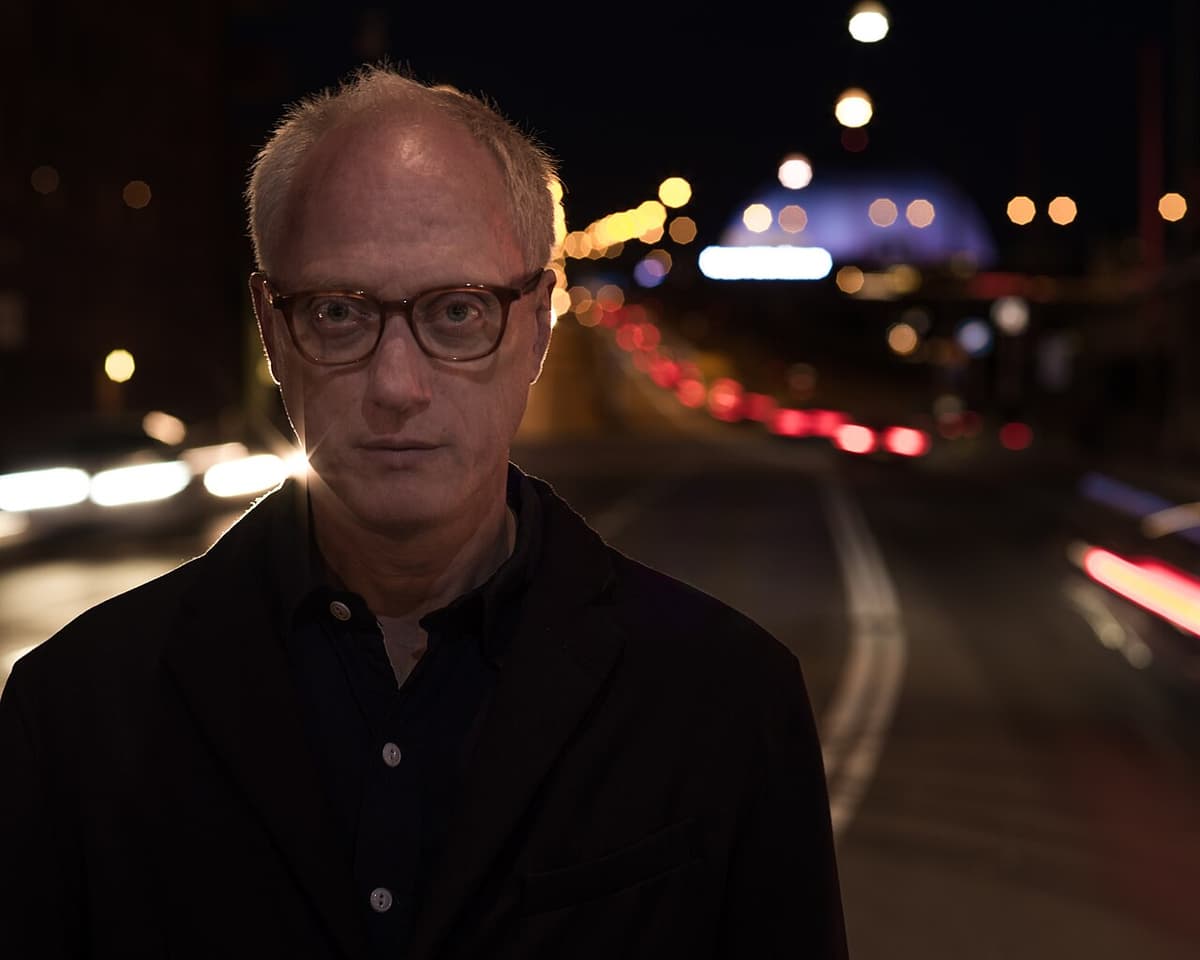
Charles Souchon, performing under the moniker Ours, is a central figure in the modern French pop landscape. Born into a prestigious musical lineage as the son of Alain Souchon, he has successfully carved out a distinct identity that respects the 'chanson française' tradition while embracing indie-pop aesthetics.
His sound is defined by a gentle, breathy vocal style and a focus on melodic accessibility. Since his debut 'Mi' in 2007, his career has been marked by high-profile collaborations, most notably his 2009 duet with Lily Allen on the French version of '22,' which significantly expanded his international visibility. Critically, he is praised for his lyrical sensitivity and his ability to modernize the singer-songwriter format with subtle electronic textures and sophisticated pop arrangements. His work often explores themes of intimacy, nostalgia, and the nuances of daily life, positioning him as a contemporary peer to artists like Vincent Delerm or Benjamin Biolay. His discography shows a steady evolution from stripped-back acoustic beginnings toward more lush, layered productions in later albums like 'Pops' and 'Mitsouko.'
Shares indie pop, chamber pop, soft rock (subgenres); studio_polished, analog_warmth, orchestral_arrangement (production style)

Shares studio_polished, analog_warmth, orchestral_arrangement (production style); indie pop, chamber pop (subgenres)
Shares indie pop, chamber pop, soft rock (subgenres); analog_warmth, studio_polished, orchestral_arrangement (production style)

Shares indie pop, chamber pop (subgenres); studio_polished, analog_warmth, orchestral_arrangement (production style)
Shares indie pop, chamber pop (subgenres); wistful, playful, tender (moods)
Shares studio_polished, analog_warmth, orchestral_arrangement (production style); indie pop, chamber pop, soft rock (subgenres)
Cassette uses generative AI to enrich its catalog. How we use AI →