Paul Evans captures the quintessential sound of the late 1950s transition from rock and roll to polished pop. His music is characterized by a sunny, approachable disposition, often featuring the lush backing vocals of groups like The Curls and a rhythmic bounce that feels both nostalgic and timeless. Whether he is leaning into folk-inspired hootenanny vibes or the clean-cut energy of teen pop, his voice remains a steady, comforting presence.
What truly distinguishes Evans is his penchant for narrative-driven novelty and high-concept songwriting. He doesn't just sing about love; he sings about seven little girls in a back seat or the eerie, morbid reality of a telephone answering machine message. This willingness to embrace the unusual or the slightly dark within a framework of perfect pop production gives his discography a depth that many of his contemporaries lacked.
Start with 'Seven Little Girls (Sitting in the Back Seat)' to understand his chart-topping appeal, then move to 'Hello, This Is Joanie' to hear his later, more experimental country-pop storytelling. For a deeper dive into his versatility, explore his folk recordings from the early 60s which showcase a more stripped-back, earnest side of his artistry.
Paul Evans (born March 5, 1938) is an American rock and roll singer and songwriter, who was most prominent in the 1950s and 1960s. As a performer, he had hits with the songs "Seven Little Girls Sitting in the Backseat" (his biggest hit, recorded with The Curls, reaching No. 9 on the Billboard Hot 100 in 1959), "Midnight Special," and "Happy-Go-Lucky Me". Although known primarily for rock and roll, Evans also composed and performed folk music, especially during the Hootenanny era. In a June 1963 interview in New York City on the Folk Music Worldwide radio show, Evans was introduced as "a popular folk singer and also a popular record star in the non-folk area." Evans had a sizeable hit in the UK and Australia in 1978–79 with the morbid country song "Hello, This Is Joanie" (as it was titled on the New Zealand pressing released by Polydor Records) or, as it was known on a Spring Records release, "Hello, This is Joannie (The Telephone Answering Machine Song)". In a 2004 interview Evans revealed that the voice of Joannie was provided by country artist Lea Jane Berinati. Evans also had minor hits with "After the Hurricane" which hit No.2 on April 8, 1961 on Vancouver's CFUN chart, and "Feelin' No Pain" which hit No.23 on Canadian CHUM charts.
Shares traditional pop, rockabilly, country pop (subgenres); analog warmth, studio polished (production style)
Shares playful, wistful, nostalgic (moods); analog warmth, studio polished, dry intimate (production style)
Shares studio polished, analog warmth, orchestral arrangement (production style); playful, joyful, nostalgic (moods)
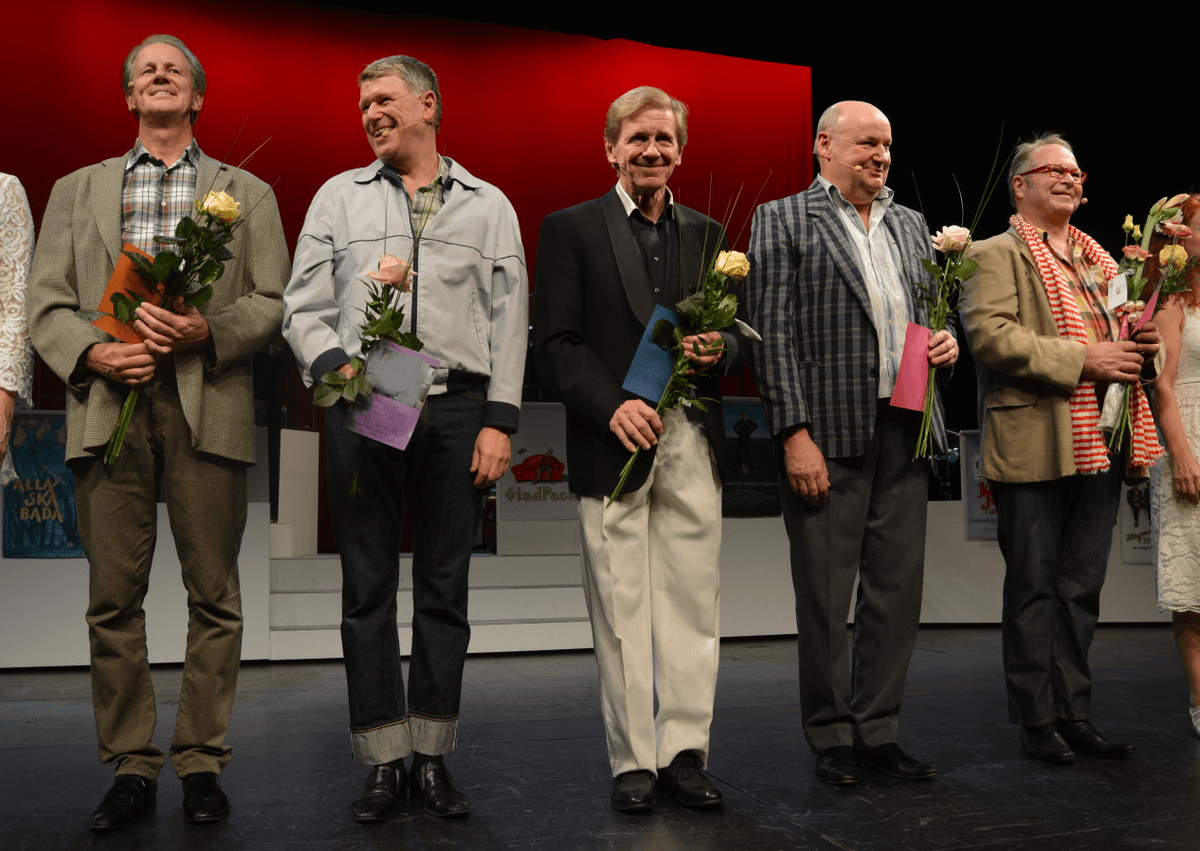
Shares playful, nostalgic, joyful (moods); analog warmth, studio polished, orchestral arrangement (production style)
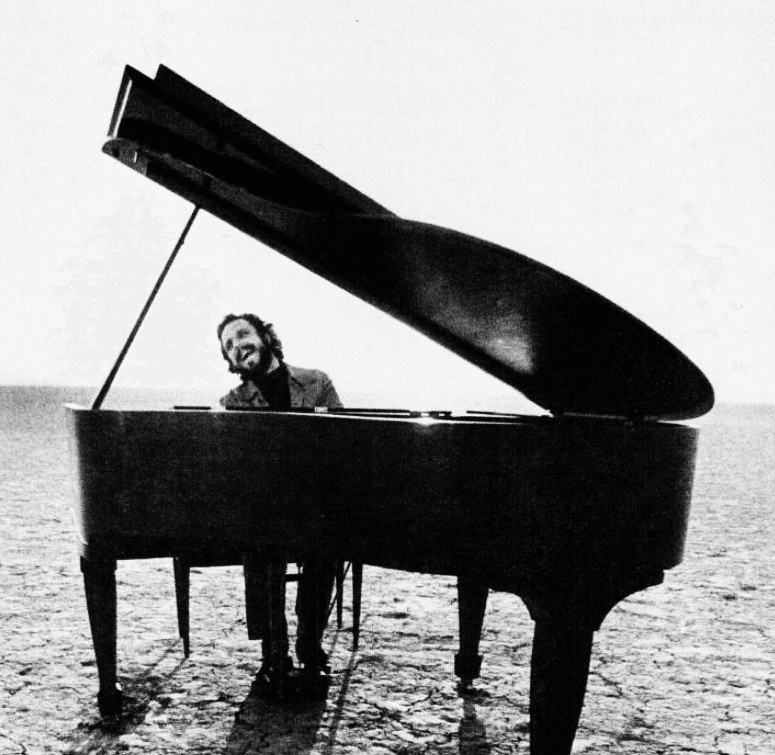
Shares traditional pop, rockabilly, country pop (subgenres); analog warmth, studio polished, orchestral arrangement (production style)
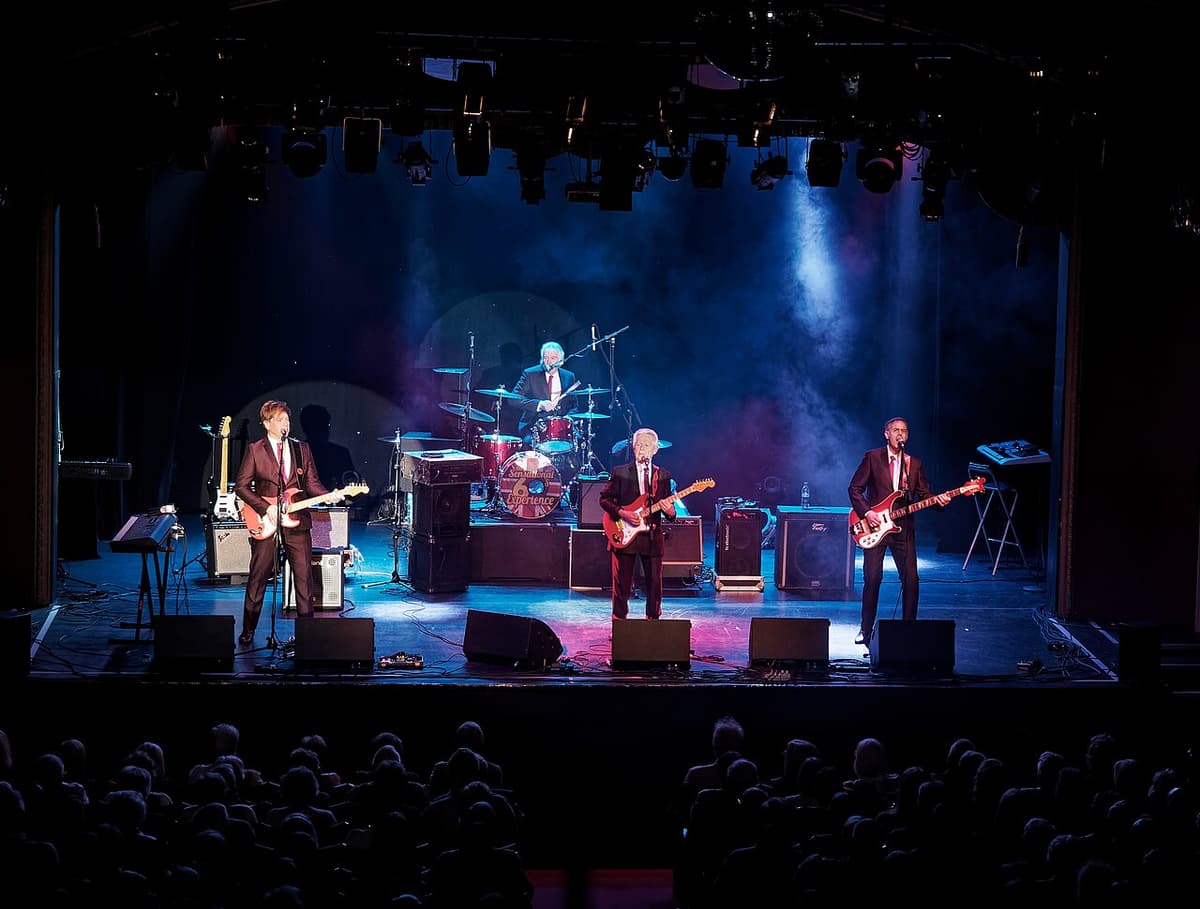
Shares analog warmth, studio polished, dry intimate (production style); crooning, baritone, harmonized (vocal style)
Shares analog warmth, studio polished, orchestral arrangement (production style); crooning, baritone, harmonized (vocal style)
Shares playful, wistful, nostalgic (moods); crooning, baritone, harmonized (vocal style)


Shares studio polished, analog warmth, orchestral arrangement (production style); traditional pop, rockabilly (subgenres)
Shares rockabilly, traditional pop, dry intimate, harmonized (subgenre)
Cassette uses generative AI to enrich its catalog. How we use AI →