Red Temple Spirits sound like the intersection of a dark forest and a psychedelic dream. Their music is built on a foundation of tribal, driving post-punk rhythms, but it is draped in layers of shimmering, echo-laden guitar work that feels more like a liquid texture than a traditional melody. The atmosphere is consistently thick, murky, and deeply immersive, evoking the feeling of a ritual being performed in a space where the walls between worlds have grown thin.
What truly sets them apart is the shamanistic delivery of vocalist William Faircloth. His voice possesses a unique, tremulous quality that feels both ancient and vulnerable, moving between melodic crooning and haunting, chant-like incantations. Unlike the aggressive edge of many of their deathrock contemporaries, the Spirits lean into a lysergic, mystical aesthetic, incorporating flutes, bells, and natural field recordings to ground their gothic rock in something elemental and spiritual.
To experience their magic, start with their 1988 debut, Dancing to Restore an Eclipsed Moon. It perfectly captures their ability to blend the driving energy of the Los Angeles underground with a sprawling, cinematic sense of mystery. It is the ideal soundtrack for moments of deep solitude or when you want music that feels less like a collection of songs and more like a sacred space you can inhabit.
Red Temple Spirits were an American post-punk band from Los Angeles, California, formed in 1987.

Shares reverb heavy, layered dense, analog warmth (production style); post-punk, art rock (subgenres)
Shares post-punk, psychedelic rock, art rock (subgenres); reverb heavy, layered dense, analog warmth (production style)
Shares reverb heavy, layered dense, analog warmth (production style); mysterious, contemplative, haunting (moods)
Shares psychedelic rock, art rock (subgenres); reverb heavy, layered dense, analog warmth (production style)
Shares mysterious, haunting, contemplative (moods); reverb heavy, layered dense, analog warmth (production style)
Shares reverb heavy, layered dense, analog warmth (production style); mysterious, haunting, contemplative (moods)
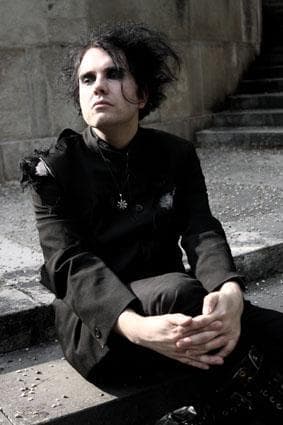
Shares post-punk, psychedelic rock, art rock (subgenres); reverb heavy, layered dense, analog warmth (production style)
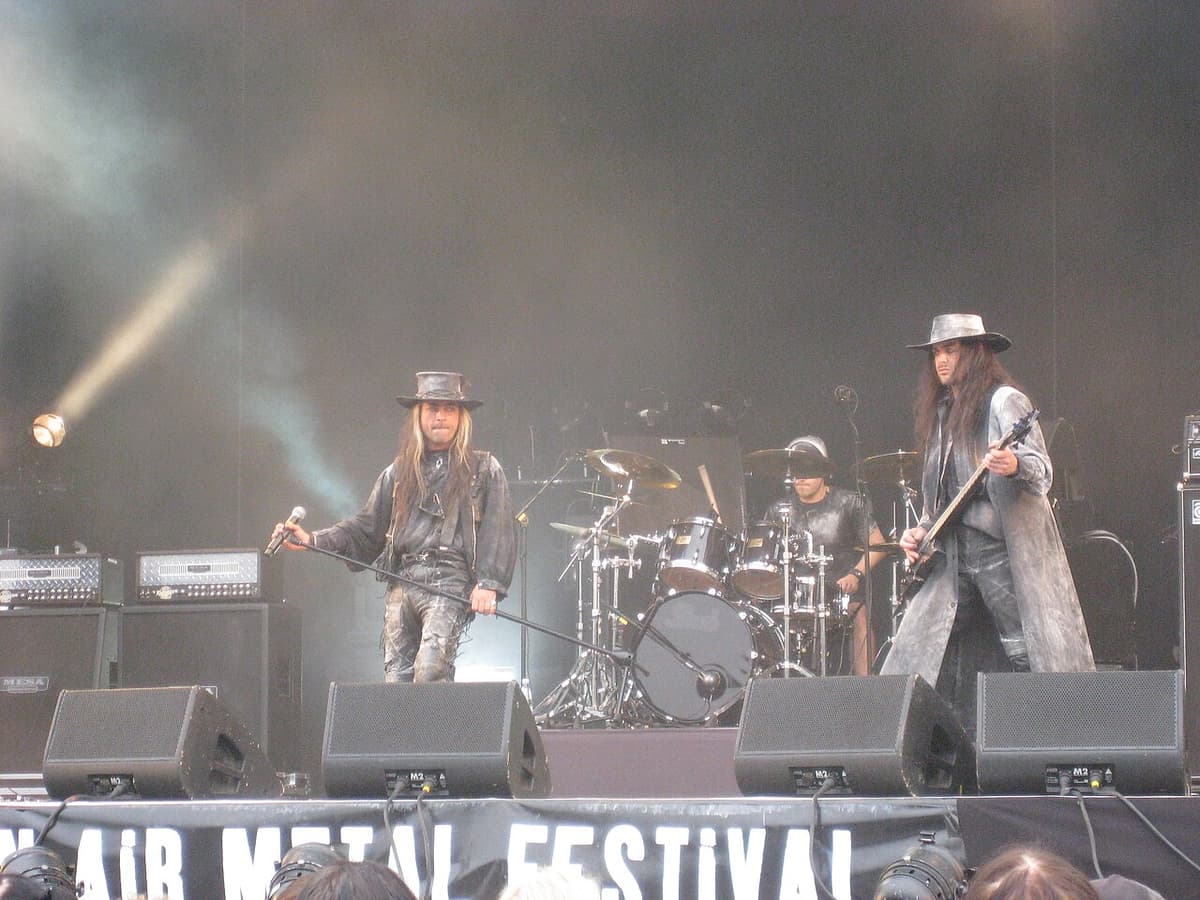
Shares post-punk, psychedelic rock, art rock (subgenres); reverb heavy, layered dense, analog warmth (production style)
Shares mysterious, haunting, brooding (moods); reverb heavy, layered dense, analog warmth (production style)
Shares post-punk, psychedelic rock, art rock (subgenres); mysterious, contemplative, brooding (moods)
Shares post-punk, chanting, psychedelic rock, forest (subgenre)
Shares post-punk, cathedral, haunting, art rock (subgenre)
Cassette uses generative AI to enrich its catalog. How we use AI →