Rowwen Hèze
Limburgish dialect folk that hits like a shot of jenever. Rowdy accordion-led polka energy meets poetic, small-town storytelling for late nights and long Sundays.
Limburgish dialect folk that hits like a shot of jenever. Rowdy accordion-led polka energy meets poetic, small-town storytelling for late nights and long Sundays.
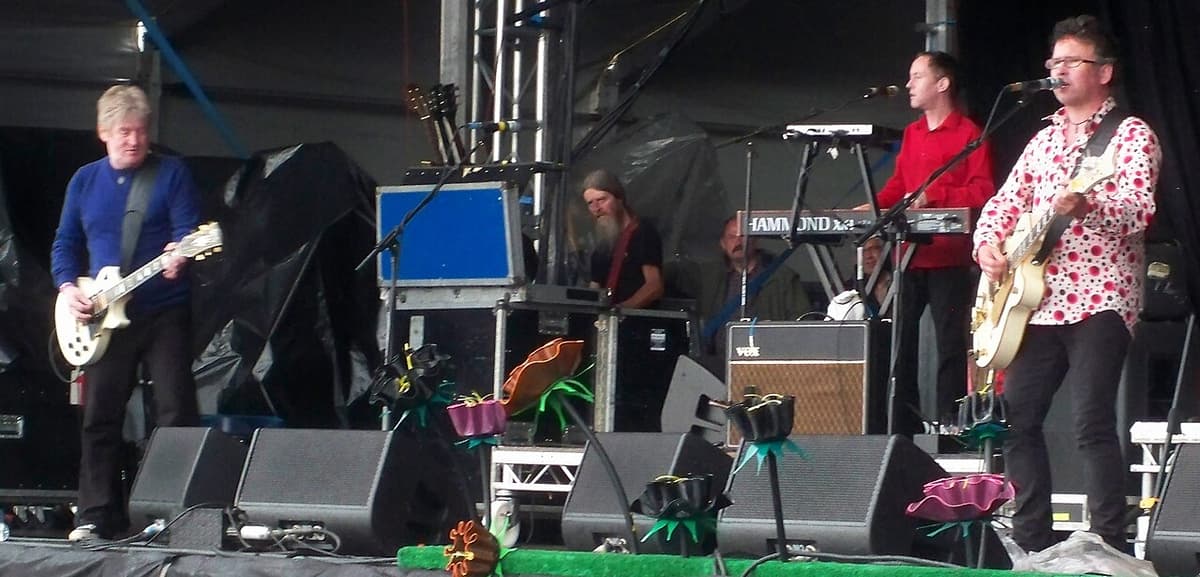
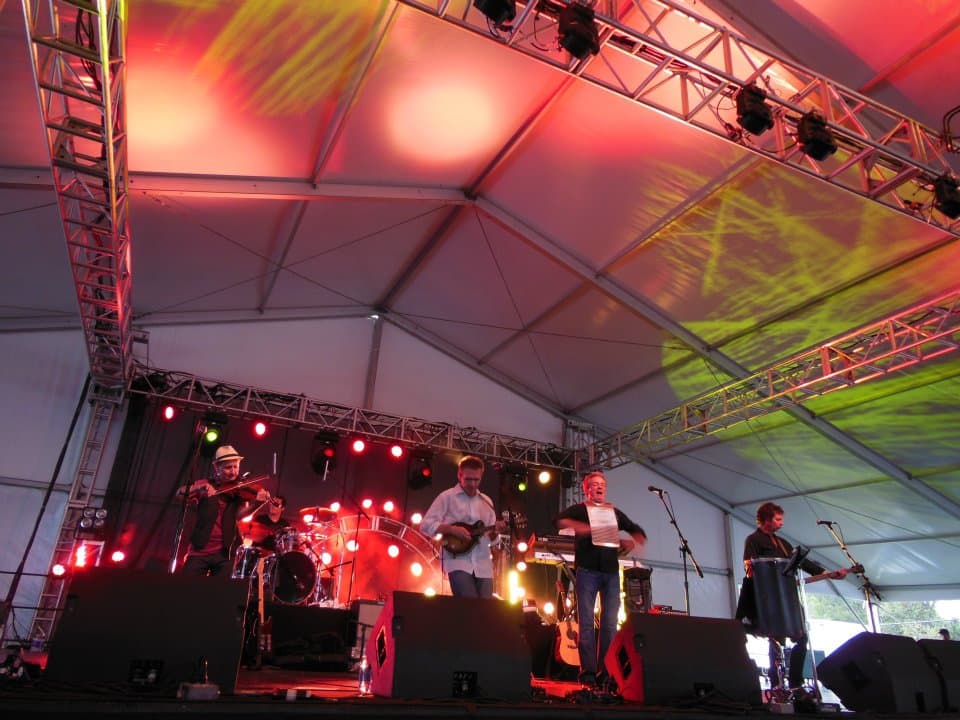
Rowwen Hèze sounds like the intersection of a dusty Texas border town and a rain-slicked Dutch village. It is music built on the wheeze of the accordion, the bright punch of a brass section, and the steady, rhythmic chug of folk-rock. The sound is inherently communal, designed to be heard in spaces where people are gathered, whether that is a muddy festival field or a wood-paneled local pub. There is a specific warmth to their recordings that feels lived-in and unpretentious.
What truly sets them apart is the linguistic and cultural specificity of the Limburgish dialect. While many Dutch bands aim for a polished, national pop sound, Rowwen Hèze leans into the rough edges of their regional identity. They successfully bridge the gap between high-energy 'feest' music (party music) and deeply moving, poetic ballads. Their ability to transition from a rowdy polka that invites a mosh pit to a delicate song about fatherhood or a local funeral is their greatest strength.
New listeners should start with the 1991 album 'Boem' to hear the band at their most iconic and energetic. It contains the essential DNA of their 'Tex-Mex' period. For those seeking the more reflective, mature side of Jack Poels' songwriting, 'Dageraad' offers a beautiful, more atmospheric entry point that highlights their evolution into one of the Netherlands' most respected lyrical acts.
Rowwen Hèze is a band from the small village of America in the province of Limburg, the Netherlands. They are one of the biggest bands singing in Limburgish. The band was founded in 1985.
Cassette uses generative AI to enrich its catalog. How we use AI →