Rubén Blades
Literary salsa that pairs complex social storytelling with explosive brass arrangements. Intellectual, rhythmic, and deeply human music for the thinking dancer.
Literary salsa that pairs complex social storytelling with explosive brass arrangements. Intellectual, rhythmic, and deeply human music for the thinking dancer.
Rubén Blades creates music that functions as both a high-energy dance floor essential and a profound piece of investigative journalism. His sound is defined by the 'Salsa Intelectual' movement, where the aggressive, syncopated heat of New York salsa meets the poetic depth of the Nueva Trova movement. It is music that demands your physical presence through its relentless percussion while simultaneously engaging your intellect with intricate narratives of urban life, politics, and the human condition.
What truly sets Blades apart is his ability to weave cinematic stories into the fabric of a six-minute dance track. He doesn't just sing hooks; he builds characters like Pedro Navaja, using the orchestra to punctuate the drama. His collaboration with Willie Colón redefined the genre, moving away from simple romantic tropes toward a gritty, realistic portrayal of Latin American identity that feels as relevant in a university lecture as it does in a nightclub.
Start with the landmark album Siembra for the definitive blueprint of his sound. It captures the perfect balance of his sociopolitical messaging and the peak of the Fania Records era production. From there, move to Buscando América to hear his more experimental, synth-touched evolution that pushed the boundaries of what Latin music could achieve in the 1980s.
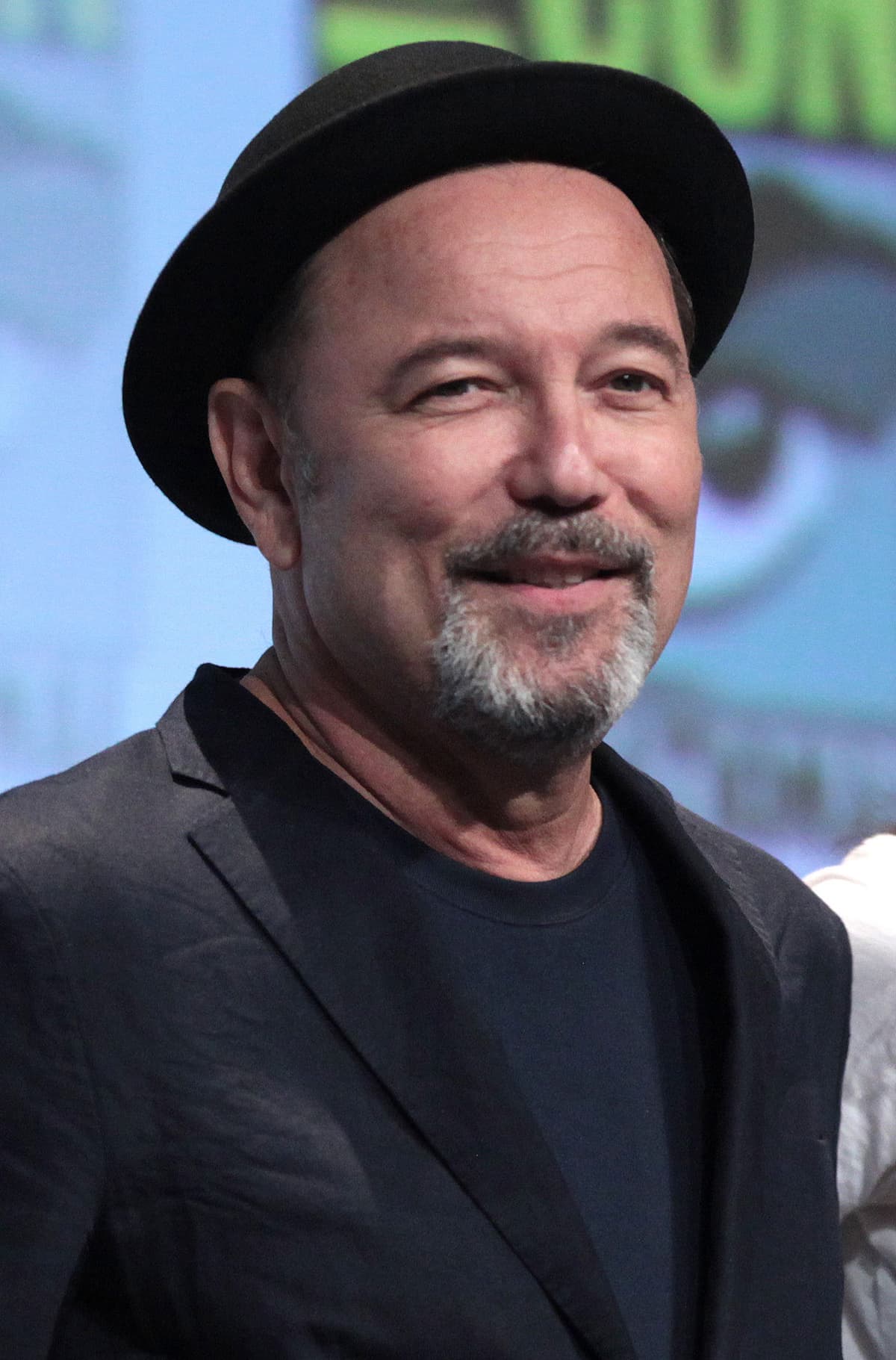
Rubén Blades Bellido de Luna (born 16 July 1948), known professionally as Rubén Blades (Spanish: [ruˈβem ˈblaðes], but [- ˈblei̯ðs] in Panama and within the family), is a Panamanian musician, singer, composer, actor, activist, and politician, performing musically most often in the salsa, and Latin jazz genres. As a songwriter, Blades brought the lyrical sophistication of Central American nueva canción and Cuban nueva trova as well as experimental tempos and politically inspired Son Cubano salsa to his music, creating "thinking persons' (salsa) dance music". Blades has written dozens of hit songs, including "Pedro Navaja" and "El Cantante" (which became Héctor Lavoe's signature song). He has received 21 Grammy Award nominations, winning twelve of them, along with twelve Latin Grammy Awards. His acting career began in 1983, and has continued, sometimes with several-year breaks to focus on other projects. He has prominent roles in films such as Crossover Dreams (1985), The Milagro Beanfield War (1988), The Super (1991), Predator 2 (1990), Color of Night (1994), Safe House (2012), The Counselor (2013) and Hands of Stone (2016), along with three Emmy Award nominations for his performances in The Josephine Baker Story (1991), Crazy from the Heart (1992), and The Maldonado Miracle (2003). He portrayed Daniel Salazar, a main character on the TV series Fear the Walking Dead (2015–2017; 2019–2023). In 1994, Blades managed to attract 17% of the vote in a failed attempt to win the Panamanian presidency. In September 2004, he was appointed minister of tourism by Panamanian president Martín Torrijos for a five-year term. He made his U.S. debut with the Pete Rodriguez orchestra in 1970 on his album De Panamá a New York and among his most successful albums are Rubén Blades y Son del Solar... Live!, Amor y Control, Caminando, Salswing!, Son de Panamá, Tangos, Canciones del Solar de los Aburridos, Buscando América, El Que la Hace la Paga, Escenas, Salsa Big Band, Metiendo Mano! and his famous album Siembra released in 1978. In addition, he has collaborated with different artists such as Usher, Elvis Costello, as a soloist and as a guest Michael Jackson, Luis Miguel, Julio Iglesias, Ricky Martin, Juan Gabriel, Laura Pausini, Shakira, Thalía in the Spanish version of the song "What More Can I Give" written and translated by Blades as "Todo Para Ti". He has also participated in several productions by different Latino artists such as "Almost Like Praying", "Color Esperanza 2020", and "Hoy Es Domingo", among other tracks.
Cassette uses generative AI to enrich its catalog. How we use AI →