Sara Hebe
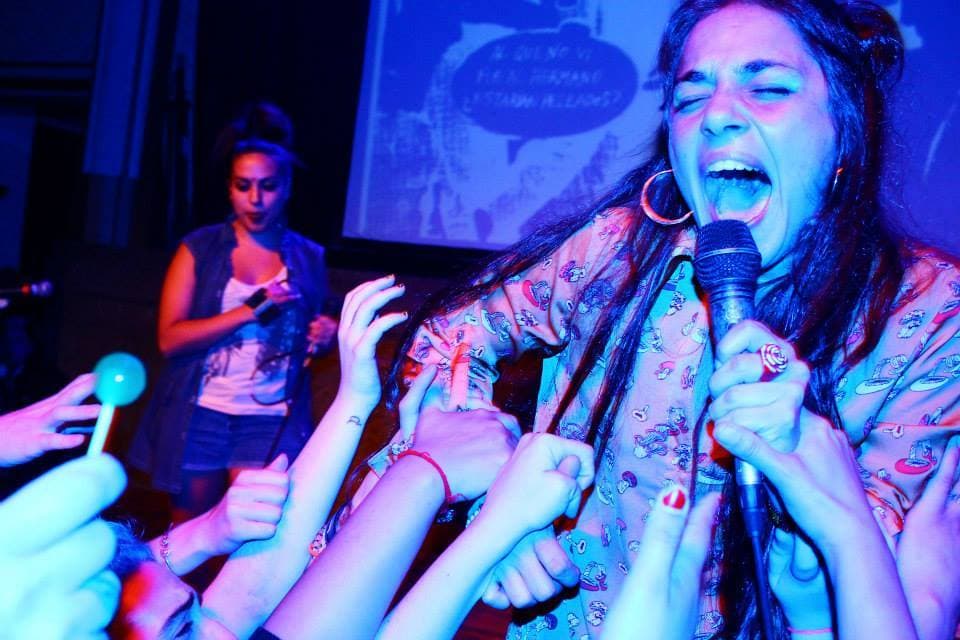
High-octane Argentinian rap fused with gritty cumbia and punk attitude. Intense, political, and built for the front lines of a protest or a sweaty dance floor.
High-octane Argentinian rap fused with gritty cumbia and punk attitude. Intense, political, and built for the front lines of a protest or a sweaty dance floor.
Sara Hebe is a pivotal figure in the Argentinian independent scene, representing a bridge between the militant tradition of Latin American protest music and modern urban genres. Emerging from Trelew and establishing herself in Buenos Aires, her career arc moved from the raw hip-hop of La hija del loco (2009) to a sophisticated, multi-genre assault that incorporates reggaeton, punk, and electronic music.
Her collaboration with producer Ramiro Jota was foundational in creating her signature sound: a gritty, bass-heavy hybrid that prioritizes rhythmic impact and lyrical clarity. Culturally, she is a leading voice in the 'Ni Una Menos' movement and broader transfeminist circles, using her platform to address human rights and social crises. Critically, she is lauded for her ability to maintain underground credibility while achieving significant international reach within Spanish-speaking alternative circuits. Her influence is seen in the rising wave of socially conscious Latin trap and neoperreo artists who prioritize political identity over commercial tropes.
Shares defiant, energetic, rebellious (moods); basement_show, festival, urban_night (atmosphere)
Shares defiant, rebellious, energetic (moods); reggaeton, dancehall, trap (subgenres)
Shares sample_based, drum_machine, noise_textured (production style); basement_show, festival, urban_night (atmosphere)
Shares sample_based, drum_machine, noise_textured (production style); basement_show, festival, urban_night (atmosphere)
Shares defiant, rebellious, energetic (moods); basement_show, festival, urban_night (atmosphere)
Shares defiant, rebellious, energetic (moods); basement_show, festival, urban_night (atmosphere)
Shares reggaeton, cumbia, trap (subgenres); sample_based, drum_machine (production style)
Shares cumbia, dancehall, reggaeton, rebellious (signature)
Cassette uses generative AI to enrich its catalog. How we use AI →