Sea Power
Sweeping, pastoral indie rock that feels like a gale-force wind off the English coast. Anthemic guitars meet mournful viola for a sound both rugged and refined.
Sweeping, pastoral indie rock that feels like a gale-force wind off the English coast. Anthemic guitars meet mournful viola for a sound both rugged and refined.
Sea Power sounds like the intersection of a high-energy post-punk show and a nature documentary. Their music is defined by a massive, reverb-soaked scale that manages to feel both intimately historical and vastly elemental. You can hear the influence of early 80s gloom, but it is filtered through a uniquely British obsession with the landscape, the sea, and the strange corners of national identity.
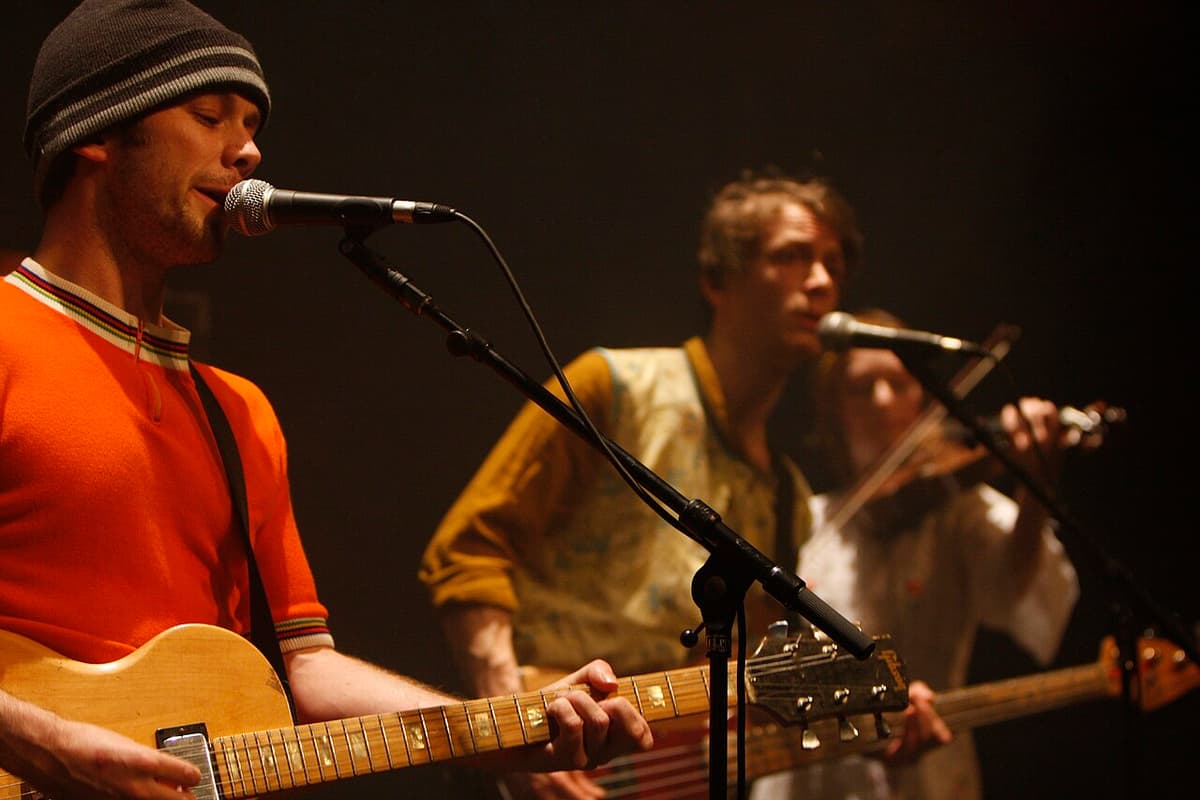
What truly sets them apart is their ability to pivot from jagged, aggressive guitar lines to lush, orchestral beauty. The inclusion of viola and brass gives their arrangements a folk-adjacent weight, while the dual vocals of the Wilkinson brothers provide a grounded, human counterpoint to their more cosmic ambitions. They are masters of the slow-build crescendo, turning songs about migration or geology into fist-pumping anthems.
Start with 'Do You Like Rock Music?' for their most accessible, stadium-sized hooks, or dive into the 'Disco Elysium' soundtrack to experience their incredible range as atmospheric world-builders. Whether they are singing about rare birds or the decline of empire, there is a persistent sense of wonder and intellectual curiosity that makes every track feel like a small discovery.
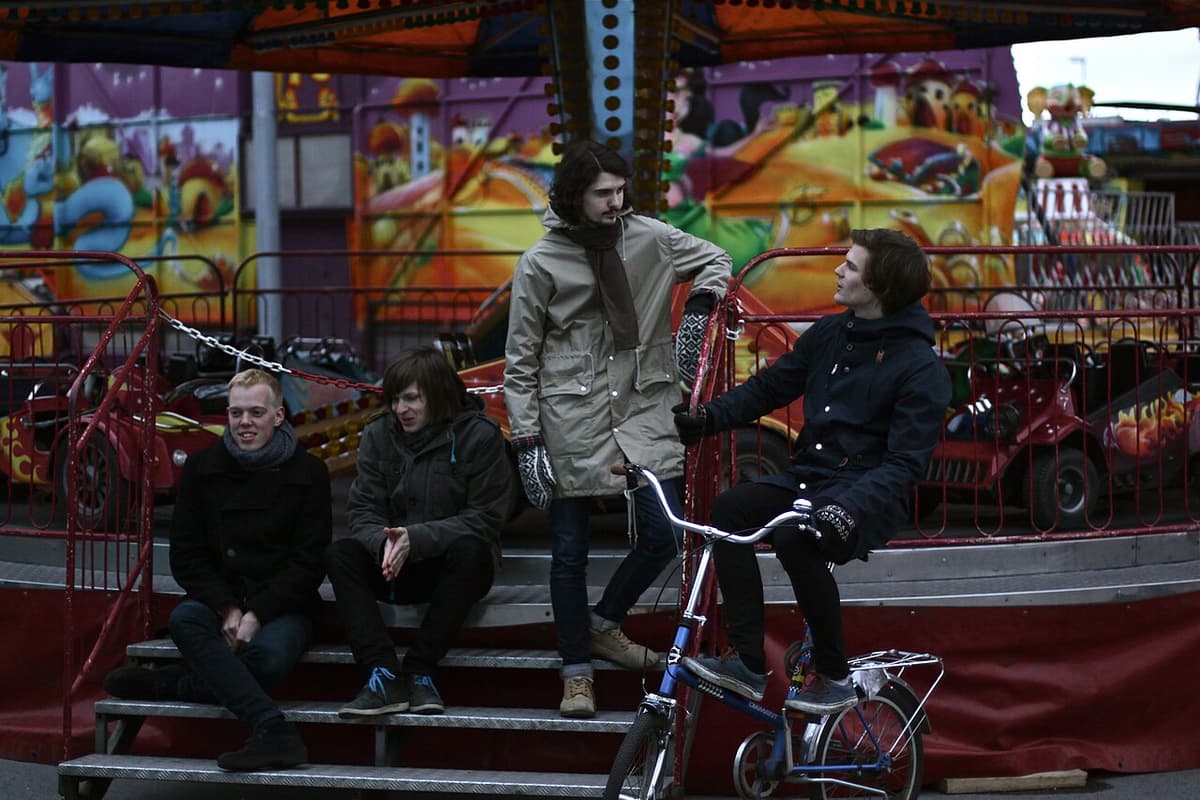
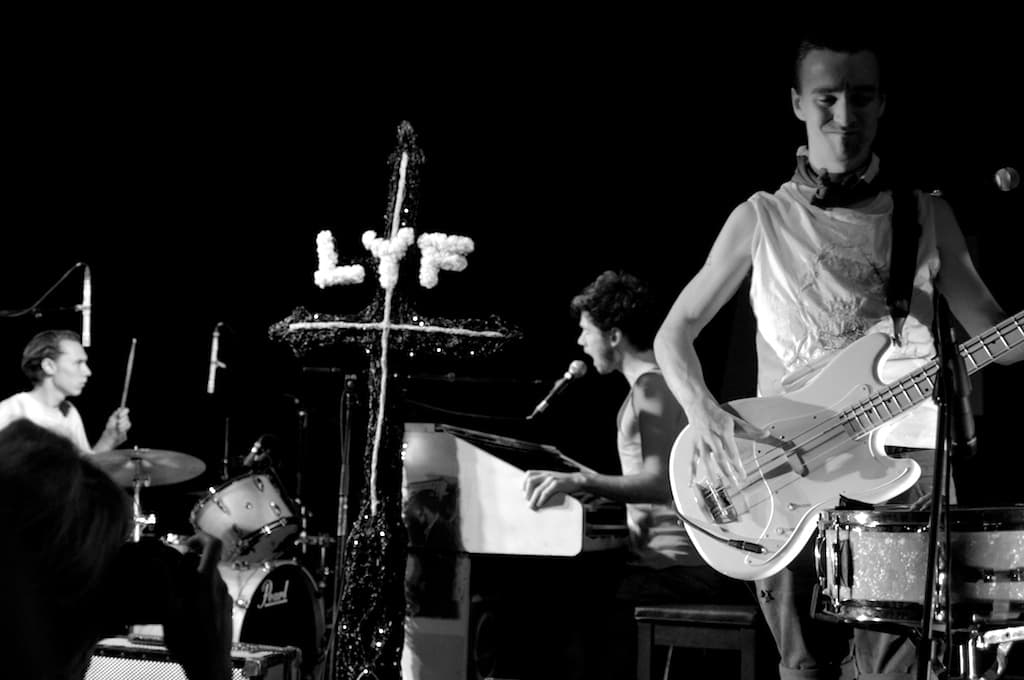
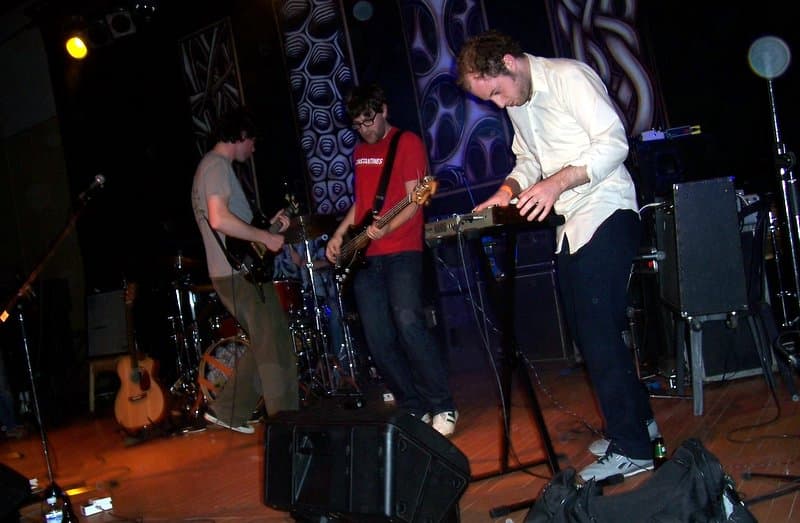
Sea Power, previously known as British Sea Power and initially as British Air Powers, are an English alternative rock band. The group's original lineup consisted of Jan Scott Wilkinson, known as Yan; Martin Noble, known as Noble; and Alison Cotton. By the time the band had begun its recording career, Cotton had departed, and two new members had joined: Neil Hamilton Wilkinson, known as Hamilton, and Matthew Wood, known as Woody. Eamon Hamilton joined the band in autumn 2002. He left in 2006 and was replaced by Phil Sumner, with Abi Fry joining the band in 2008. The wide-ranging nature of the band's material has led critics to liken their sound to a variety of groups, from The Cure and Joy Division to Pixies and Arcade Fire.
Shares indie rock, post-rock, art rock (subgenres); orchestral arrangement, dynamic range (production style)
Shares indie rock, post-rock, art rock (subgenres); reverb heavy, orchestral arrangement, dynamic range (production style)
Shares indie rock, post-rock, art rock (subgenres); orchestral arrangement, wall of sound, dynamic range (production style)
Shares triumphant, defiant, nostalgic (moods); baritone, harmonized, intense (vocal style)
Shares indie rock, post-rock, chamber pop (subgenres); reverb heavy, orchestral arrangement, dynamic range (production style)
Shares indie rock, post-rock, art rock (subgenres); reverb heavy, dynamic range (production style)
Shares indie rock, art rock, chamber pop (subgenres); reverb heavy, orchestral arrangement, wall of sound (production style)
Shares post-rock, dynamic range, art rock, chamber pop (subgenre)
Cassette uses generative AI to enrich its catalog. How we use AI →