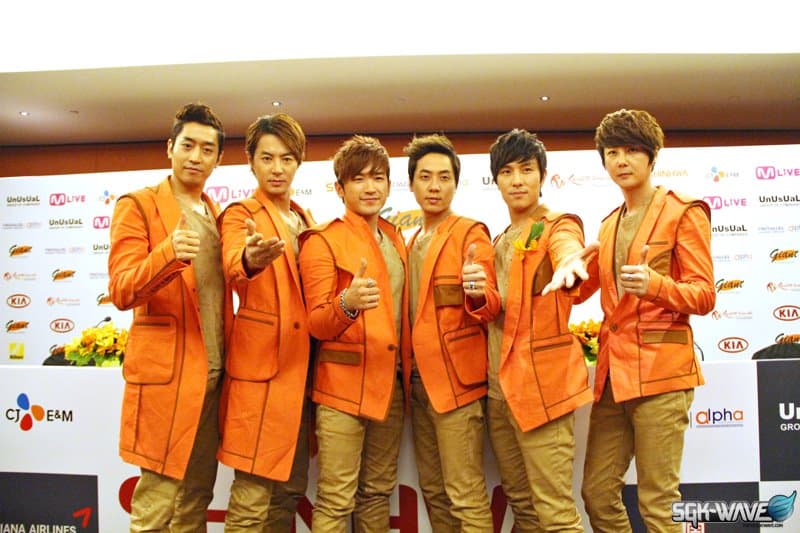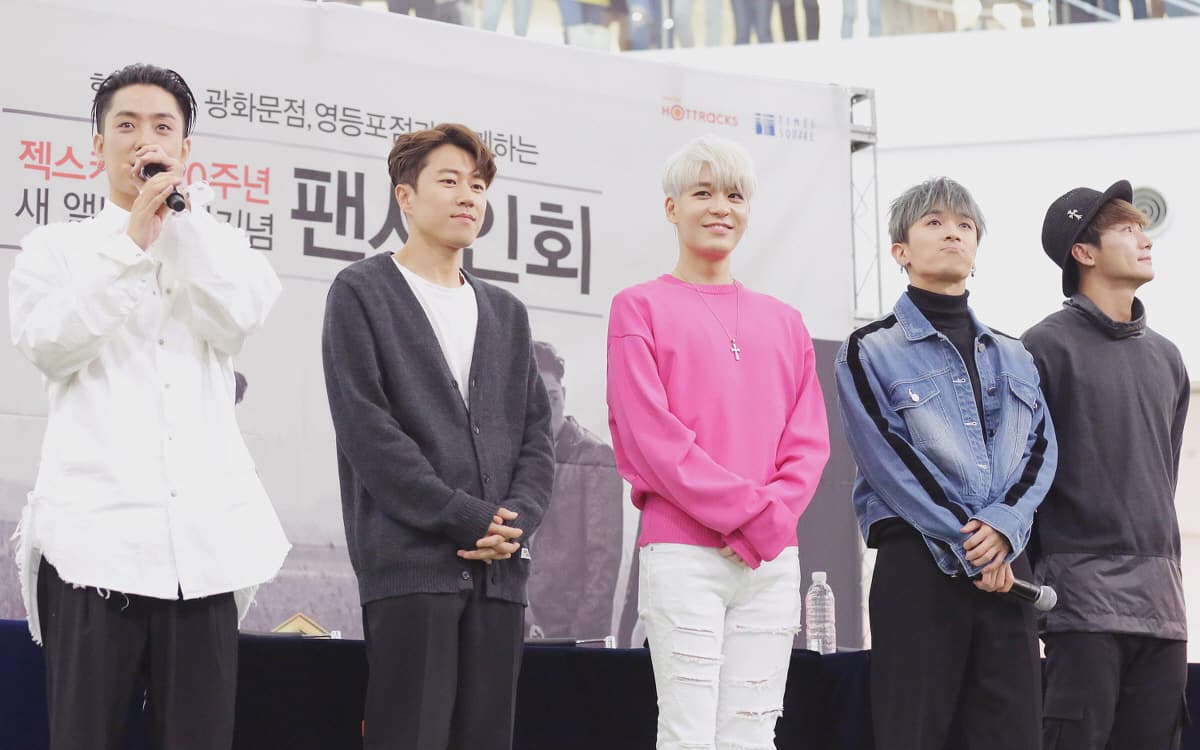
SECHSKIES
High-energy 90s K-pop pioneers meeting modern production. Sweeping ballads and sharp dance-pop for those who remember the first wave of the idol era.
High-energy 90s K-pop pioneers meeting modern production. Sweeping ballads and sharp dance-pop for those who remember the first wave of the idol era.
T. Their early sound was characterized by a blend of hip-hop, techno, and pop, often featuring socially conscious lyrics or high-drama romantic themes.
Despite a brief three-year initial run, they established the blueprint for idol fandom culture in South Korea. Their 2000 disbandment was a watershed moment in the industry, leading to a sixteen-year hiatus that ended with a historic reunion on the variety show Infinite Challenge in 2016. This second act, supported by YG Entertainment, saw the group transition into a 'legacy act' that successfully integrated modern EDM and R&B production into their repertoire. Critically, they are respected for maintaining vocal chemistry and stage presence well into their 40s, bridging the gap between the analog 90s and the digital global K-pop era. Their influence is seen in the structured roles of modern boy groups and the enduring power of nostalgia-driven marketing in the Korean music market.
Shares dance-pop, contemporary r&b (subgenres); studio_polished, maximalist, digital_clarity (production style)
Shares dance-pop, contemporary r&b (subgenres); harmonized, rap, belting (vocal style)
Shares dance-pop, contemporary r&b (subgenres); studio_polished, maximalist, digital_clarity (production style)

Shares dance-pop, contemporary r&b (subgenres); studio_polished, maximalist, digital_clarity (production style)
Shares dance-pop, contemporary r&b (subgenres); studio_polished, maximalist, orchestral_arrangement (production style)
Cassette uses generative AI to enrich its catalog. How we use AI →