Sirius is a seminal Portuguese symphonic black metal band that emerged in the mid-1990s, eventually becoming one of the most respected names in the genre's second wave outside of Scandinavia. Their sound identity is defined by a 'cosmic' approach to black metal, prioritizing interstellar themes and high-fidelity orchestral synthesizers over the lo-fi, necro aesthetics of their contemporaries.
Their career peak occurred around the turn of the millennium with the release of 'Aeons of Magick' (2000) and 'Spectral Transition: Dimension Sirius' (2001), albums that showcased a sophisticated blend of technical proficiency and theatrical atmosphere. Critically, they are often compared to Emperor or Dimmu Borgir, but with a specific focus on astral and science-fiction elements rather than gothic horror. They were a key part of the Portuguese extreme metal scene, proving that the Mediterranean region could produce symphonic metal with the same cold, precise intensity as the North. Their influence persists among 'space-themed' black metal acts who value clean production and complex synth-work.


Shares symphonic black metal, melodic death metal, black metal, choir/choral (signature)
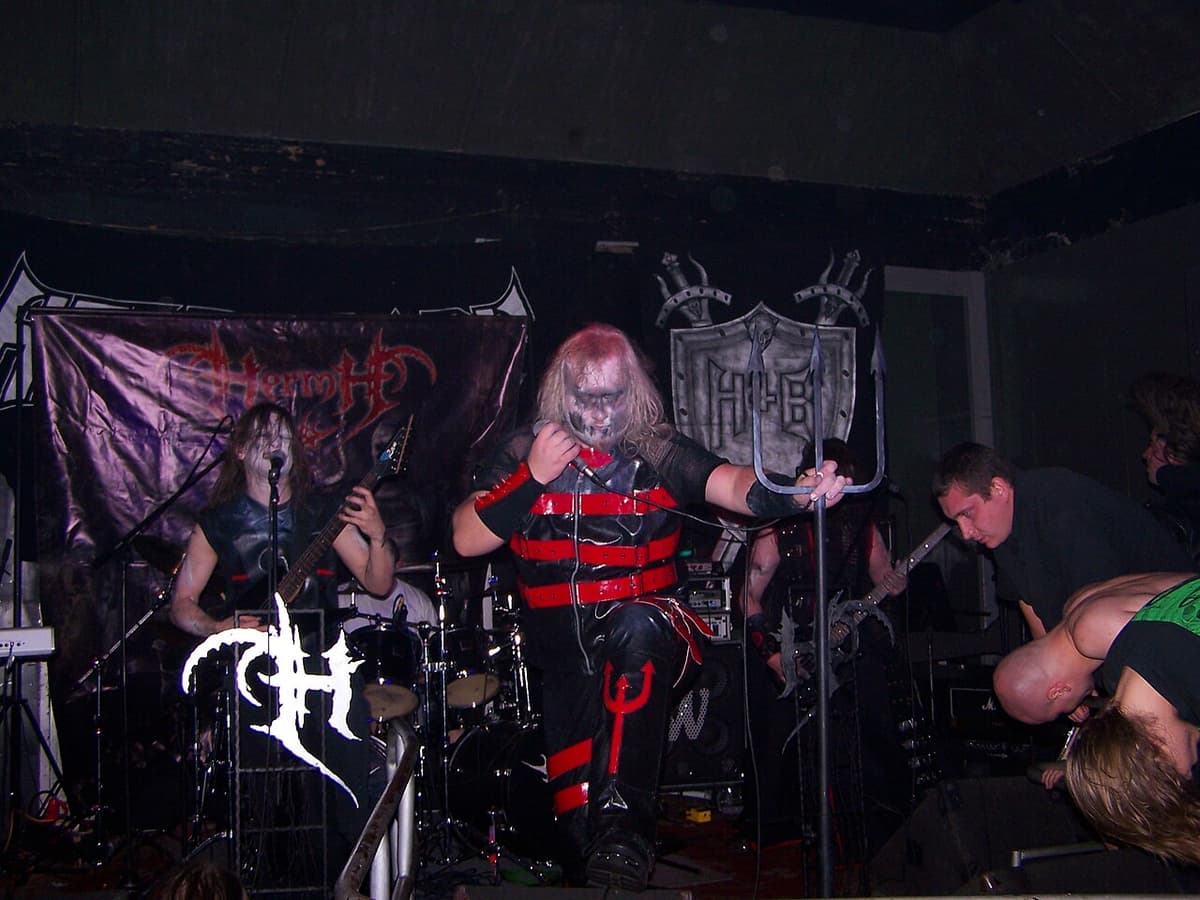
Shares melodic death metal, keys/synth, black metal, cathedral (subgenre)
Shares symphonic black metal, keys/synth, black metal, choir/choral (signature)
Shares symphonic black metal, melodic death metal, black metal, cathedral (signature)
Shares symphonic black metal, keys/synth, black metal, choir/choral (signature)
Shares symphonic black metal, keys/synth, black metal, choir/choral (signature)
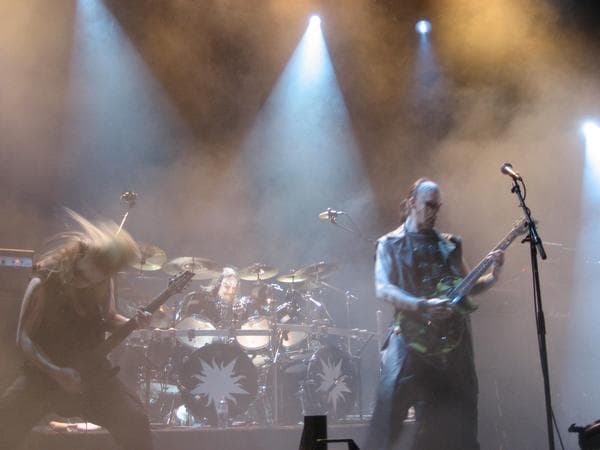
Shares symphonic black metal, hyper-speed blast beats, melodic death metal, black metal (signature)
Shares melodic death metal, black metal, forest, midnight (subgenre)
Cassette uses generative AI to enrich its catalog. How we use AI →